English
Ember Doors is an adult-oriented roguelike card game that blends tactical deck-building runs with character-driven encounters and a sandbox playground for creative interactions. Ember Doors presents mature themes and customizable scenes alongside strategic card mechanics, inviting players who want a mix of repeatable challenge and a hands-on mode to compose and refine character sequences. The title balances procedural progression with a library of characters and scene templates that expand over time.
At its core, Ember Doors uses card-based encounters to structure each roguelike run: players assemble a deck, navigate branching nodes on a map, and face a variety of tactical situations that demand resource management and adaptability. Runs are designed to be unpredictable, with encounter modifiers, item discoveries, and event cards that change the flow of play. Combat and interaction encounters both rely on card choices, where timing, synergies, and deck construction determine success. The design emphasizes short to medium-length sessions with meaningful decisions that affect each run’s outcome.
Controls are optimized for touch devices and traditional input, offering intuitive drag-and-drop card play, simple tap interactions, and contextual menus for quick access to abilities and status. For players interested in more direct creative control, Ember Doors includes a Manual Mode that gives hands-on control over animation sequences and scene pacing. Manual Mode is presented as an editing and presentation tool rather than scripted content, letting users adjust timing, camera angles, and motion parameters for scenes within the sandbox environment while keeping interactions non-explicit and configurable.
Progression in Ember Doors combines run-based rewards with long-term unlocks. Successful runs yield resources that can be spent to unlock new cards, enhance abilities, and expand the roster of characters available in both roguelike and sandbox modes. The game features meta-progression elements that reward repeated play without making single runs obsolete; veteran players unlock deeper customization options, while newcomers can experiment with different archetypes and strategies. Difficulty settings and optional modifiers are available for players seeking a steeper challenge or a more relaxed experience.
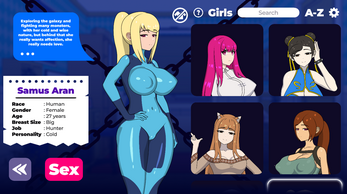
The sandbox mode is a creative space where players can arrange characters, environments, and predefined interaction templates to build unique scenes. Ember Doors launches with a curated roster of characters and a library of mature-themed scene templates, with plans to expand that library through updates. Customization covers visual appearance, props, ambient settings, and non-explicit interaction variables, so creators can craft moods and scenarios without relying on graphic descriptions. Scene presets and saveable templates make it easy to iterate and share setups locally.
Visually, Ember Doors blends stylized character art with responsive real-time systems that handle motion and environmental responses. The engine supports adjustable physics and animation smoothing so scene creators can fine-tune how elements move and respond. Lighting presets, background variations, and camera controls help define the look of each run or scene. The aesthetic aims for clarity and character-focused presentation, prioritizing readable interfaces during card play and cinematic framing in sandbox mode.
Replayability comes from the combination of procedural roguelike design, deck-building depth, and a growing scene library. Each run feels fresh thanks to randomized encounters and modifiable deck composition, while the sandbox provides a second loop for players who enjoy creation and experimentation. The developers plan steady content updates to add new characters, scene templates, cards, and encounter types, expanding both gameplay variety and customization options over time.
Ember Doors includes accessibility options such as adjustable text sizes, clear color contrasts, and simplified control layouts to make the experience approachable for a broad audience. Menus and tutorials guide new players through deck-building basics and sandbox tools, while advanced tooltips support deeper strategy and creative workflows. The game is designed to be played offline without mandatory online connectivity; local save features and exportable scene templates ensure that users can enjoy single-player content and creative tools without relying on persistent internet access.
The game is intended for mature players and includes content controls to respect personal preferences. Challenge systems range from casual runs focused on story and character encounters to optional higher-difficulty runs that introduce tougher foes and tighter resource constraints. Ember Doors aims to offer a balance of tactical gameplay and creative freedom, appealing to players who enjoy deck-building strategy and those who value a sandbox for expressive, non-explicit scene composition.
Ember Doors
Size:163.04M CasualHidden Village of Temptation
Size:74.59M CasualKincaid fan build Mobile
Size:112.77M CasualAcademy
Size:40.69M CasualJurassic Clash
Size:64.70M CasualSilent Steps of Transformation
Size:431.90M CasualShort Life
Size:38.70M CasualLust Hunter: Female edition NEW UPDATE
Size:56.40M CasualFurry Heat Nights
Size:405.00M CasualLust Hunter: portable edition 0.130.2
Size:56.40M CasualSunfish City - a trait swap game v0.30.2
Size:138.19M CasualThe Boiled One
Size:17.60M CasualApril 2024 Clash of Clans Update: Unveiling a Fresh Companion, Enhanced Levels, Chat Tagging, and Be
2024-04-16Arrival of Genshin Impact 4.6 Update: 'Embers of Two Realms, Twilight of Crimson'
2024-04-16V2.2 of the Farlight 84 update introduces an overhauled Season structure, fresh in-game currency, an
2024-04-16Monster Never Cry is now accessible on both Android and iOS mobile devices.
2024-04-18PUBG Mobile Teams Up with Bentley Motors: Luxury Cars, Exclusive Collectibles, and Beyond
2024-04-18March 2024 Free Redemption Codes for Honkai: Star Rail
2024-04-18