English
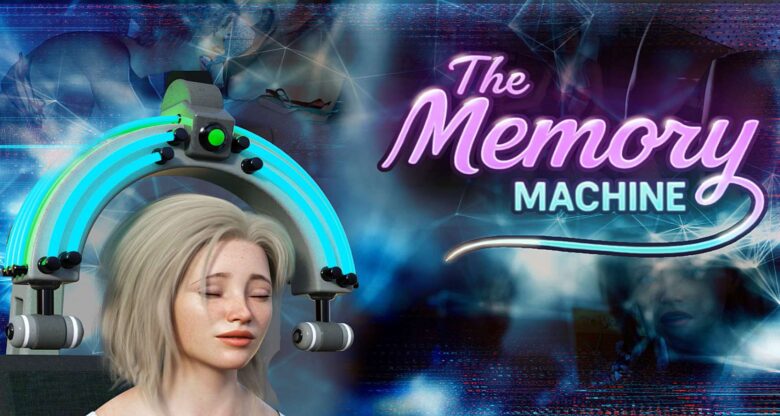
The Memory Machine presents a provocative interactive concept: a device that lets players step into reconstructed recollections and record those moments as playable sequences. The Memory Machine places emphasis on short, atmospheric vignettes rendered in 3D animation, where players explore character-driven fragments rather than traditional level progression. This description outlines how the experience works, what to expect from controls and progression, and practical details for installation and accessibility so you can decide whether The Memory Machine fits your interests.
The Memory Machine centers on a memory-to-game mechanic that converts narrated or observed recollections into interactive scenes you can walk through, examine, and replay. Scenes are produced in stylized 3DCG and offered as focused episodes: small environments, moments of interaction, and cinematic camera work designed to emphasize mood and character. The app supports recording of played sequences so captured memories become part of your local library and can be revisited as interactive vignettes with different playback options.
Gameplay in The Memory Machine emphasizes exploration and observation. Each memory sequence is a self-contained scenario that encourages players to follow cues, interact with objects, and trigger short scripted events that reveal context and narrative detail. A gentle discovery loop rewards close inspection—finding a specific item or interaction can unlock an extended cut of the scene or reveal a branching memory thread. Puzzles, where present, are modest and oriented toward uncovering story elements rather than difficult mechanical challenges.
Controls are intentionally simple to keep attention on atmosphere and story: standard movement and camera controls allow walking, looking around, and interacting with highlighted elements. Interaction prompts are contextual and minimal, reducing on-screen clutter. Progression is scene-based rather than level-based; as you record and complete memories, the in-game archive expands and new sequences become available. Progression may also depend on choices within scenes that reveal alternate recollections or variations of a vignette, encouraging replay to see the full range of content.
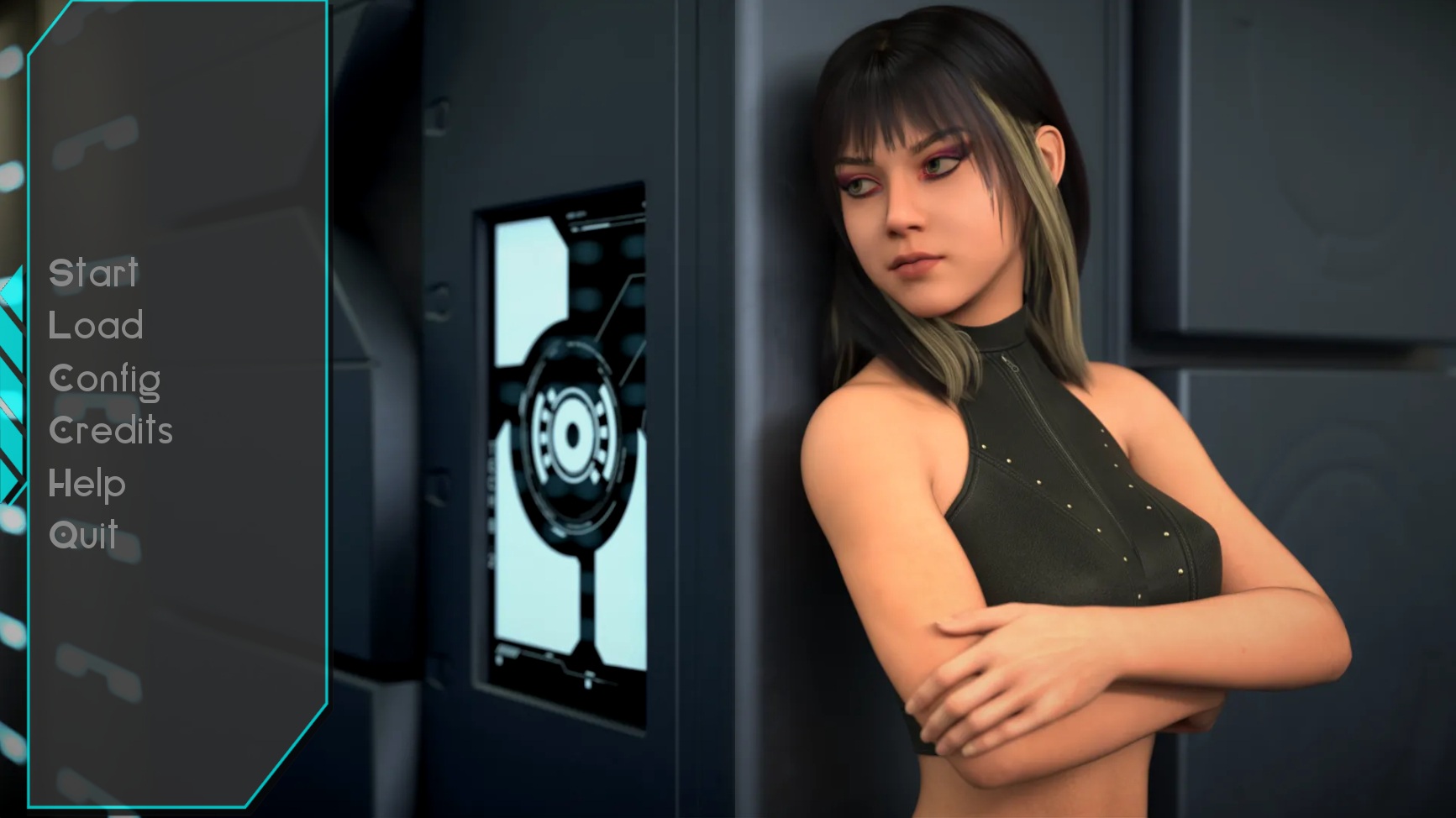
The Memory Machine uses stylized 3D visuals with an emphasis on lighting, composition, and expressive character animation to set tone and support short-form storytelling. Each level or scene is tightly scoped—think of them as rooms, short walks, or single-encounter sequences—so the game focuses on craft and atmosphere rather than open-world mechanics. Camera framing is used deliberately to guide attention, and animations are tuned to convey mood and relational detail between characters and objects.
Customization options are modest and practical: adjust camera sensitivity, playback speed for recorded memories, and basic graphics settings to balance performance on different hardware. Replay value comes from the ability to record different takes, explore branching memory threads, and revisit recorded sequences with alternate viewing options. All recordings and archives are stored locally, so players can browse and relaunch captured scenes offline without an online connection.
The Memory Machine includes accessibility-minded features such as subtitle support, adjustable text size for dialogue and menus, and remappable basic controls where supported by the platform. Difficulty is not a core barrier; scenes are paced for exploration and comprehension, and optional hints or contextual prompts help players who prefer guided navigation. The interface is kept minimal and consistent to make the experience approachable for new players and those familiar with experimental narrative games alike.
Installation is straightforward: extract the package and run the provided executable to start the game. Because all recorded memories and playback are handled locally, the title supports full offline play once installed. System demands are primarily tied to 3D rendering and animation; users should check the included developer notes for recommended hardware and settings. If you prefer an automated installer, be aware this package uses a manual extract-and-run workflow that some users may find unfamiliar.
The Memory Machine contains mature themes and explicit adult-oriented content as specified by the developer and is not suitable for minors or players who are uncomfortable with mature subject matter. The description avoids graphic detail, but prospective players should review in-app content warnings and the developer's classification before downloading. The game is intended for an adult audience and focuses on narrative exploration rather than explicit depiction.





The Memory Machine
Size:2139.04M ShootingLeap of Time
Size:593.67M ShootingAlmost Mine
Size:102.54M ShootingIsland of Desire
Size:1348.52M ShootingSo Much To Love
Size:367.00M ShootingEveryone Wants Me To Be A Girl
Size:683.01M ShootingHidden Files
Size:649.23M ShootingThe Beautyfield
Size:1521.64M ShootingNeuro/Splice
Size:195.00M ShootingStar Avenger: Chaos Arena
Size:242.00M ShootingLa quête de l'aventure
Size:61.90M ShootingHollow Knight: Silksong
Size:1945.60M ShootingApril 2024 Clash of Clans Update: Unveiling a Fresh Companion, Enhanced Levels, Chat Tagging, and Be
2024-04-16Arrival of Genshin Impact 4.6 Update: 'Embers of Two Realms, Twilight of Crimson'
2024-04-16V2.2 of the Farlight 84 update introduces an overhauled Season structure, fresh in-game currency, an
2024-04-16Monster Never Cry is now accessible on both Android and iOS mobile devices.
2024-04-18PUBG Mobile Teams Up with Bentley Motors: Luxury Cars, Exclusive Collectibles, and Beyond
2024-04-18March 2024 Free Redemption Codes for Honkai: Star Rail
2024-04-18