English
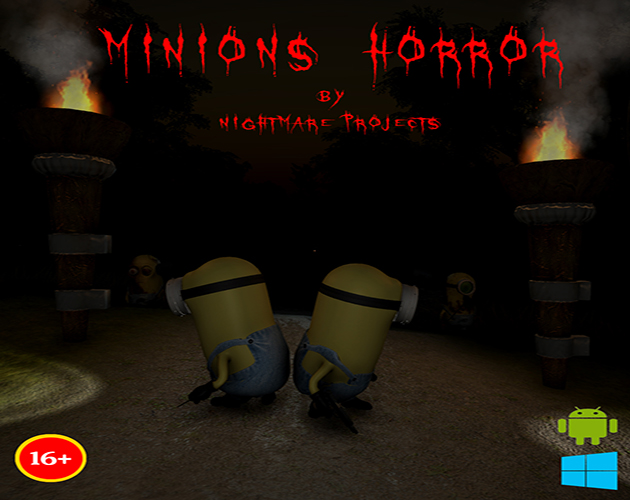
Minions Horror is a tense, arcade-style survival game that puts you in a series of atmospheric maps where stealth, quick thinking, and limited resources decide whether you escape or become another casualty of the night. This editor description explains core systems, controls, and what new players can expect from Minions Horror, focusing on gameplay flow, progression options, and the design choices that keep short sessions rewarding and replayable.
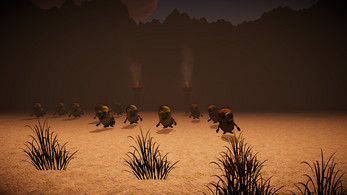
At its core Minions Horror blends short-form survival runs with exploration and light puzzle solving. Players move through cramped interiors, abandoned streets, and shadowed rooms searching for keys, tools, and environmental clues while avoiding erratic minion enemies. The game emphasizes three pillars: careful observation to learn patrol routes and environmental cues, evasive movement using hiding spots and timed distractions, and steady progression by collecting the items needed to unlock new areas. Encounters balance creeping suspense with bursts of frantic action so each map feels dynamic rather than repetitive.
The control scheme is optimized for touch screens with clear, responsive inputs for movement, interaction, sprinting, and crouch. On-screen buttons are laid out to minimize accidental inputs, and basic control sensitivity options let players tailor responsiveness to their device. The HUD is intentionally minimal: it shows essential information such as objective hints, flashlight battery level, and a simple inventory indicator. A short, interactive tutorial introduces hiding mechanics, item interaction, and enemy behavior so newcomers can learn by doing before tackling a full map.
Progression in Minions Horror is steady and predictable without becoming grind-heavy. Completing objectives unlocks modest upgrades and cosmetic choices. Typical upgrades increase flashlight duration, expand inventory slots, or give a slight stamina boost for longer sprints. Cosmetics allow players to personalize their character’s appearance without affecting gameplay balance. These systems give a satisfying sense of forward progress while keeping core encounters consistent for all players.
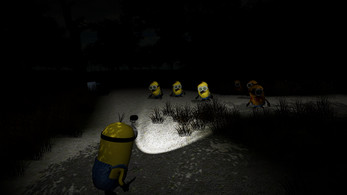
Levels are compact and designed to be completed in short sessions, making the game a good fit for commuters or brief play breaks. Map design encourages multiple approaches, rewarding players who scout alternate paths, use vents or side doors, and improvise rather than forcing a single solution. The primary antagonists are fast, unpredictable minions that respond to light and sound, so learning to manipulate environmental cues—turning off lights, tossing small objects, or timing movements—becomes an essential skill. Randomized enemy behavior and item placement keep runs fresh, increasing replay value without adding artificial difficulty spikes.
Players have access to a modest toolkit that grows with progression. Standard items include limited-battery flashlights, noise-making gadgets, lockpicks, and health packs. Systems are interdependent: a drained flashlight makes stealth more difficult, while well-timed distractions can create openings to reach critical items. Difficulty is managed through subtle changes in enemy aggression and placement rather than punitive mechanics, and optional settings allow players to adjust challenge level to match their preferred experience.
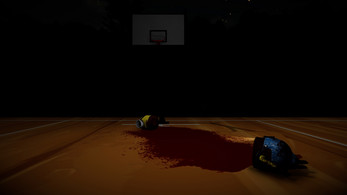
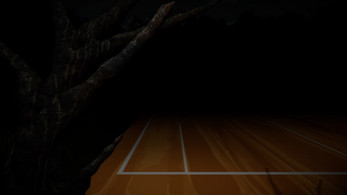
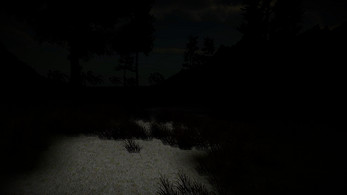
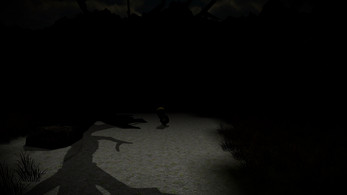
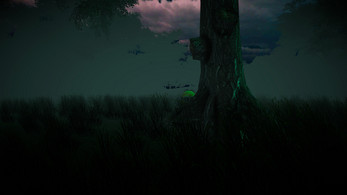
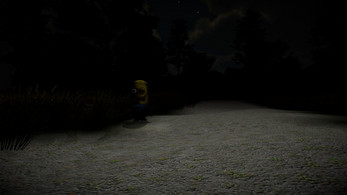
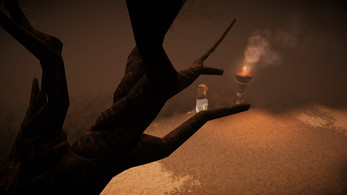
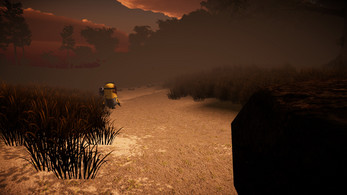
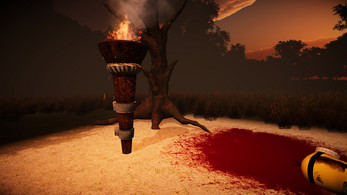
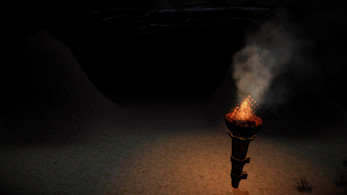
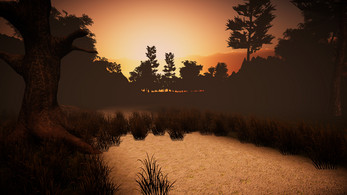
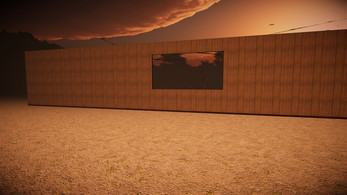
Visuals rely on moody lighting, fog, and stylized textures to create tension while remaining performance-friendly on a variety of devices. The art direction favors atmosphere over photo-realism, which helps maintain consistent frame rates on mid-range hardware yet still provides immersive scenes for higher-end phones with enhanced detail settings. Sound design is a central element: distant footsteps, creaking doors, and ambient drones cue player decisions and build suspense, while optional stereo and microphone features can be used for specific audio-based mechanics.
Minions Horror includes accessibility options such as adjustable control sensitivity, simplified HUD toggles, and subtitles for in-game narration and audio cues to support players with hearing or motor challenges. The game is playable offline for single-player runs, with optional permissions requested only for local storage and microphone access when players want to enable audio-based features. Performance settings let users prioritize battery life or visual quality depending on their device capabilities.
Installing the game follows a standard mobile workflow: download, grant the requested permissions if you want audio features or saved progress on the device, and complete the brief tutorial. Early missions are designed to teach core systems gradually so new players can learn observation, stealth, and item use before facing more complex levels. Overall, Minions Horror offers compact, suspenseful sessions with layered mechanics that reward patient play and experimentation.


Caravan SandWitch
Size:828.93M Shooting#BLUD
Size:3942.00M ShootingRioRise
Size:179.52M ShootingDésiré
Size:2.00M ShootingBall Blast Cannon blitz mania
Size:84.60M ShootingMinions Horror
Size:421.80M ShootingKiss of Sin: Rewinding Flame
Size:903.00M ShootingCane and Able
Size:268.00M ShootingCubeCrafter
Size:156.10M ShootingCursed Forest Quest
Size:794.00M ShootingThe Innocent
Size:235.00M ShootingThirsty Society
Size:558.46M ShootingApril 2024 Clash of Clans Update: Unveiling a Fresh Companion, Enhanced Levels, Chat Tagging, and Be
2024-04-16Arrival of Genshin Impact 4.6 Update: 'Embers of Two Realms, Twilight of Crimson'
2024-04-16V2.2 of the Farlight 84 update introduces an overhauled Season structure, fresh in-game currency, an
2024-04-16Monster Never Cry is now accessible on both Android and iOS mobile devices.
2024-04-18PUBG Mobile Teams Up with Bentley Motors: Luxury Cars, Exclusive Collectibles, and Beyond
2024-04-18March 2024 Free Redemption Codes for Honkai: Star Rail
2024-04-18