English
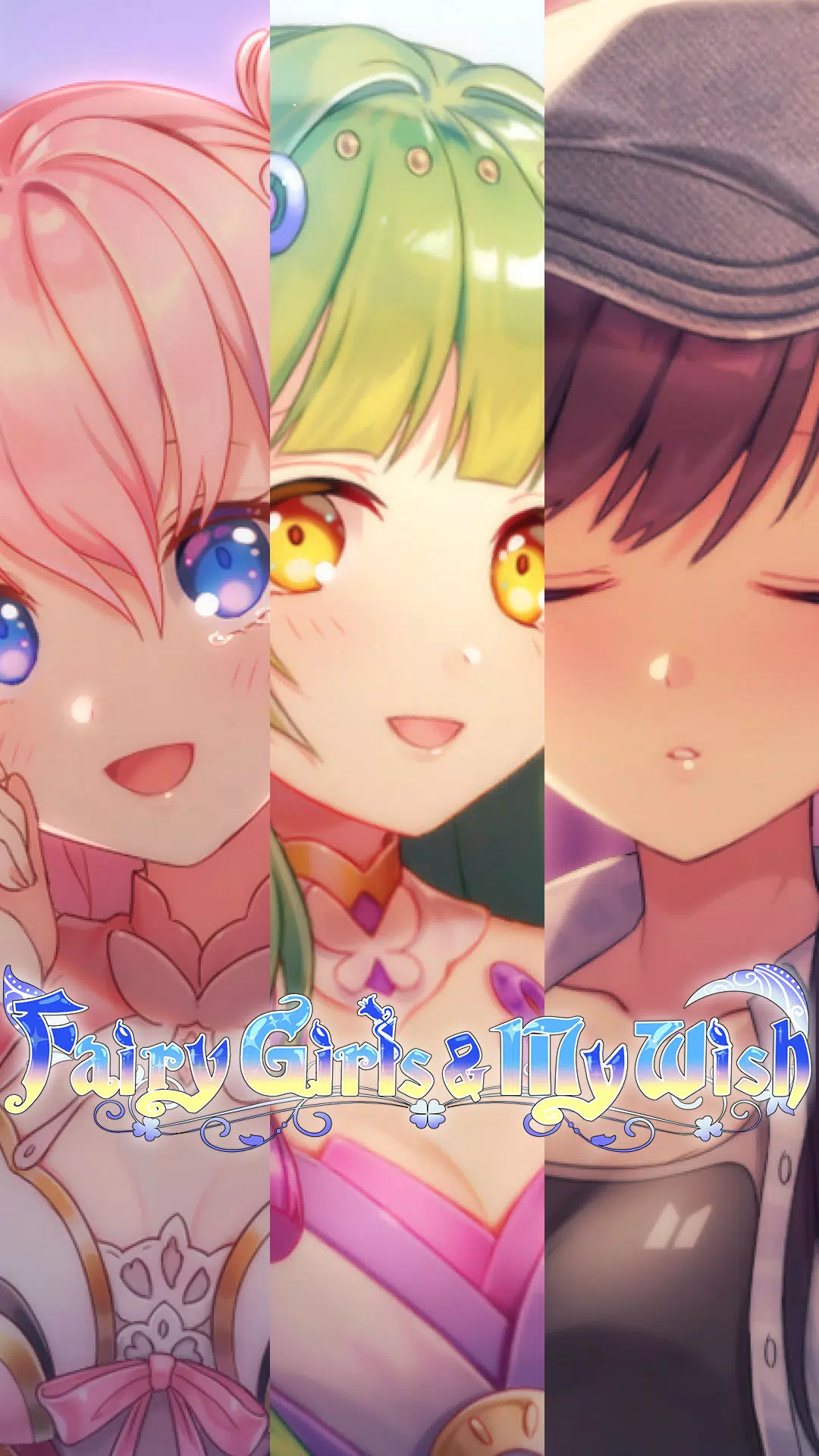
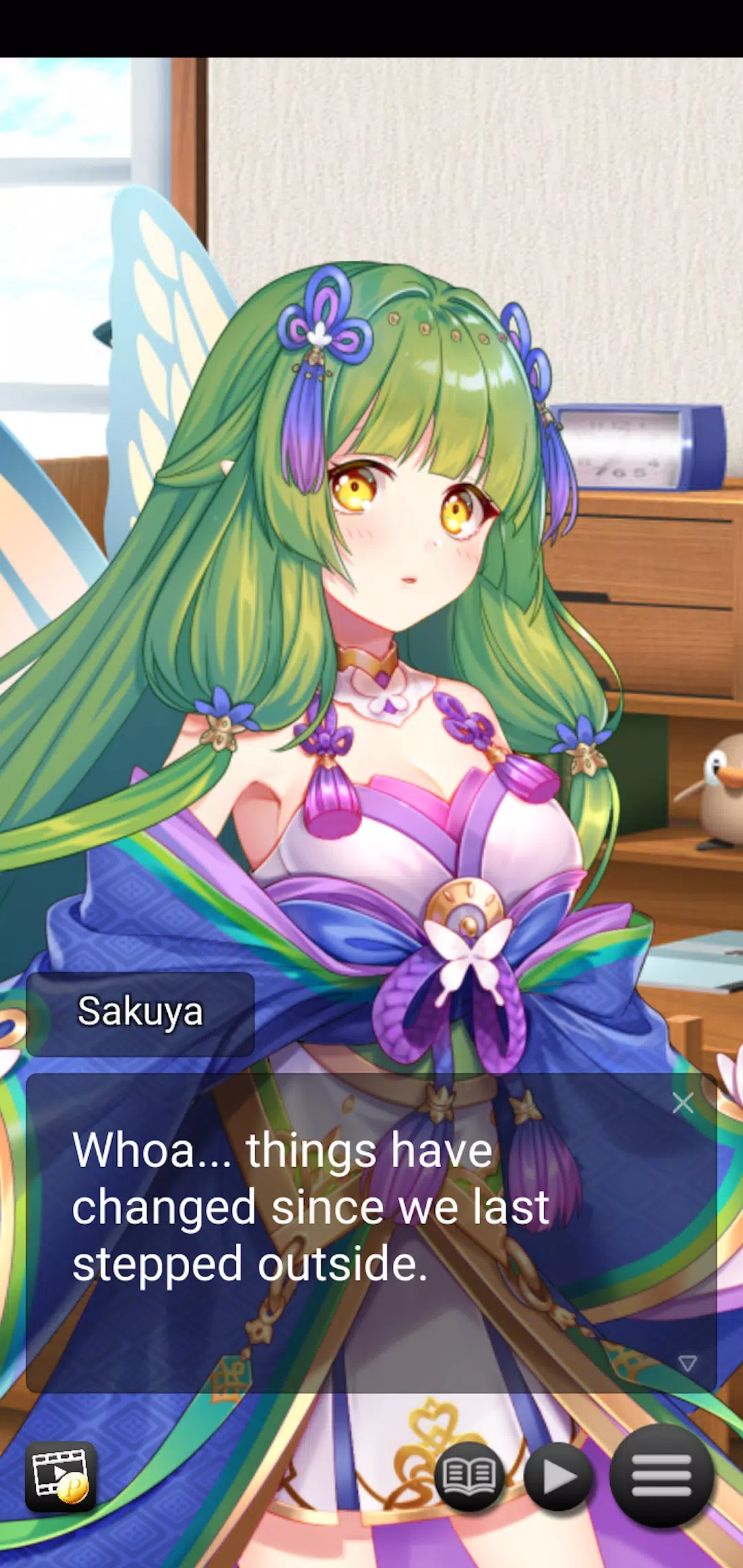
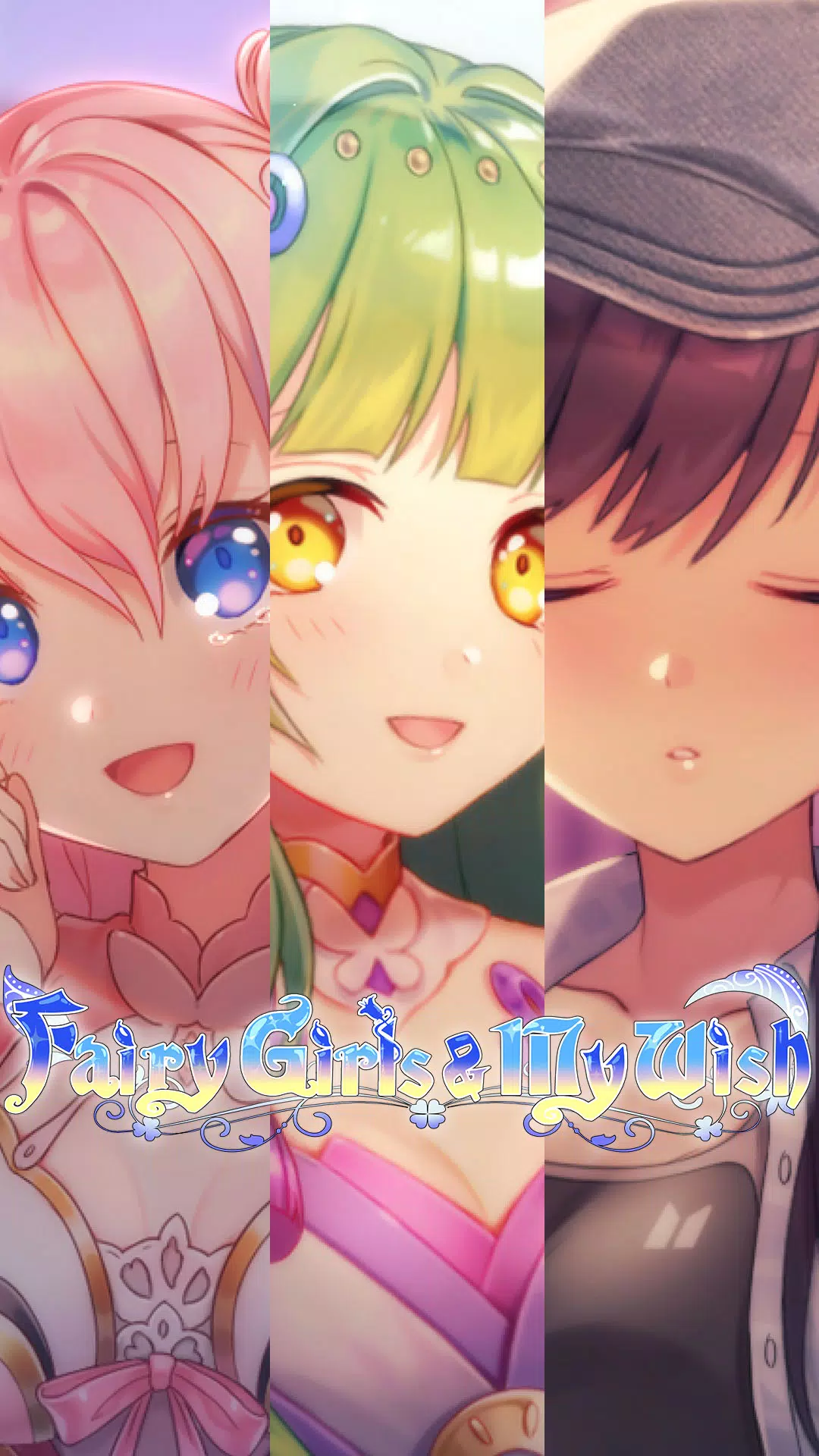
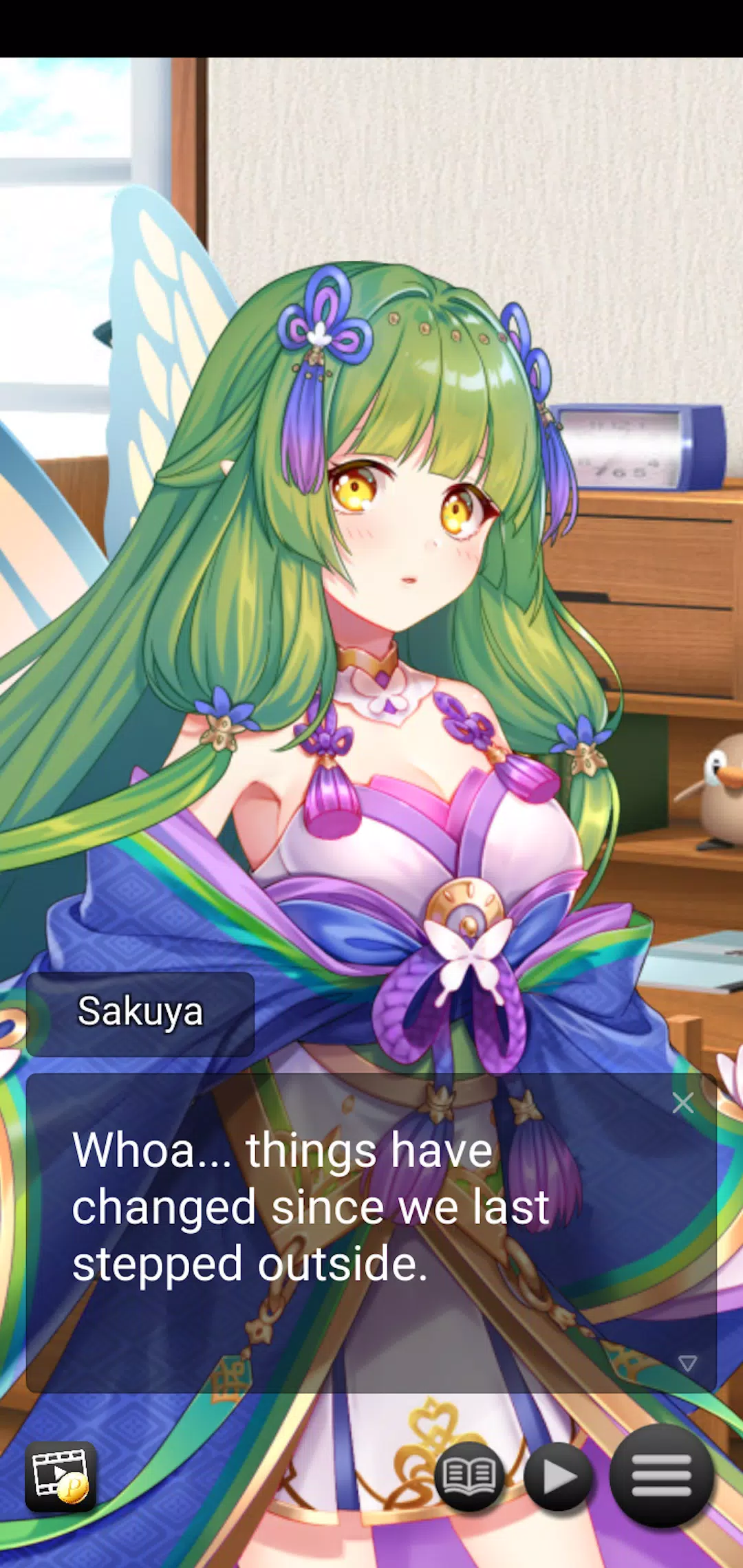
Fairy Girls and My Wish introduces a story-driven manager-style experience that combines the everyday pressures of a local amateur soccer club with a quiet touch of the supernatural: after the protagonist opens a mysterious box, two fairies named Airi and Sakuya appear and offer to grant a wish, becoming unseen companions who affect training, tactics, and personal choices. In this seasonal, chapter-based game you guide a community team through practices, relationship scenes, and approachable match simulations, balancing steady athletic development with character-focused narrative decisions. The description below highlights core mechanics, progression, and the intended player experience for those interested in a calm, choice-driven sports story.
Fairy Girls and My Wish centers on a secret-assistance mechanic where Airi delivers on-field boosts to physical drills while Sakuya influences strategic thinking and off-field choices. That interplay creates quiet dramatic tension as small, believable improvements appear in players’ performances and team morale without an obvious cause. The game emphasizes gradual stat increases rather than instant power spikes, and equipment or kit updates provide modest bonuses alongside cosmetic variety. Encounters with teammates, supporters, and your manager Makoto are framed as meaningful scenes that change dialogue options and can open alternate story branches.
Progression unfolds chapter by chapter: each chapter contains a set of practice sessions, interpersonal scenes, and a competitive match that advances both plot and player progression. Training is broken into focused drills that raise specific attributes—fitness, ball control, tactical awareness—while scheduling choices force trade-offs between short-term gains and long-term development. Mini-games represent drills with simple mechanics that let you influence stat growth directly; these are intentionally short to support one-handed or quick sessions. Relationship points track interactions and influence available options during key scenes, which in turn can unlock new practice routines or narrative paths.
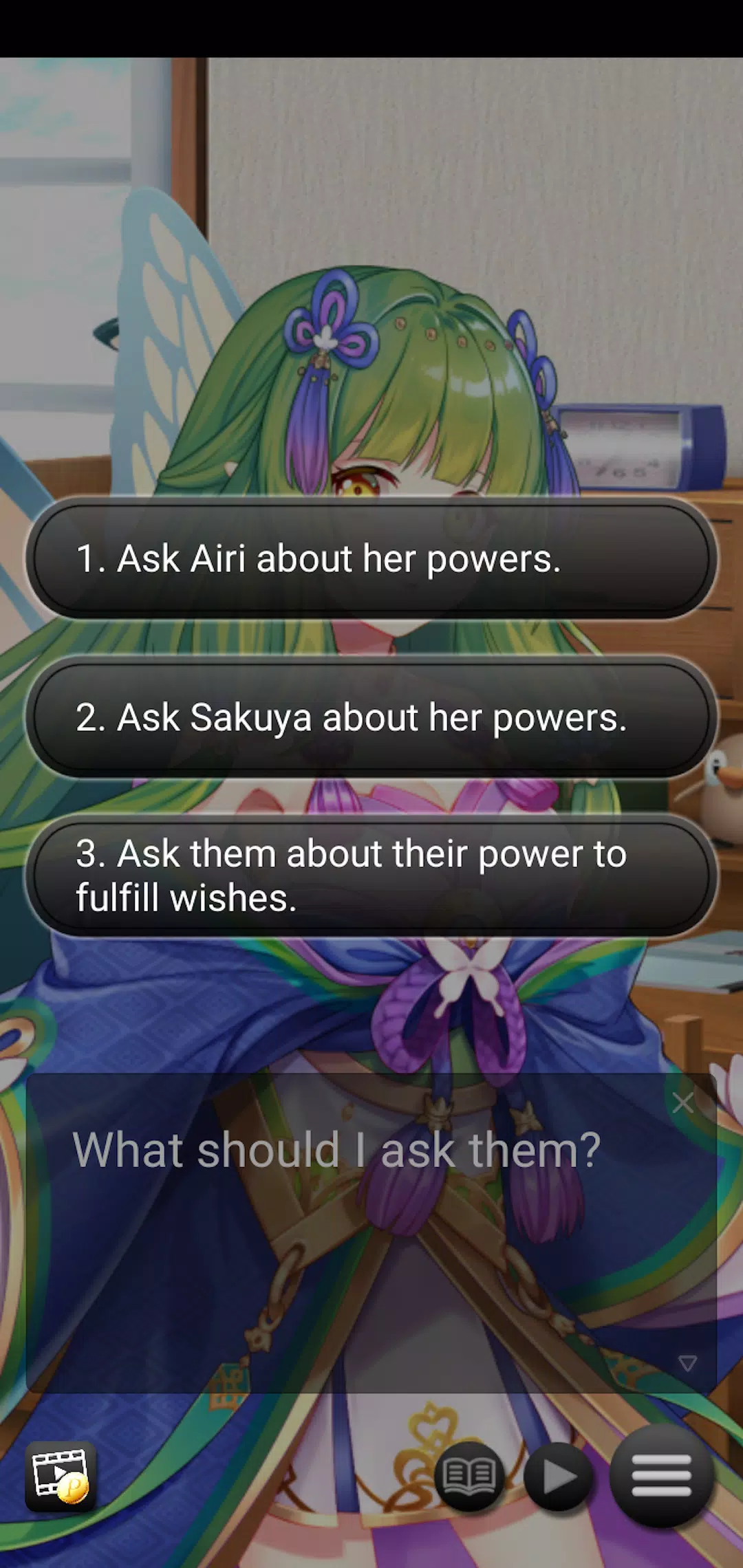
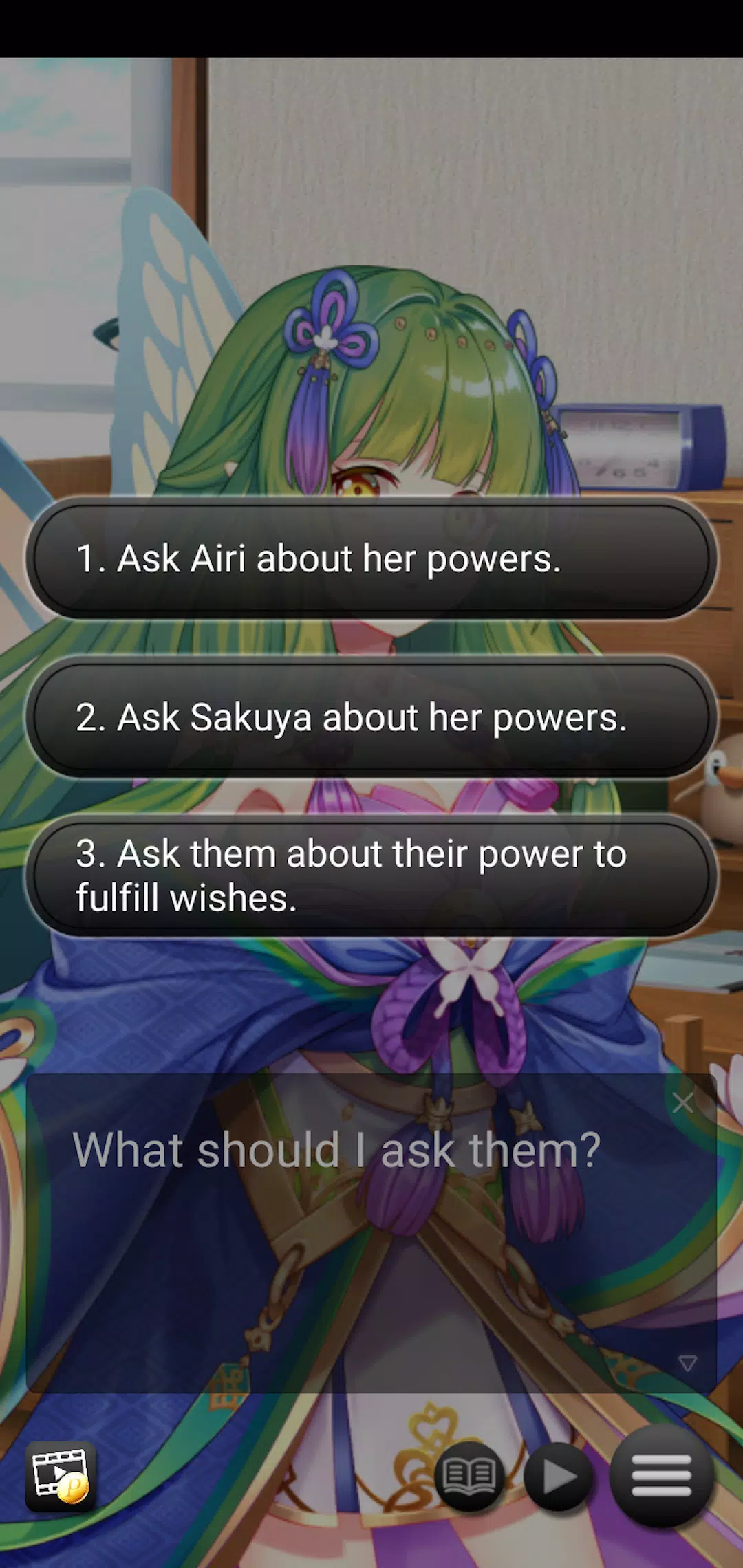
Controls are designed for mobile convenience: tap to advance dialogue and select choices, tap-or-swipe gestures for practice mini-games, and an intuitive menu structure for managing weekly schedules and inventory. Interface feedback is clear about how choices modify stats or relationship values, and the autosave plus manual-save options encourage experimentation with different decisions without punishing progress. Performance settings help balance visual detail and battery usage, and the game runs fully offline so you can play without a persistent internet connection, making it suitable for commuting or short breaks.
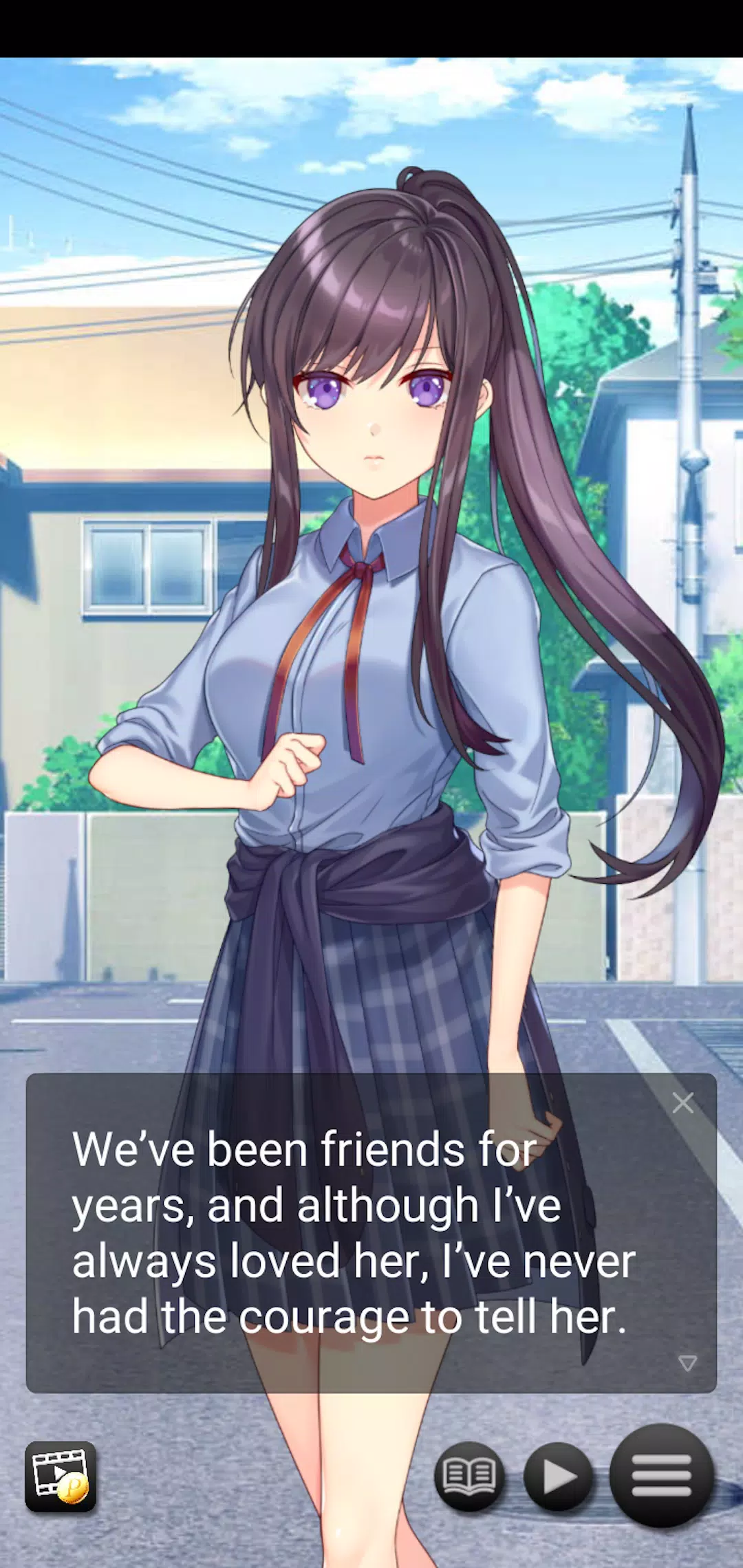
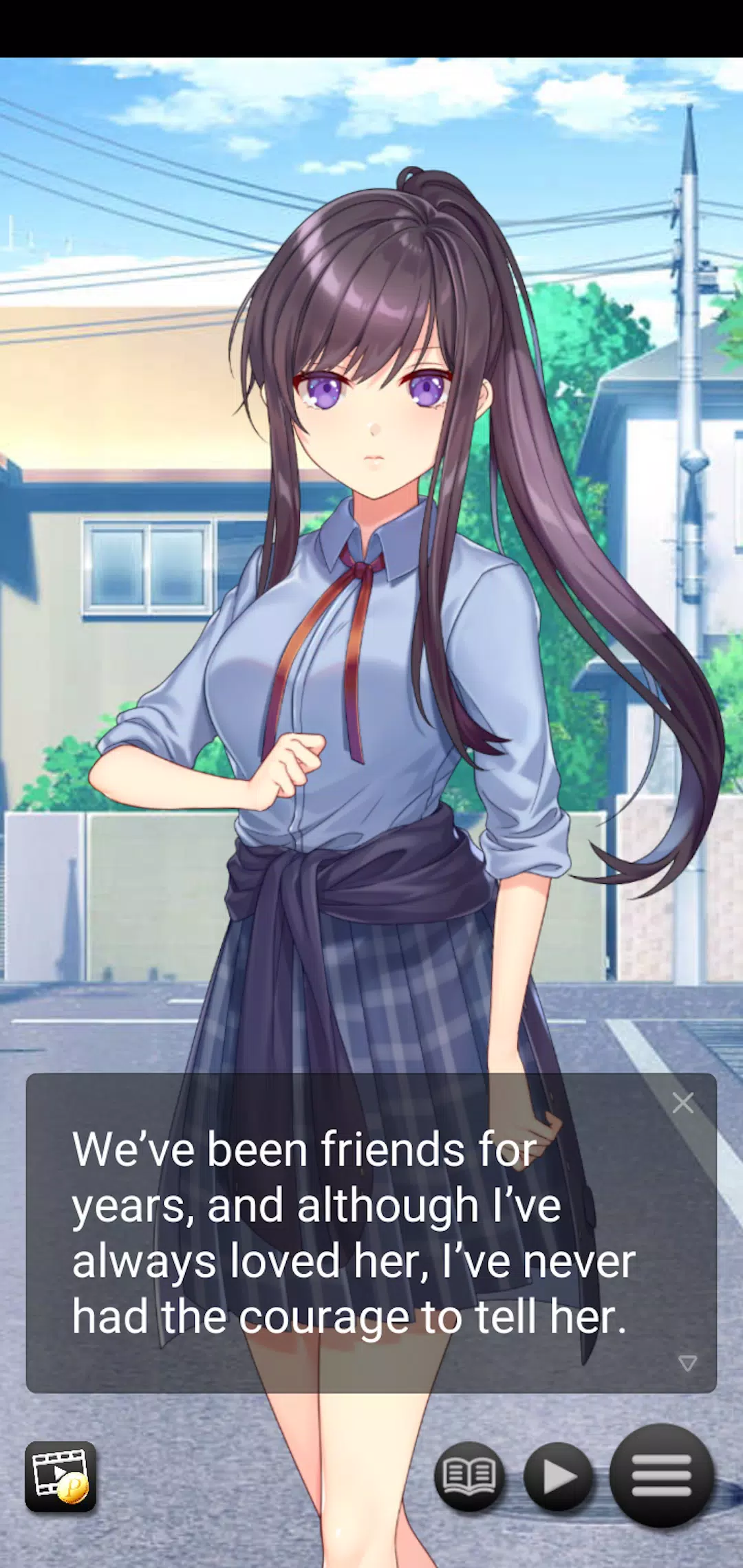
The visual presentation favors hand-drawn, anime-inspired character art with expressive portrait animations to convey emotion during conversations and important moments. Backgrounds depict locker rooms, suburban fields, and local match atmospheres with a restrained color palette that supports both intimate scenes and on-field action. A gentle soundtrack and ambient sound design set a calm tone for training and narrative beats. Customization is focused and meaningful: change the protagonist’s outfit, select team gear that provides small but tangible stat modifiers, and tweak appearance elements to reinforce your story choices without adding complex management overhead.
Replayability comes from branching choices and multiple endings tied to how you balance training, team relationships, and personal priorities. Optional higher-difficulty drills and challenge scenarios let players test optimized builds or pursue performance-focused playthroughs while leaving the core narrative intact for more casual runs. Accessibility options include adjustable text size, color-contrast modes, subtitle toggles, and a dialogue pacing control to accommodate different reading speeds. These settings, combined with short chapter structure and offline play, make the game approachable for a wide range of players.
Players who prefer character-led narratives with light romance elements and a sports-themed progression loop will find Fairy Girls and My Wish appealing. It is aimed at those who enjoy deliberate pacing, meaningful choices, and a focus on personal and team development rather than competitive rankings or online play. If you like calm, story-rich experiences that connect everyday training to on-field moments through believable mechanics and subtle supernatural support, this title offers an accessible season to explore with room for multiple playstyles.
Fairy Girls and My Wish
Size:46.00M SimulationReal Oper City
Size:351.50M SimulationDriveCSX: Car Crash Simulator
Size:897.00M SimulationGRANTED: YOUR FUTANARI FANTASY
Size:302.40M SimulationCanyon Shooting Range
Size:26.42M SimulationHELLMART Game
Size:132.00M SimulationHero Park 2
Size:133.00M SimulationMiner RPG
Size:838.00M SimulationCat Mafia : Idle Tycoon Games
Size:95.00M SimulationObby Prison Escape Run 3D
Size:149.28M SimulationMinicraft: Block Build Game
Size:94.66M SimulationCrazy Punch Man Game
Size:96.52M SimulationApril 2024 Clash of Clans Update: Unveiling a Fresh Companion, Enhanced Levels, Chat Tagging, and Be
2024-04-16Arrival of Genshin Impact 4.6 Update: 'Embers of Two Realms, Twilight of Crimson'
2024-04-16V2.2 of the Farlight 84 update introduces an overhauled Season structure, fresh in-game currency, an
2024-04-16Monster Never Cry is now accessible on both Android and iOS mobile devices.
2024-04-18PUBG Mobile Teams Up with Bentley Motors: Luxury Cars, Exclusive Collectibles, and Beyond
2024-04-18March 2024 Free Redemption Codes for Honkai: Star Rail
2024-04-18