English
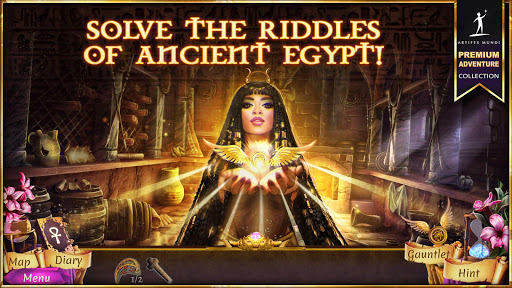
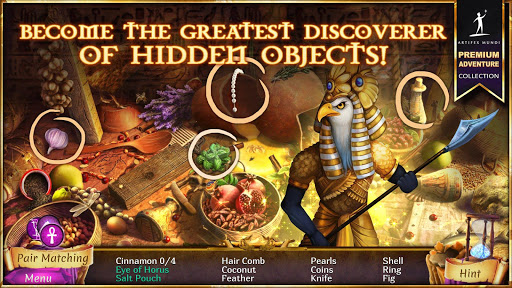
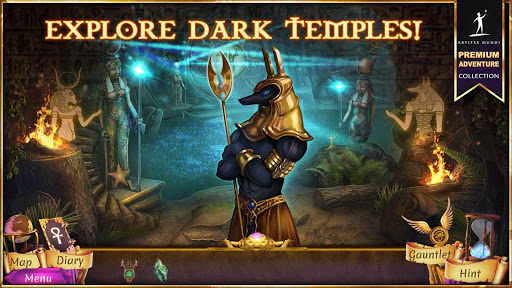
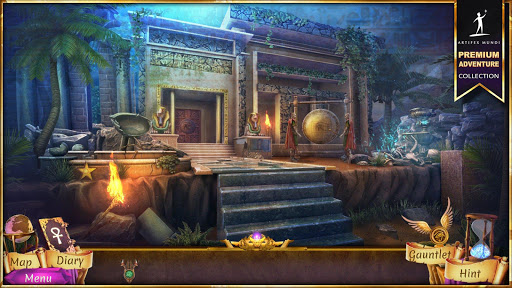
Demon Hunter 4 drops players into a shadowed, story-driven hidden-object adventure set among the ruined temples and deserts of ancient Egypt. In this installment you play as Lila, the niece of the famed Demon Hunter, racing through atmospheric scenes to rescue her aunt Dawn Ashmoore after an evil spirit and the god Seth awaken. Demon Hunter 4 blends investigative exploration, excavation-style sequences and the puzzle system called Riddles of Light to create a paced single-player experience that you can sample for free and unlock in full from inside the game.
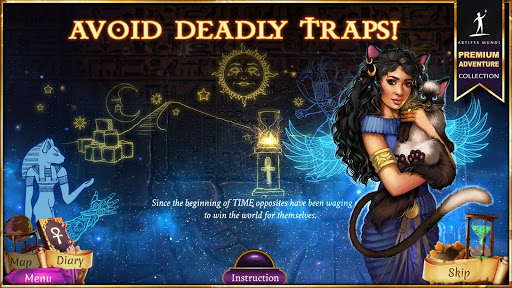
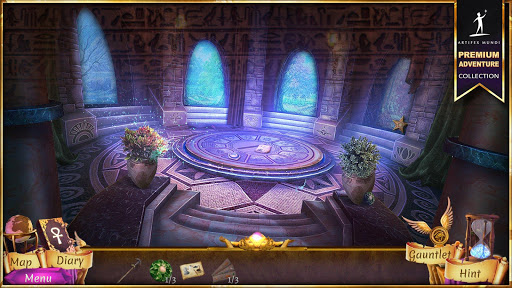
The core of Demon Hunter 4 is its sequence of scene-based levels that alternate between richly illustrated hidden-object screens, interactive excavation moments where you gradually reveal artifacts, and focused puzzle encounters that use light, shadow and pattern recognition. The Riddles of Light puzzles are designed around rotating elements and aligning beams or symbols to open paths or reveal clues. Artifacts you recover add to an in-game journal that ties directly into the unfolding narrative rather than acting as a simple checklist. Cinematic cutscenes and character-driven dialogue move the plot forward between chapters.
Controls are built for touch devices: tap to search, drag to move objects and pinch/zoom where scenes include finer details. Puzzles respond to simple gestures and on-screen controls that are introduced gradually, so new players can learn mechanics as they go. The interface keeps an on-screen hint and skip options for difficult puzzles, and an inventory bar stores artifacts and tools you collect. Contextual prompts indicate where items may be used, and the game’s pacing allows you to pause and resume at any point in a chapter without losing progress.
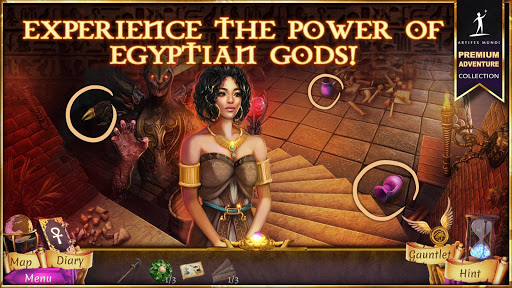
The game is organized into chapters that represent different locations across the Egyptian ruins; each chapter contains multiple scenes and at least one major puzzle that advances the story. Progression depends on solving hidden-object lists, completing Riddles of Light sequences and using discovered artifacts to unlock new areas. Optional side objectives and collectible pieces of lore are scattered through scenes and unlock additional journal entries and background about the world. A simple map and chapter list make it easy to revisit earlier areas if you want to finish side content or retry puzzles.
Demon Hunter 4 emphasizes detailed, hand-painted environments and cinematic framing to support the darker, mythic tone of the story. Lighting and particle effects are used in puzzles to reinforce the Riddles of Light mechanics, while sound design and an ambient score establish mood and scene transitions. Character portraits and short animated segments accompany key narrative beats, helping the story remain anchored as you move between investigative gameplay and puzzle challenges.
Settings include adjustable music and sound volumes, subtitle toggles for dialogue and options to control hint frequency so players can tailor the level of assistance they receive. Text size and contrast controls help make item lists and journal entries easier to read, and touch sensitivity settings improve responsiveness for devices with different screen sizes. These options aim to make the core hidden-object and puzzle experience approachable for a range of players without altering the intended challenge.
Replay value comes from optional tasks, variant hidden-object lists and the opportunity to revisit scenes to collect missed artifacts and complete journal pages. Many puzzles include multiple solutions or timed bonus mechanics that encourage experimentation and speed runs for players who want an added challenge. The game avoids punitive mechanics: failing a puzzle typically leads to hints or the option to retry without long-term penalties, which keeps the narrative momentum intact while still rewarding careful observation and logic.
Demon Hunter 4 is primarily a single-player, offline-friendly experience so you can play scenes and puzzles without a persistent internet connection; an internet connection may be required to restore purchases or download additional content. The user interface is designed to be unobtrusive, with a clear inventory, journal and hint controls that preserve immersion while giving you quick access to necessary information. Save points and an autosave system make it simple to pick the story back up where you left off.
The game comes from a studio experienced in narrative-focused hidden-object adventures, with design choices and polished visuals that reflect work on related series. Their approach emphasizes layered storytelling, pacing that balances exploration with puzzles, and consistent art and sound direction to support the atmosphere of Demon Hunter 4.
Caravan SandWitch
Size:828.93M Shooting#BLUD
Size:3942.00M ShootingRioRise
Size:179.52M ShootingDésiré
Size:2.00M ShootingBall Blast Cannon blitz mania
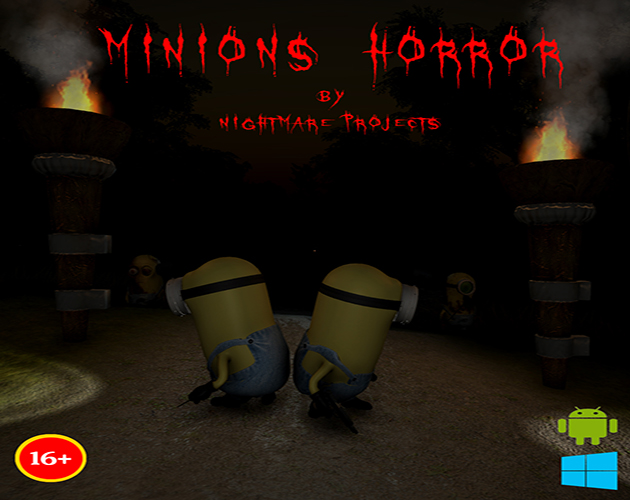
Size:84.60M ShootingMinions Horror
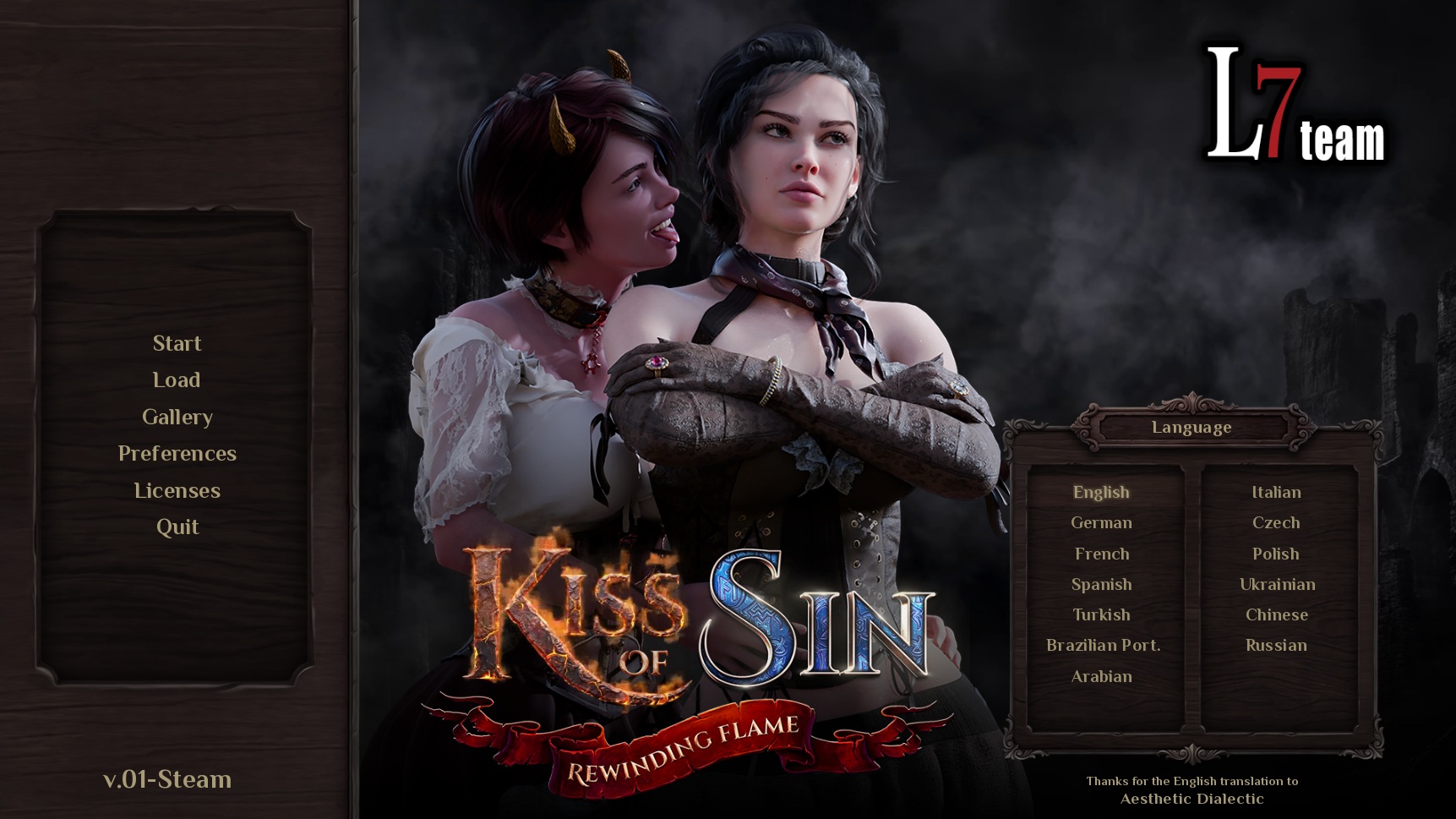
Size:421.80M ShootingKiss of Sin: Rewinding Flame
Size:903.00M ShootingCane and Able
Size:268.00M ShootingCubeCrafter
Size:156.10M ShootingCursed Forest Quest
Size:794.00M ShootingThe Innocent
Size:235.00M ShootingThirsty Society
Size:558.46M ShootingApril 2024 Clash of Clans Update: Unveiling a Fresh Companion, Enhanced Levels, Chat Tagging, and Be
2024-04-16Arrival of Genshin Impact 4.6 Update: 'Embers of Two Realms, Twilight of Crimson'
2024-04-16V2.2 of the Farlight 84 update introduces an overhauled Season structure, fresh in-game currency, an
2024-04-16Monster Never Cry is now accessible on both Android and iOS mobile devices.
2024-04-18PUBG Mobile Teams Up with Bentley Motors: Luxury Cars, Exclusive Collectibles, and Beyond
2024-04-18March 2024 Free Redemption Codes for Honkai: Star Rail
2024-04-18