English
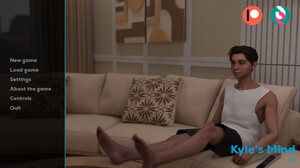
Kyle’s Mind is a compact, narrative-driven indie experience that puts you in the shoes of Kyle, a solitary man whose ordinary family life in the city is unsettled by the arrival of a mysterious figure. The game emphasizes character, tone and consequence rather than mechanical complexity, inviting players to follow a sequence of small events that ripple through relationships and daily routines. Players who appreciate short, story-focused chapters with a balance of dark and silly humor will find Kyle’s Mind presents a deliberately paced, personal tale that rewards attention to dialogue and detail.
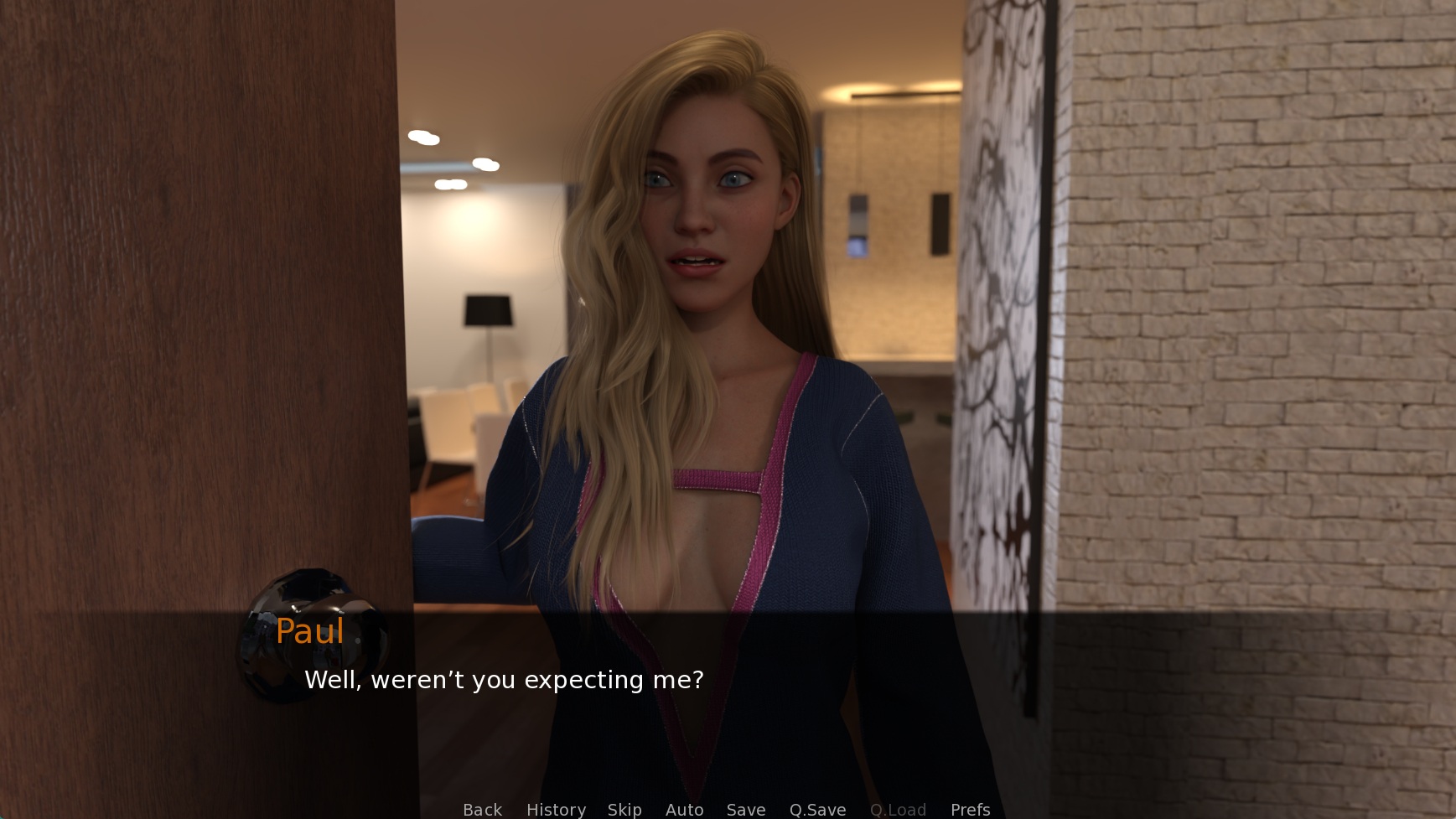
The game centers on focused story segments and scene-based interaction: play brief chapters set across home and urban locations, interact with objects and people, and make choices that shift mood and outcome. Controls are intentionally simple and touch-friendly, letting you tap to examine, tap or swipe to move between scenes, and choose dialogue or action options from an on-screen menu. There are no complex skill trees or real-time combat systems; the primary gameplay loop is exploration, conversation and responding to small situational puzzles that push the plot forward.
Progression in Kyle’s Mind is organized into short, self-contained scenes that together form a coherent narrative arc. Each scene introduces a small objective—investigate a strange noise, decide how to respond to an unwelcome guest, or choose whether to conceal or reveal information—that advances relationships and changes the tone of later encounters. The game saves your place automatically between scenes and supports multiple short play sessions, making it well suited to limited play time. Because choices influence subsequent scenes, the game encourages replaying chapters to see different reactions and emotional beats.
The interface is designed for mobile touchscreens: intuitive taps to interact, simple swipe gestures to navigate between areas, and clear on-screen prompts for dialogue choices. Menus are kept minimal to keep attention on story and characters, with straightforward access to settings for audio, text size and subtitles. The experience favors accessibility and readability—dialogue text is adjustable, contrast options help visibility in varied lighting, and controls remain responsive even on mid-range devices to reduce frustration.
Kyle’s Mind uses a restrained indie visual approach that supports mood and characterization without relying on high-fidelity graphics. Expect a stylistic palette, deliberate framing of domestic and city scenes, and lighting that shifts to underscore unexpected or mischievous moments. Audio is focused on atmosphere: ambient city sounds, subtle cues for important interactions, and a minimal musical underscoring that leans into the story’s darker or more absurd beats. Sound and music volumes can be adjusted independently in the settings.
Levels are best understood as narrative scenes rather than traditional action stages. Challenges are mostly observational—spotting details, choosing the right moment to act, or selecting responses that guide relationships—rather than reflex tests. A small number of light logic or inventory-style puzzles appear as interaction beats; these are designed to match the game’s tone and keep the flow focused on story, not on extended mechanical mastery. The challenge comes from making decisions whose consequences play out in later scenes.
While Kyle’s Mind does not include deep character customization, it offers meaningful variation through branching dialogue and scene outcomes. Replay value arises from exploring alternate choices, observing different emotional responses and uncovering small, scene-specific details that may be missed on a first playthrough. Accessibility options such as adjustable text size, subtitles and basic visual contrast settings are included to support a wider range of players and viewing conditions.
The game is designed to be playable offline after download, with lightweight install size and modest device requirements so it runs comfortably on many Android phones and tablets. Because this is an early release, content is focused and intentionally compact; players should expect a short but narrative-rich session rather than a large open-world title. Ongoing updates may expand scenes and polish systems, and the current build provides a clear, self-contained experience.
Version 0.1.6 introduces the ability to play specifically from Kyle’s viewpoint, shifting the narrative perspective and emphasizing the chain of mischief that follows the mysterious arrival. This update clarifies the character focus and refines interaction feedback; further updates will concentrate on additional scenes and quality-of-life improvements based on player feedback. Kyle’s Mind remains a story-first indie game intended for players who value mood, character work and concise, choice-driven storytelling.




Caravan SandWitch
Size:828.93M Shooting#BLUD
Size:3942.00M ShootingRioRise
Size:179.52M ShootingDésiré
Size:2.00M ShootingBall Blast Cannon blitz mania
Size:84.60M ShootingMinions Horror
Size:421.80M ShootingKiss of Sin: Rewinding Flame
Size:903.00M ShootingCane and Able
Size:268.00M ShootingCubeCrafter
Size:156.10M ShootingCursed Forest Quest
Size:794.00M ShootingThe Innocent
Size:235.00M ShootingThirsty Society
Size:558.46M ShootingApril 2024 Clash of Clans Update: Unveiling a Fresh Companion, Enhanced Levels, Chat Tagging, and Be
2024-04-16Arrival of Genshin Impact 4.6 Update: 'Embers of Two Realms, Twilight of Crimson'
2024-04-16V2.2 of the Farlight 84 update introduces an overhauled Season structure, fresh in-game currency, an
2024-04-16Monster Never Cry is now accessible on both Android and iOS mobile devices.
2024-04-18PUBG Mobile Teams Up with Bentley Motors: Luxury Cars, Exclusive Collectibles, and Beyond
2024-04-18March 2024 Free Redemption Codes for Honkai: Star Rail
2024-04-18