English
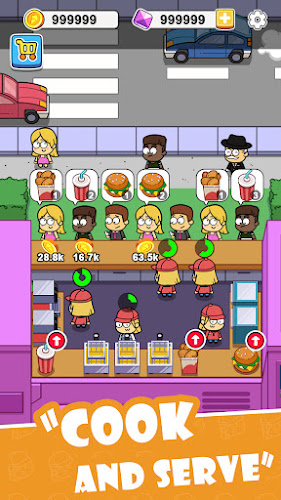
Idle Food Bar puts you in charge of a small street food stall and tasks you with turning simple recipes into a thriving casual dining operation. Idle Food Bar introduces approachable tap-to-serve mechanics paired with idle progression so you can enjoy short bursts of active play or step away and still see steady advancement. This editor overview explains core systems, controls, upgrade paths and what to expect from progression so you can decide whether the pace and depth fit your playstyle.
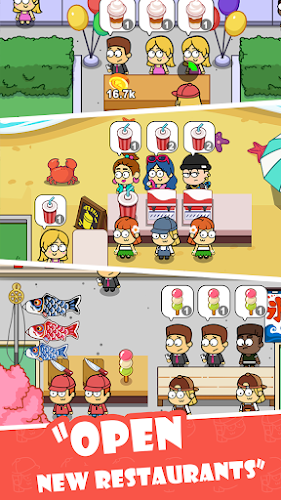
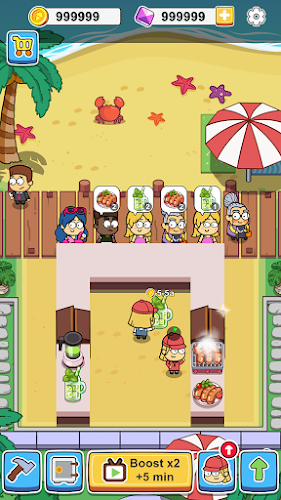
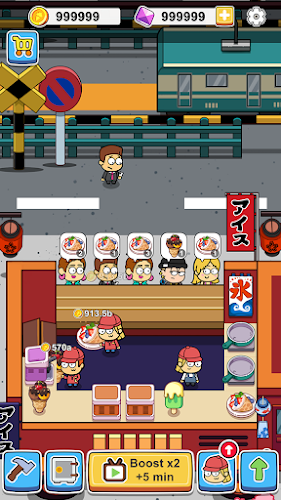
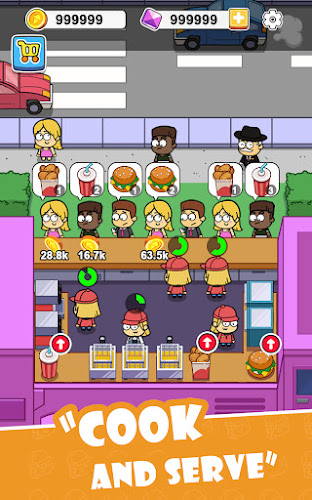
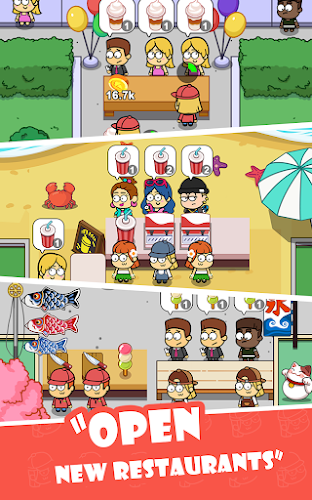
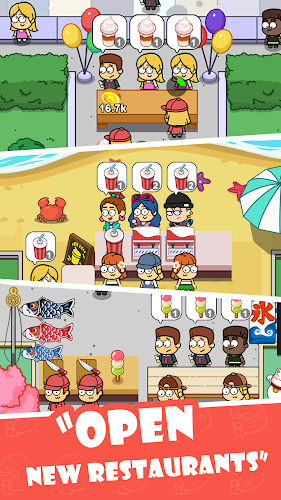
The game centers on a tight loop of serving customers, earning revenue and investing in automation. Upgrades accelerate service, increase tips and unlock appliances that change how quickly each location scales. Staff recruitment matters: different employees bring distinct bonuses to service speed, order handling and passive income. As you expand, new venues introduce visual variety and shifting priorities, encouraging experimentation with upgrade order and strategy without overwhelming newcomers.
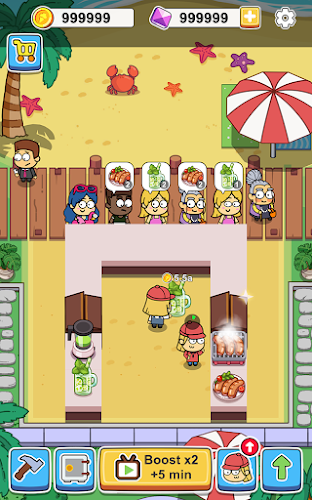
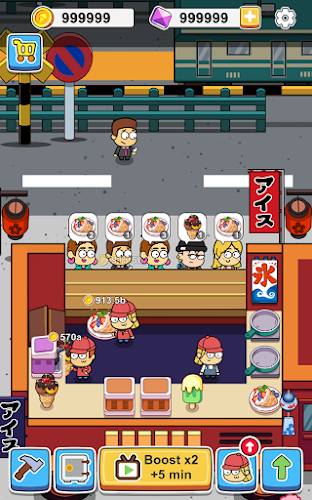
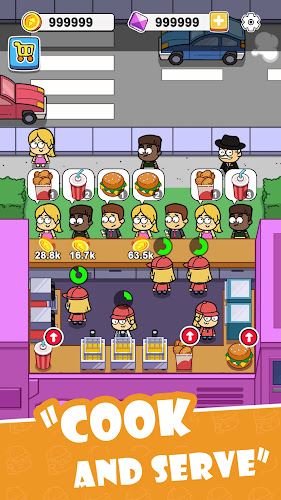
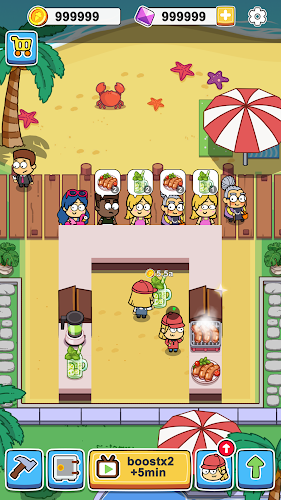
Controls are intentionally simple and mobile-friendly. Tap to serve customers and collect earnings, and use straightforward touch menus to purchase upgrades or hire staff. Active play rewards moment-to-moment attention with faster short-term gains, while idle-focused upgrades let revenue accumulate when the app is closed. The interface keeps important information visible at a glance so players can make quick decisions during a commute or in short sessions.
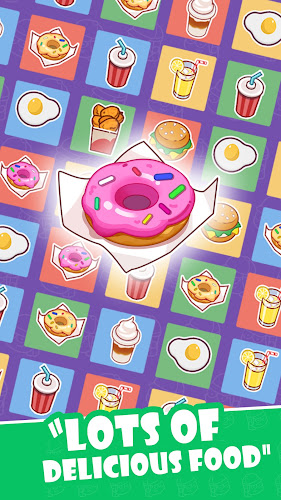
Progression is earned through reinvesting profits into equipment, menu items and personnel. Early upgrades stabilize cash flow by improving service speed and basic menu variety. Later tiers introduce multiplicative boosts, premium dishes and location unlocks that shift long-term strategy. Staff training provides branching returns: investing in cooks, servers or managers produces different efficiencies that favor either active tapping strategies or passive income builds.
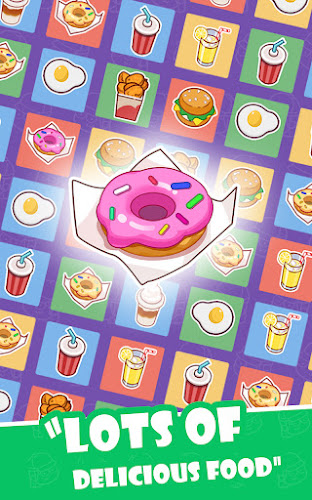
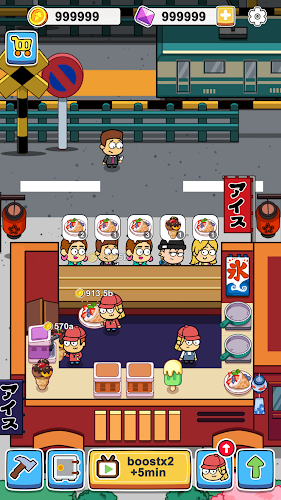
The visual style favors clean, colorful art that highlights activity and progression rather than photorealism. Each location has its own aesthetic and customer types, helping convey the sense of empire growth as you go from a single street-side stall to busier, themed venues. Levels unlock in sequence as revenue milestones are reached, and each new level subtly changes customer behavior and dish dynamics to keep play engaging as you advance.
Customization is focused on menu selections, staff composition and upgrade choices rather than purely cosmetic items. Choosing which dishes to promote, which appliances to prioritize and which employees to train creates different efficiency curves and encourages multiple playthroughs. Because the order you unlock and upgrade items affects long-term returns, there is meaningful replay value in trying alternate strategies and adapting to the unique challenges of each venue.
Design choices emphasize clarity and accessibility: readable icons, predictable upgrade effects and concise tooltips help new players learn the systems quickly. The game supports intermittent play by offering tangible progress in short sessions and by allowing idle earnings to accumulate while the app is closed. These features make Idle Food Bar suitable for players who have limited time or who prefer a relaxed, pause-and-return style of mobile play.
Challenge comes from balancing short-term cash needs with long-term investments. As you advance, customer variety and order complexity increase, requiring different upgrade priorities to maintain profitability. Some venues introduce dishes or customer types that reward specific staff builds or equipment choices, creating soft puzzles about resource allocation without introducing punishing management mechanics. The difficulty curve is gradual, allowing players to learn through incremental decisions.
The user experience focuses on quick comprehension and satisfying feedback: clear progress indicators, visible earnings growth and immediate results from key upgrades. The game avoids cluttered menus so players can focus on core decisions, and visual cues make it easy to tell where investments will have the most impact. For those who enjoy light tycoon mechanics and steady incremental gains, Idle Food Bar provides a calm, rewarding loop that fits varied schedules and play preferences.
Overall, Idle Food Bar balances pick-up-and-play accessibility with layered upgrade choices, making it a solid option for mobile players who like seeing steady progression without committing to deep simulation micromanagement. The combination of active tapping, passive income and venue-specific twists keeps the experience approachable while offering room for strategic experimentation.

Farm Town: Merge Cozy Village
Size:177.00M SimulationSpeed Moto Dash:Real Simulator
Size:255.00M SimulationMA 2
Size:85.22M SimulationStates Builder: Trade Empire
Size:105.18M SimulationLEGO® Juniors Create & Cruise
Size:72.90M SimulationParadise Lust 3
Size:2178.00M SimulationJoy Pony
Size:20.40M SimulationStuck with My Ex’s Family and Zombies!?
Size:270.00M SimulationFreshman
Size:177.00M SimulationHomo Evolution
Size:48.00M SimulationThe Boss is Cumming
Size:298.00M SimulationHell Inc.: Tycoon Clicker Game
Size:52.40M SimulationApril 2024 Clash of Clans Update: Unveiling a Fresh Companion, Enhanced Levels, Chat Tagging, and Be
2024-04-16Arrival of Genshin Impact 4.6 Update: 'Embers of Two Realms, Twilight of Crimson'
2024-04-16V2.2 of the Farlight 84 update introduces an overhauled Season structure, fresh in-game currency, an
2024-04-16Monster Never Cry is now accessible on both Android and iOS mobile devices.
2024-04-18PUBG Mobile Teams Up with Bentley Motors: Luxury Cars, Exclusive Collectibles, and Beyond
2024-04-18March 2024 Free Redemption Codes for Honkai: Star Rail
2024-04-18