English
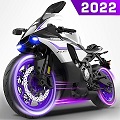
Speed Moto Dash:Real Simulator delivers a focused mobile motorbike experience that combines arcade pace with realistic handling cues. From the first ride you get strong, readable visuals and responsive feedback: short, intense runs are balanced against a progression loop that rewards clean riding and route knowledge rather than endless grinding.
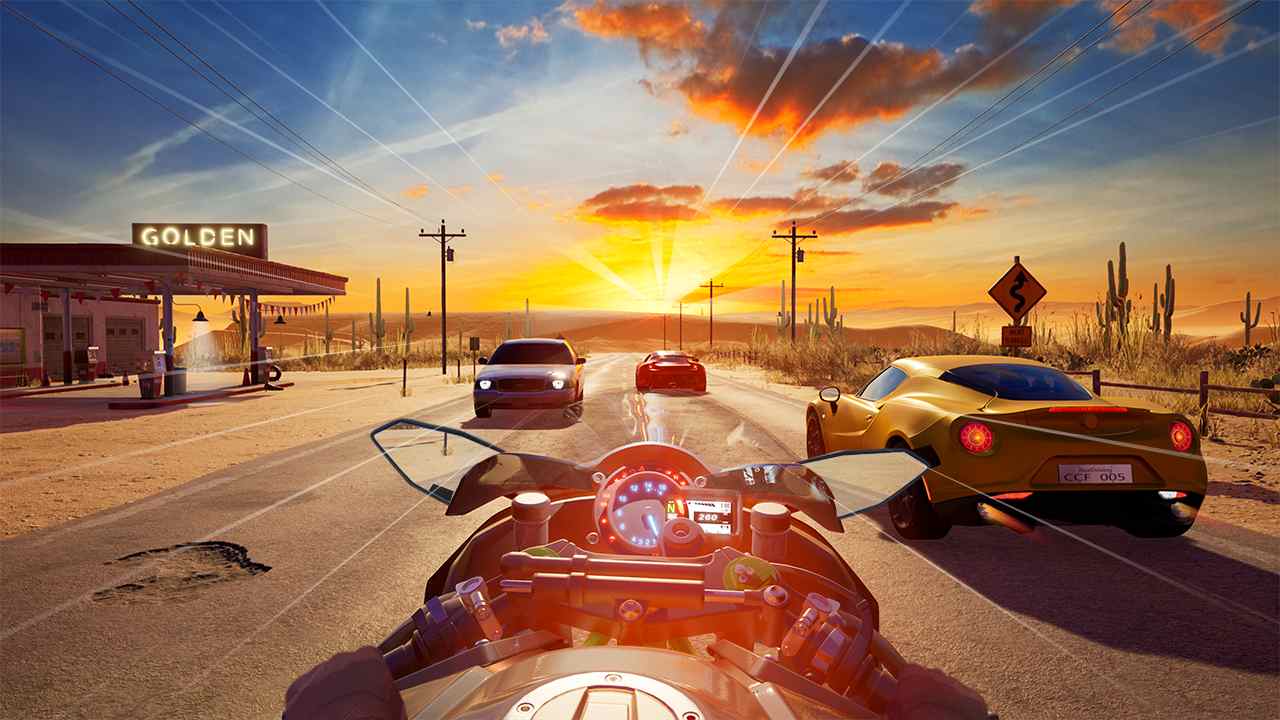
The gameplay centers on three interacting systems: handling, momentum, and environmental interaction. Steering and braking are tuned so that momentum matters — entering a corner at speed requires planning and braking rather than twitch reactions. Traffic behaves as dynamic obstacles rather than static cones, creating emergent challenges where timing and lane choice can open up a faster line. Stunt opportunities are present but optional; they serve both as risk-reward moments and as a way to shave seconds when you learn the maps.
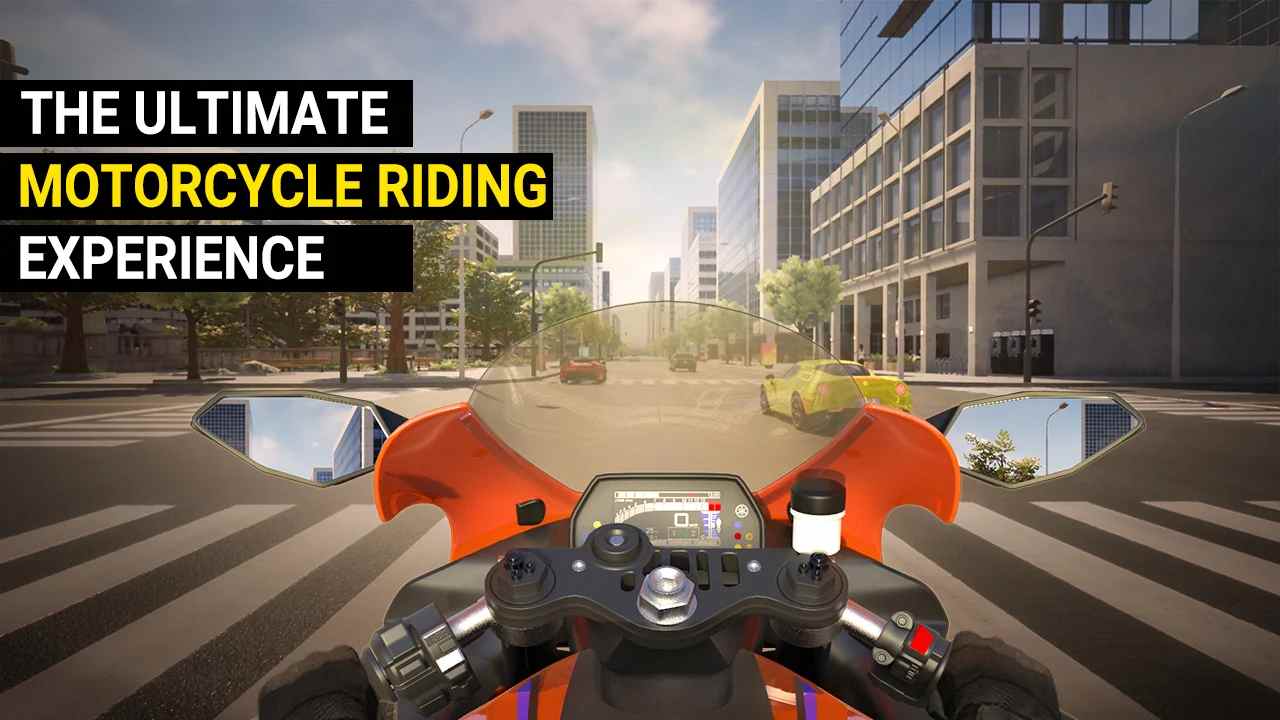
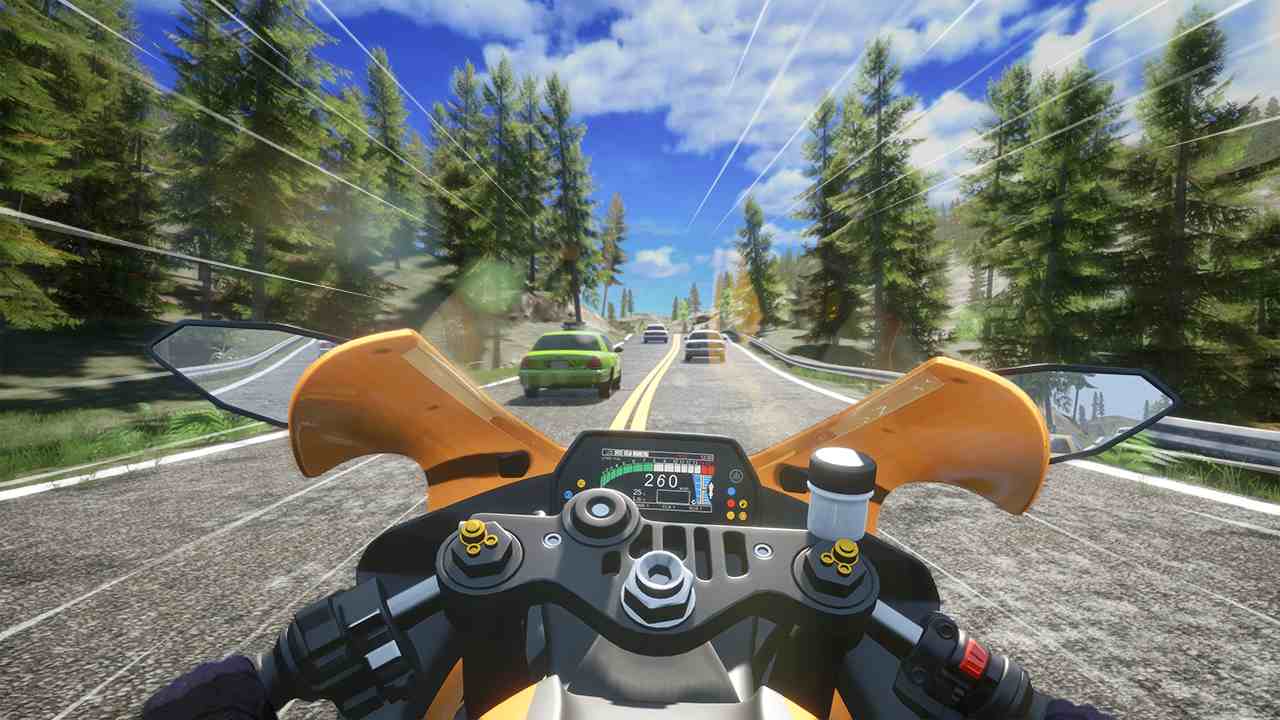
Multiple control schemes make the title approachable on a variety of devices. Choose between tilt steering, on-screen buttons, or a virtual joystick and adjust sensitivity to match how you prefer to ride. The UI keeps vital information visible but uncluttered: speed readout, target time, and brief objective markers appear without obscuring the road. Accessibility options let you reduce visual clutter and tweak input responsiveness so players with different comfort levels can find a setup that works.
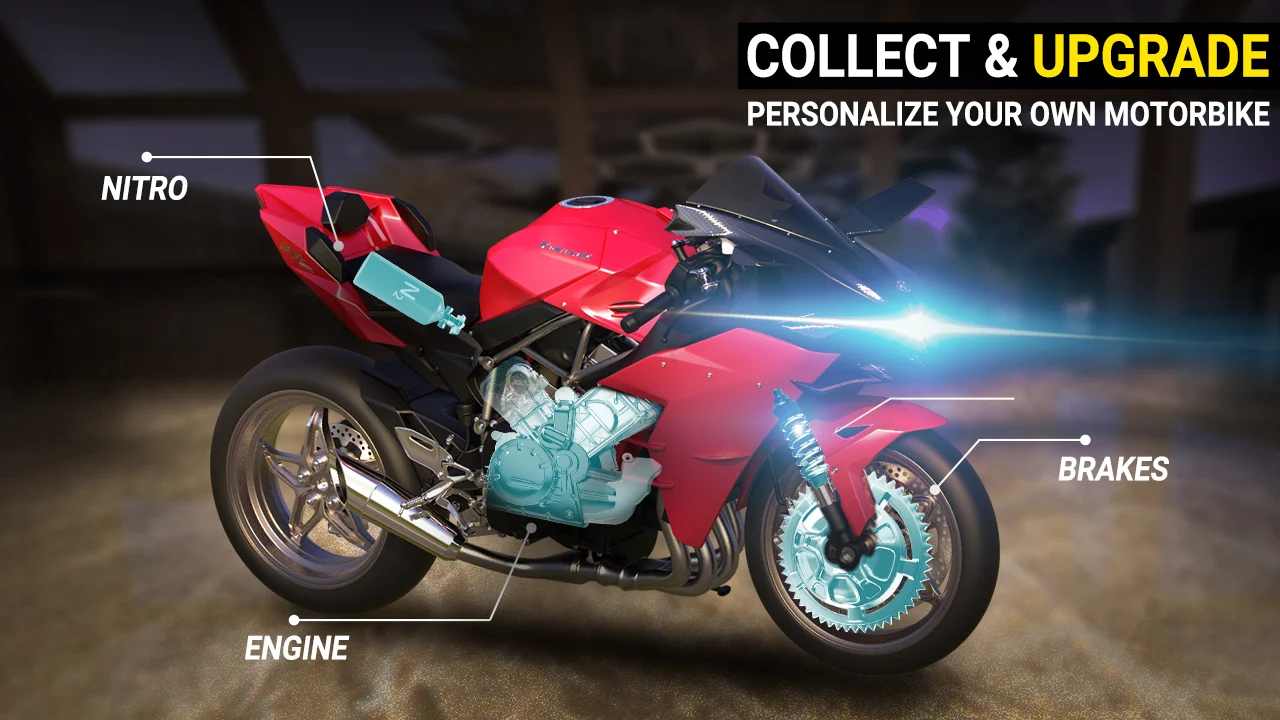
Progress is earned through objectives and timed runs that drop currency and parts. Upgrades modify acceleration, top speed, handling, and durability so you can tailor a bike for short technical circuits or long high-speed straights. The economy is designed to favor skill: completing objectives and improving sector times yields meaningful rewards, and the best parts are unlocked by demonstrating mastery rather than purely by playtime. Speed Moto Dash:Real Simulator encourages incremental improvement with clear upgrade paths and short-term goals that feed long-term progression.
Bikes are more than paint jobs. You can change handlebars, exhaust, tires, and fairings; many of these items affect handling and feel in small but noticeable ways. Cosmetic options, decals, and rider outfits let you keep a distinct look on leaderboards and ghost runs. Customization is presented simply so new players can experiment quickly, while deeper trade-offs become apparent as you tune a machine to a specific track or strategy.
Maps range from tight urban grids with sharp junctions to wide coastal highways that reward top speed. Designers include visible shortcuts and a number of off-ramp lines that savvy players can exploit. Environmental hazards such as construction zones, slick surfaces, and narrow alleys change how you approach a route, and well-placed landmarks help with learning lines. Short runs, combined with varied map hazards, create a structure that is friendly to both quick sessions and deliberate practice.
The visual approach prioritizes clarity and consistent frame rates over photo-realism. Motion blur, lighting cues, and tuned camera behavior provide a convincing sense of speed while textures and effects remain optimized for mid-range phones. Sound design focuses on engine tone, skids, and ambient traffic to support immersion without overwhelming the mix. Performance settings allow players to reduce particle effects to maintain smooth frame rates on lower-end devices.
Replayability comes from leaderboards, ghost runs, and a compact challenge structure. Asynchronous leaderboards let you compare times and learn from the fastest runs, while ghost replays make it easy to see alternative lines. Regular timed events and rotating challenges introduce short-term goals and fresh rewards, encouraging you to refine setups and learn map-specific tricks rather than rely on brute force upgrades.
The core single-player experience is fully playable offline, letting you practice routes, tune bikes, and play time-attack runs without a network connection. Asynchronous leaderboards and seasonal events update when you connect, but most progression, customization, and training tools are available locally so you can ride anywhere. Menus are streamlined for quick access to tutorials, upgrades, and events so new players spend less time navigating and more time riding.
Begin with the tutorial to get a feel for brake modulation and weight transfer. Early upgrades should prioritize handling and braking to improve cornering stability. Use traffic gaps as momentum tools rather than hazards; predicting flow creates slingshot opportunities. Practice shortcuts in casual runs before attempting time trials, and experiment with tire and gearing swaps to match a bike to the map. With practice, the incremental gains add up and Speed Moto Dash:Real Simulator rewards curiosity, clean lines, and thoughtful tuning.
Farm Town: Merge Cozy Village
Size:177.00M SimulationSpeed Moto Dash:Real Simulator
Size:255.00M SimulationMA 2
Size:85.22M SimulationStates Builder: Trade Empire
Size:105.18M SimulationLEGO® Juniors Create & Cruise
Size:72.90M SimulationParadise Lust 3
Size:2178.00M SimulationJoy Pony
Size:20.40M SimulationStuck with My Ex’s Family and Zombies!?
Size:270.00M SimulationFreshman
Size:177.00M SimulationHomo Evolution
Size:48.00M SimulationThe Boss is Cumming
Size:298.00M SimulationHell Inc.: Tycoon Clicker Game
Size:52.40M SimulationApril 2024 Clash of Clans Update: Unveiling a Fresh Companion, Enhanced Levels, Chat Tagging, and Be
2024-04-16Arrival of Genshin Impact 4.6 Update: 'Embers of Two Realms, Twilight of Crimson'
2024-04-16V2.2 of the Farlight 84 update introduces an overhauled Season structure, fresh in-game currency, an
2024-04-16Monster Never Cry is now accessible on both Android and iOS mobile devices.
2024-04-18PUBG Mobile Teams Up with Bentley Motors: Luxury Cars, Exclusive Collectibles, and Beyond
2024-04-18March 2024 Free Redemption Codes for Honkai: Star Rail
2024-04-18