English
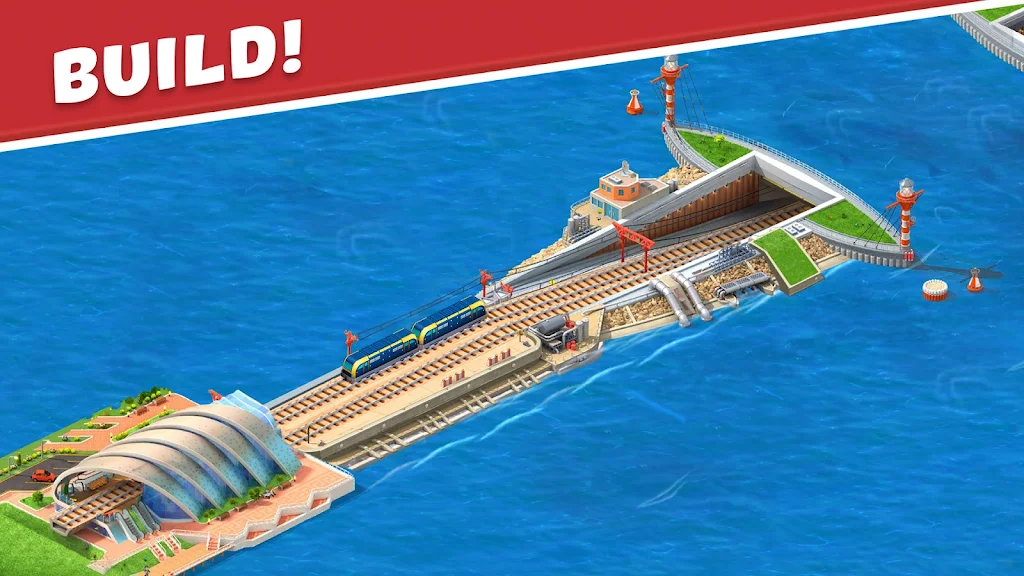
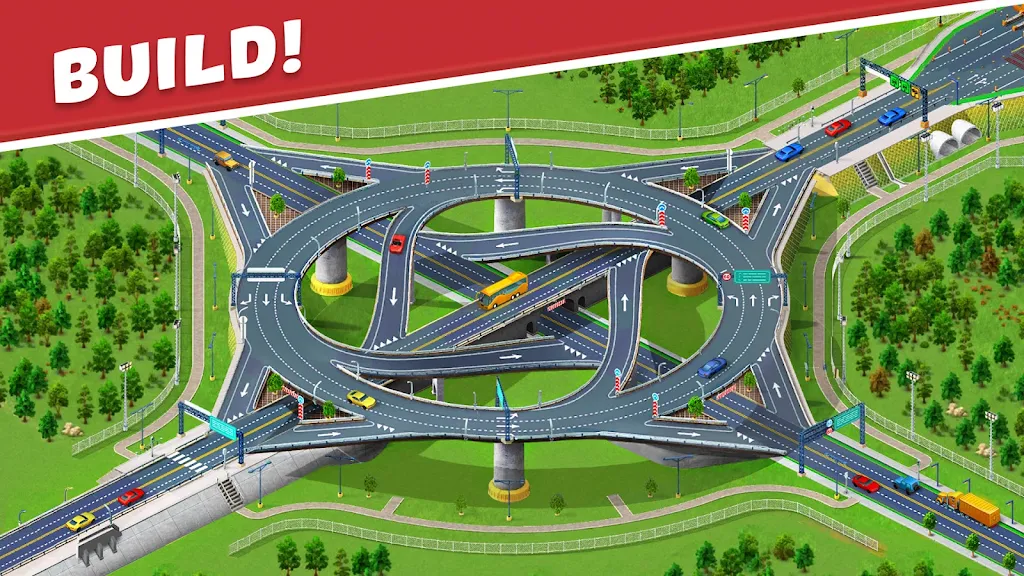
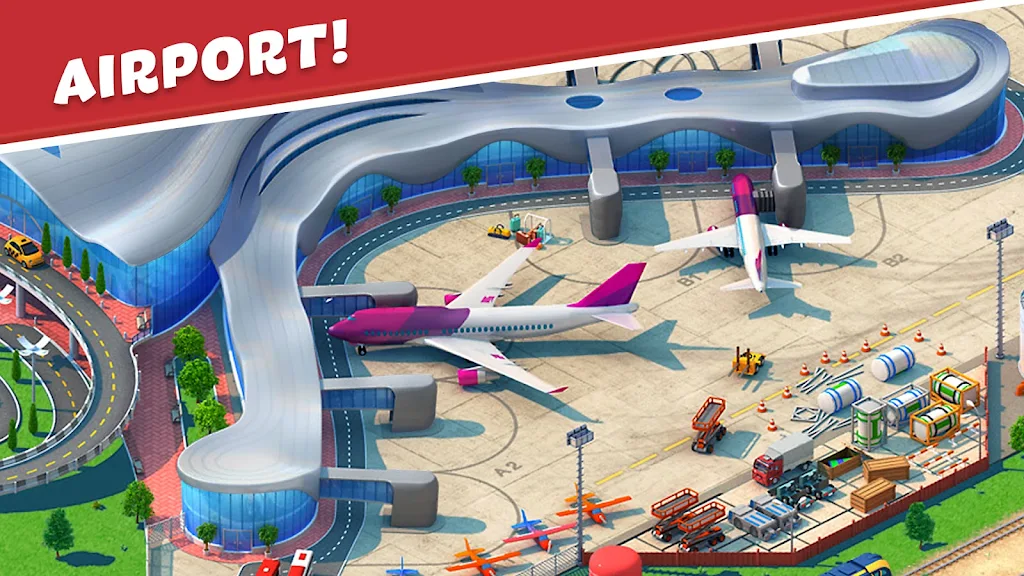
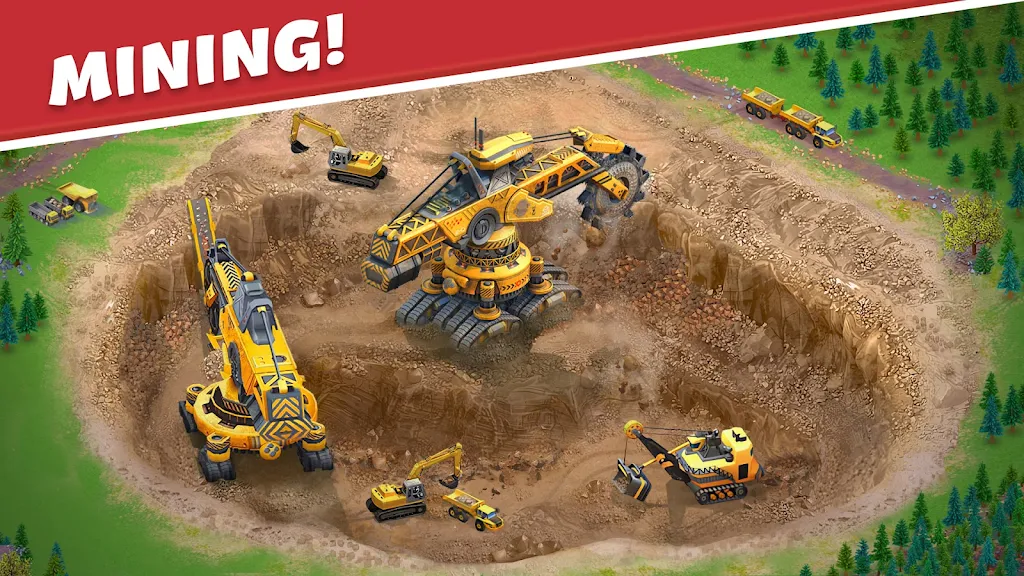
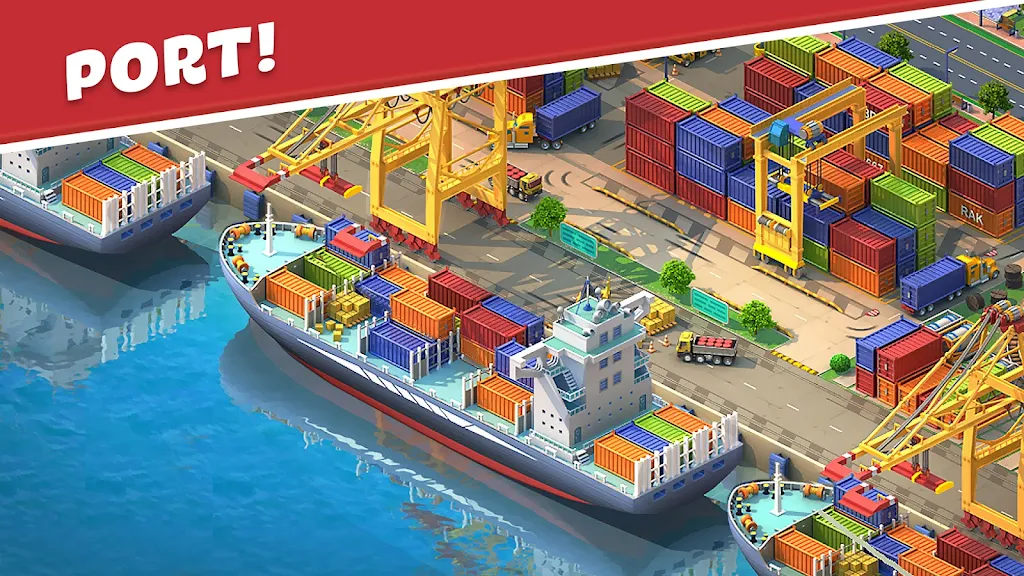
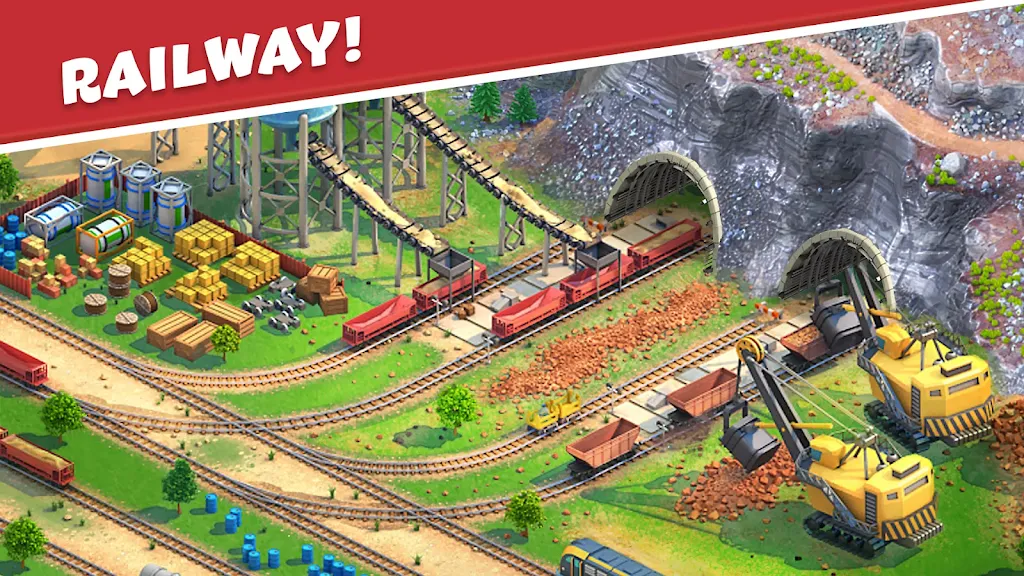
Global City: Building Games is a city-building simulator that invites players to design, manage and expand a modern metropolis with detailed visuals and layered economic systems. In Global City: Building Games you plan neighborhoods, place skyscrapers, develop transport hubs such as ports and railways, and organize production chains that convert raw resources into manufactured goods and exportable commodities. The core loop emphasizes strategic placement, resource balancing and long-term growth while offering quests and orders that guide progression without forcing a single play style.
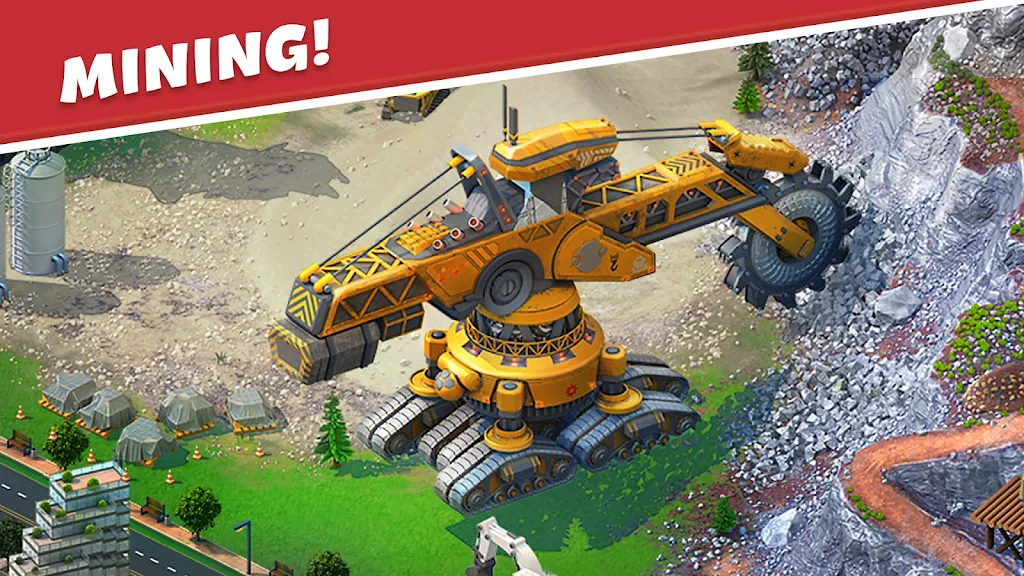
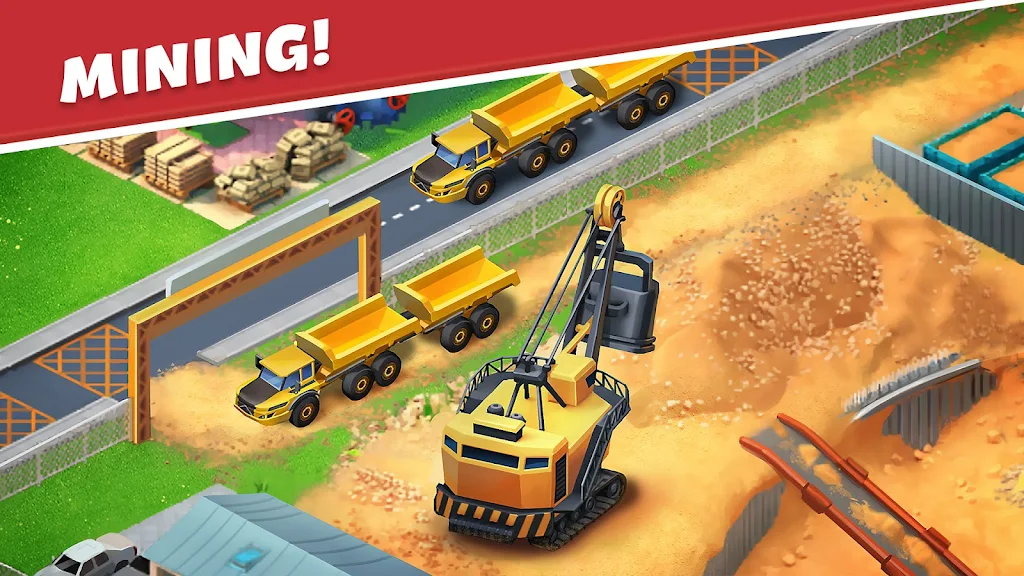
Global City: Building Games presents a combination of construction, logistics and market mechanics. Players extract and process materials, run factories and assemble products that feed local demand or are prepared for trade. The game includes a blueprint and upgrade system for buildings, a marketplace for commodity trading, and cooperative mechanics that let communities pool resources for shared projects. Visuals emphasize hi-tech architecture and distinct district identities so each area of a city can feel purposeful and different.
Gameplay focuses on clear touch-driven controls designed for mobile devices: drag to pan the map, pinch to zoom for close-up placement and overview planning, and tap to select buildings or open management panels. Building placement and road planning respond to a grid and snapping system to simplify alignment, while contextual menus display production rates, maintenance costs and upgrade options. Quests and orders are integrated into the UI so players can track short-term tasks alongside long-term goals, and tooltips explain icons and resource flows to reduce the learning curve.
Progression in Global City: Building Games is driven by expanding production lines, unlocking blueprints and upgrading facilities. Players unlock new building types and efficiency upgrades as they complete city orders, trade successfully and invest in research paths that improve output or lower costs. Customization options include choosing building skins or architectural styles for districts, designating specialized zones such as industrial, commercial or residential quarters, and configuring transport links to optimize throughput. The progression system rewards planning and incremental optimization rather than rapid microtransactions.
The visual presentation emphasizes detailed structures and readable information at multiple zoom levels so a player can appreciate both street-level detail and an overall city silhouette. Districts can be composed to reflect different aesthetics, from dense financial centers to expansive port complexes and rail yards. The game organizes activity into scenarios and repeating objectives: daily or weekly orders, timed events and community goals that provide a rhythm of challenges without disrupting a player’s carefully built metropolis.
Social mechanics allow players to form communities, exchange resources and cooperate on larger ambitions. In-game chat and trading are presented primarily in English, which facilitates coordination but may limit some players; community features are optional so solo planners can still focus on single-city optimization. Replay value comes from experimenting with different industrial specializations, competing indirectly through event leaderboards and adjusting city designs to meet changing market demands and quests.
Global City: Building Games is optimized for touch devices and aims to be approachable while offering depth for experienced players. The interface uses clear icons, scalable zoom and descriptive tooltips to help new players learn the mechanics. A stable internet connection is required for multiplayer features, trading and community events, so offline play is limited and core online systems will not function without connectivity. Device performance can vary with large cities, so occasional frame-rate adjustments or graphic settings may be useful on older hardware.
Focus early on establishing reliable production chains and efficient transport links, then use blueprints and upgrades to reduce bottlenecks. Balance residential growth with employment opportunities so population increases support industrial demand, and consider specializing districts to maximize resource output. Participate in community events to access trading partners and pooled rewards, and use quests and city orders to accelerate key upgrades. Thoughtful planning and incremental expansion are the most consistent paths to a thriving modern metropolis in Global City: Building Games.
Farm Town: Merge Cozy Village
Size:177.00M SimulationSpeed Moto Dash:Real Simulator
Size:255.00M SimulationMA 2
Size:85.22M SimulationStates Builder: Trade Empire
Size:105.18M SimulationLEGO® Juniors Create & Cruise
Size:72.90M SimulationParadise Lust 3
Size:2178.00M SimulationJoy Pony
Size:20.40M SimulationStuck with My Ex’s Family and Zombies!?
Size:270.00M SimulationFreshman
Size:177.00M SimulationHomo Evolution
Size:48.00M SimulationThe Boss is Cumming
Size:298.00M SimulationHell Inc.: Tycoon Clicker Game
Size:52.40M SimulationApril 2024 Clash of Clans Update: Unveiling a Fresh Companion, Enhanced Levels, Chat Tagging, and Be
2024-04-16Arrival of Genshin Impact 4.6 Update: 'Embers of Two Realms, Twilight of Crimson'
2024-04-16V2.2 of the Farlight 84 update introduces an overhauled Season structure, fresh in-game currency, an
2024-04-16Monster Never Cry is now accessible on both Android and iOS mobile devices.
2024-04-18PUBG Mobile Teams Up with Bentley Motors: Luxury Cars, Exclusive Collectibles, and Beyond
2024-04-18March 2024 Free Redemption Codes for Honkai: Star Rail
2024-04-18