English
Mortal Company drops you and up to five other players into short, tense scavenging runs on abandoned industrial moons where survival and profit are both mission priorities: gather scrap to meet a Company profit quota, extract before nightfall, and avoid the creatures and hazards that emerge after dark. The core loop is straightforward but unforgiving—each run is an opportunity to improve equipment, learn enemy behavior, and refine team roles—and Mortal Company is built around repeatable missions that reward planning and coordination rather than long solo campaigns.
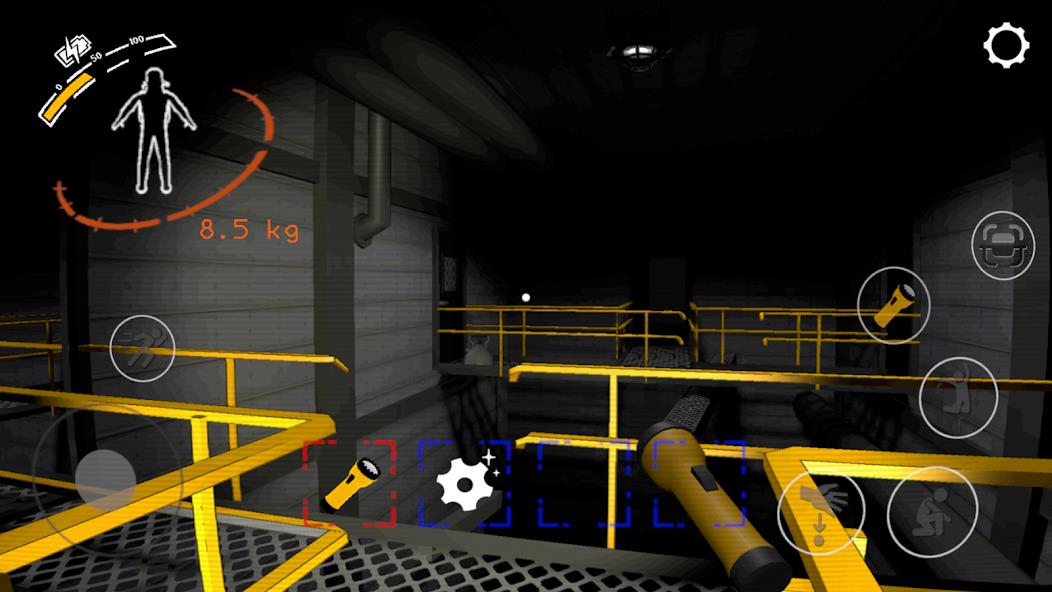
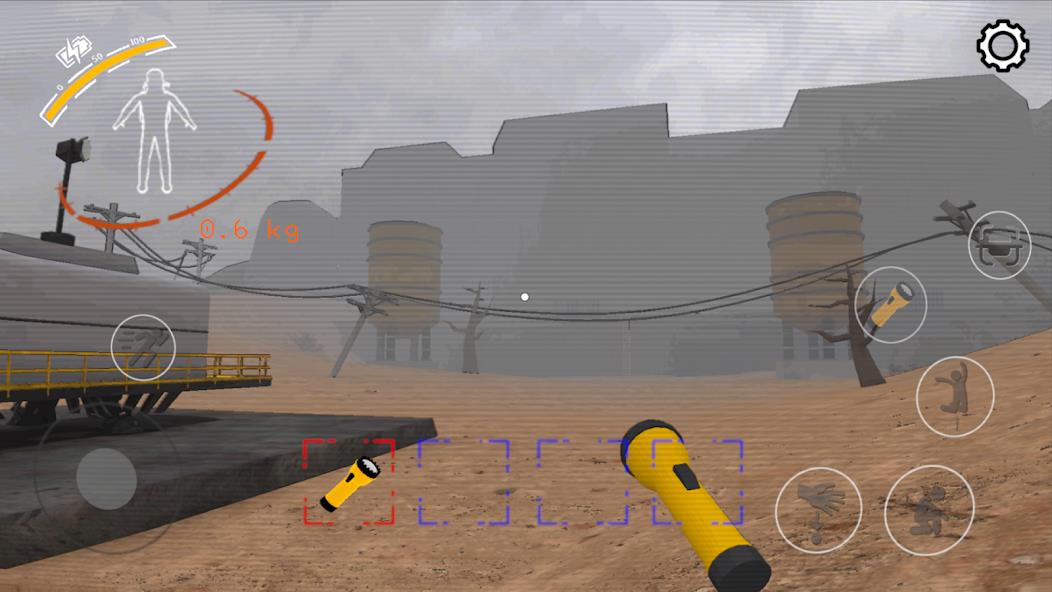
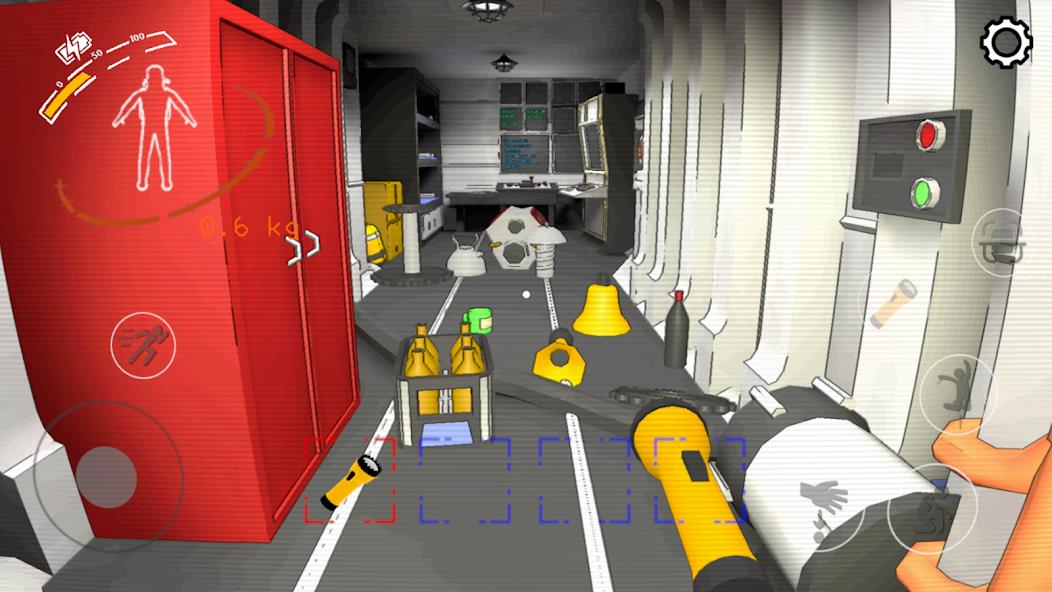
This title supports 1–6 player cooperative runs in which teams balance time, loot, and safety to reach profit targets. Environments combine open, desolate exteriors with tight, derelict industrial interiors where environmental hazards, collapsing structures, and hidden caches create decisions at every turn. Equipment and tools such as radar, lights, shovels, walkie-talkies, and stun grenades provide tactical options, and a scan mechanic records encountered lifeforms in an in-game bestiary that helps you anticipate threats on future missions. Ship and suit options let you change both survivability and visual style between runs.
Each mission sets an explicit profit quota and a limited time window before nightfall increases enemy activity; players must choose whether to push for extra scrap, risk a later extraction, or trade early for safety. Resource management is central: scrap serves as both currency and mission score, while consumable tools and suit upgrades influence how a team approaches an objective. Creature encounters are situational—some are attracted to light, others react to sound—and the game encourages spatial awareness, stealth approaches, or coordinated distractions depending on your crew composition. Mortal Company emphasizes emergent moments where small mistakes cascade into tense evacuations and improvised teamwork.
The control scheme is designed for clarity on mobile devices: context-sensitive actions let you interact with objects, pick up salvage, or use tools without frequent menu navigation, and quick-access slots keep critical items available during high-pressure situations. Input options are intended to suit a range of players, with adjustable sensitivity for movement and camera, a streamlined tool wheel for fast selection, and optional controller compatibility on supported devices. Accessibility considerations include scalable HUD elements, subtitles and prompt text for important audio cues, and configurable difficulty or assist settings to help players focus on strategy rather than precise mechanical execution.
Progression in the game is persistent between runs: scrap earned from successful extractions funds upgrades at the Company store, where you can improve suit durability, purchase better tools, and outfit your ship with cosmetic accessories and practical modules. Ship customization affects how you approach the campaign by offering incremental benefits—improved deploy times, extra storage, or enhanced scanning—while suit upgrades provide tangible survivability that changes playstyle. Players choose which systems to prioritize, creating distinct roles within a crew such as scout, technician, or heavy extractor, and these choices shape long-term progression and tactical diversity within Mortal Company.
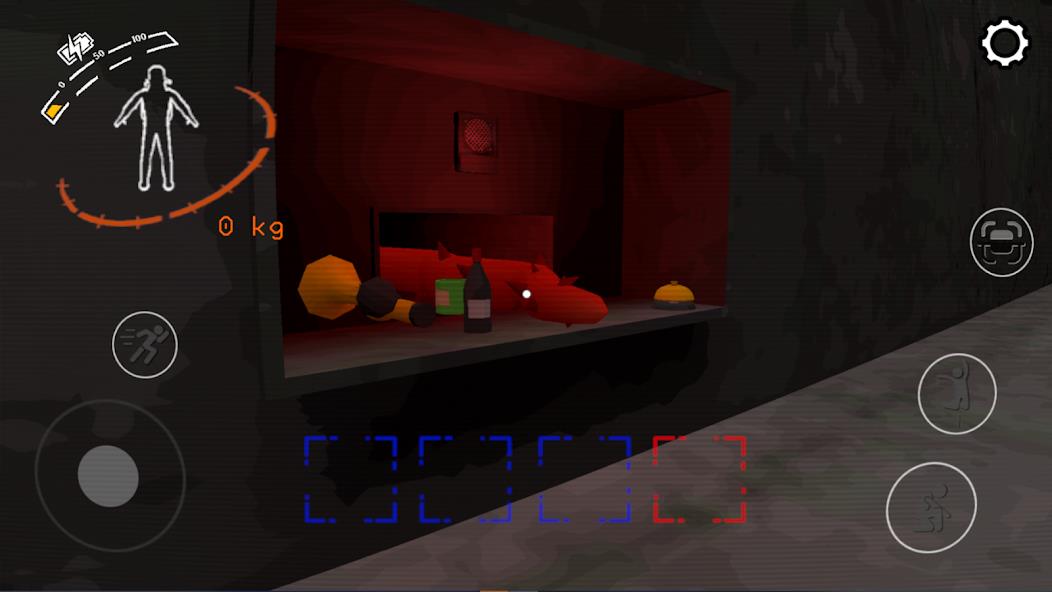
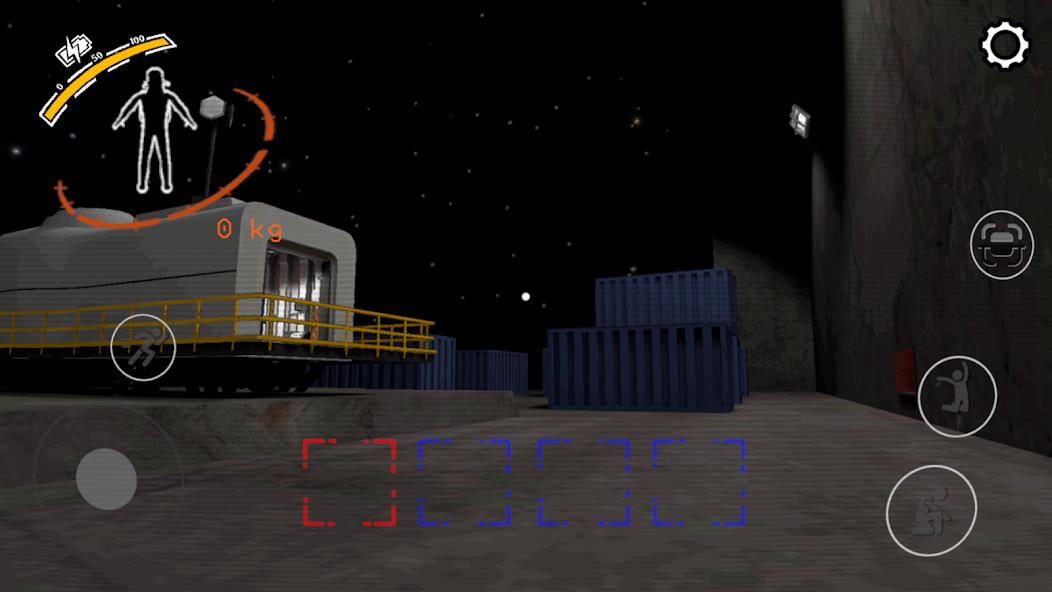
The aesthetic leans into stark, industrial sci-fi with muted palettes punctuated by emergency lighting and the glow of salvage flares. Levels are presented as short, mission-focused maps that combine handcrafted layouts with variable elements and enemy placements so runs feel familiar yet unpredictable. Outdoor moonscapes offer long sightlines and environmental hazards like toxic clouds or unstable surfaces, while interior ruins present close-quarters tension, vertical traversal, and hidden maintenance passages that reward exploration and careful scanning.
Replayability comes from the risk-reward framework: higher-tier moons raise quotas and creature aggression in exchange for larger payouts and rarer upgrades. Teams experimenting with different equipment sets and coordination strategies will encounter new problem-solving scenarios, and the game's difficulty curve is intentionally steep at higher risks to keep each decision meaningful. Solo players can run missions alone, but cooperative play remains the safest and most reliable way to tackle the toughest objectives, highlighting communication and role specialization as key success factors.
Session lengths are tuned for mobile use, with many missions completable in short bursts and a clear sense of progress between runs to accommodate casual and dedicated players alike. The design supports solo offline play for those who prefer to test strategies alone, while multiplayer runs offer richer tactical possibilities; regardless of mode, persistent upgrades and a visible progression path create long-term goals. The interface aims to reduce friction during matching and mission setup so players can focus on exploration, teamwork, and the atmospheric challenge of each extraction.
Caravan SandWitch
Size:828.93M Shooting#BLUD
Size:3942.00M ShootingRioRise
Size:179.52M ShootingDésiré
Size:2.00M ShootingBall Blast Cannon blitz mania
Size:84.60M ShootingMinions Horror
Size:421.80M ShootingKiss of Sin: Rewinding Flame
Size:903.00M ShootingCane and Able
Size:268.00M ShootingCubeCrafter
Size:156.10M ShootingCursed Forest Quest
Size:794.00M ShootingThe Innocent
Size:235.00M ShootingThirsty Society
Size:558.46M ShootingApril 2024 Clash of Clans Update: Unveiling a Fresh Companion, Enhanced Levels, Chat Tagging, and Be
2024-04-16Arrival of Genshin Impact 4.6 Update: 'Embers of Two Realms, Twilight of Crimson'
2024-04-16V2.2 of the Farlight 84 update introduces an overhauled Season structure, fresh in-game currency, an
2024-04-16Monster Never Cry is now accessible on both Android and iOS mobile devices.
2024-04-18PUBG Mobile Teams Up with Bentley Motors: Luxury Cars, Exclusive Collectibles, and Beyond
2024-04-18March 2024 Free Redemption Codes for Honkai: Star Rail
2024-04-18