English
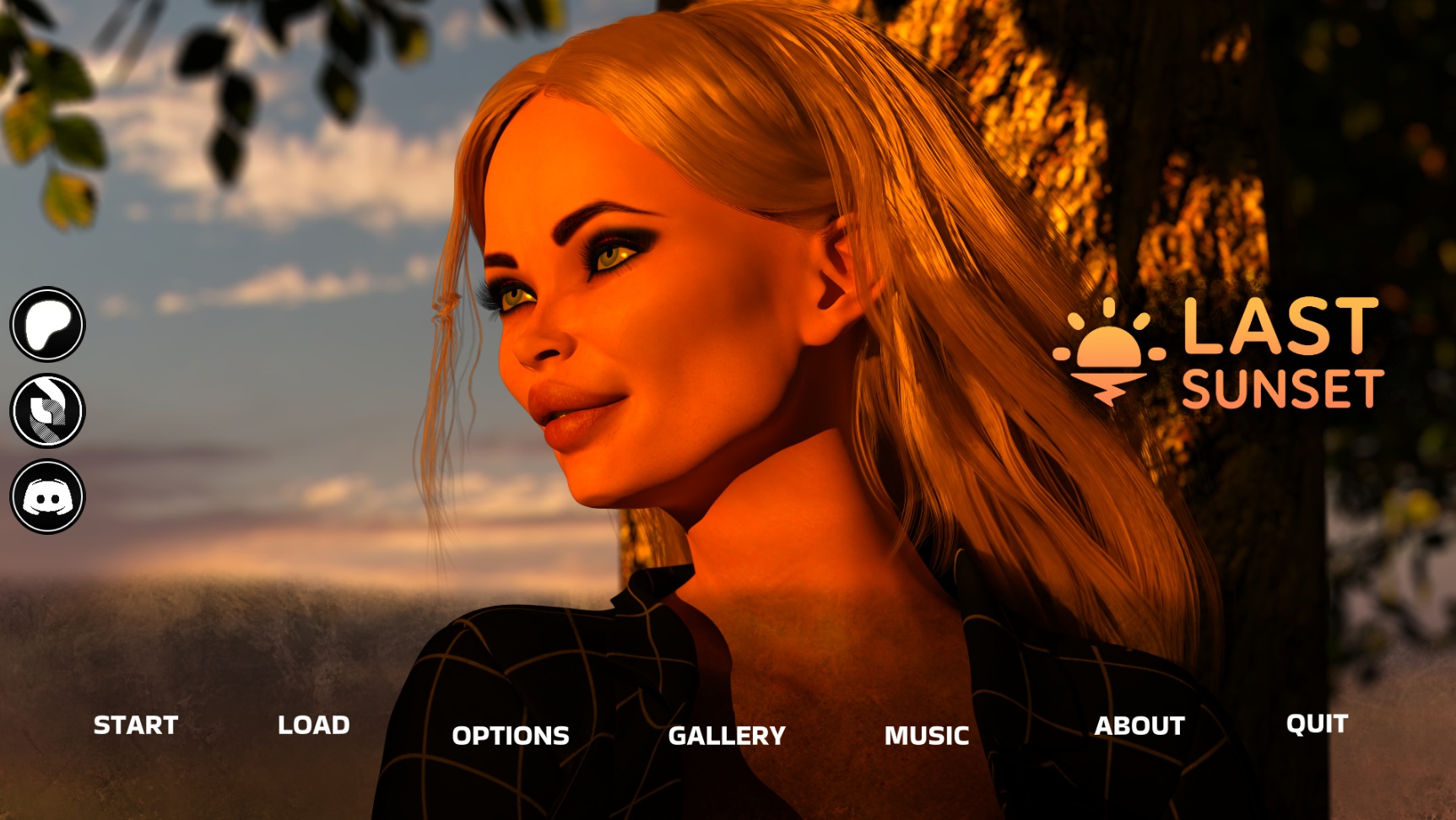
Last Sunset places you in the fragile world of a university student rebuilding life after a tragic motorcycle accident that claimed his girlfriend, and it sets the tone for a slow-burning psychological horror experience where atmosphere and discovery drive every moment. In Last Sunset you start at a new campus looking for a fresh start, but subtle clues, unsettling encounters, and strained relationships make it clear that the past will not stay buried. The opening hours focus on exploration and dialogue, with investigation mechanics that reward careful observation and patient reconstruction of fragmented memories.
The gameplay in Last Sunset emphasizes investigation, conversation, and environmental exploration rather than action-based combat. Movement and interaction are designed for touch screens: tap to move, tap to investigate objects or examine a scene, and choose dialogue options with a single touch. The user interface groups investigation tools and discovered clues into an accessible in-game notebook where key items and notes are stored for later review. Interaction prompts are contextual, and an optional highlight assist helps players locate important objects without undermining the challenge. Decision windows are deliberate rather than frantic; some moments require quick judgment while most choices benefit from reflection, reinforcing the narrative tension.
Progress unfolds across a chapter-based structure that mirrors the academic calendar and the protagonist’s internal timeline. Each chapter introduces new locations on campus, additional characters to interview, and deeper layers of the mystery. Progression is shaped by what you choose to investigate and whom you trust, so different avenues of inquiry unlock different pieces of the story. Challenge comes from piecing together fragmented clues, making sense of contradictory accounts, and deciding how to respond in emotionally charged encounters. Optional investigatory objectives and environmental puzzles present varying levels of difficulty and can be skipped or pursued to alter the amount of information revealed.
Last Sunset leans on a moody visual palette and restrained lighting to sustain a sense of unease; campus interiors, quiet dorm corridors, and shadowed exterior spaces are rendered to emphasize atmosphere rather than spectacle. The presentation favors cinematic framing, subtle camera shifts during key conversations, and detailed props that reward close inspection. Sound design plays a central role: layered ambient audio, discrete audio cues tied to important objects, and a sparse music score heighten tension and complement the pacing of investigation. These elements work together to create an immersive sensory experience that keeps narrative focus at the fore.
Choice matters in Last Sunset, and replayability is supported by branching storylines and multiple revelations tied to the player’s approach. Decisions about whom to confront, which clues to prioritize, and how openly to share information produce different relationship dynamics and unlock alternative outcomes. Rather than relying on extraneous modes, replay value stems from exploring different investigative paths, discovering overlooked evidence, and seeing how shifting loyalties change the pace and shape of the truth that emerges.
The game offers adjustable settings to make the experience comfortable for a range of players: scalable text size, subtitle options, audio level controls, and a togglable hint system for players who want aid tracking key objectives. Control sensitivity and visual contrast options help tailor presentation on varying devices. The UI is designed to be straightforward and unobtrusive so you can focus on story beats and environmental detail rather than menu navigation. Loading is kept minimal between chapters to maintain immersion, and save points allow players to manage session length around real-life schedules.
Last Sunset is a single-player, primarily offline experience that does not require persistent internet access to play standard story content, making it suitable for travel or intermittent connectivity. Performance scales across supported devices with settings to balance visual fidelity and smooth frame rates. Because the game relies on narrative and atmosphere more than high-end rendering, it runs well on a broad range of modern phones and tablets while providing options to conserve battery and storage.
Take your time to examine scenes and re-read notebook entries after major revelations; small details can change how you interpret a character’s motives. Use the optional highlight or hint settings if you prefer to maintain story flow without missing essential clues, and experiment with different lines of questioning on subsequent playthroughs to access alternate information. Last Sunset rewards patient observation and thoughtful decision-making, and the more you explore, the more of the underlying mystery you will uncover.





Caravan SandWitch
Size:828.93M Shooting#BLUD
Size:3942.00M ShootingRioRise
Size:179.52M ShootingDésiré
Size:2.00M ShootingBall Blast Cannon blitz mania
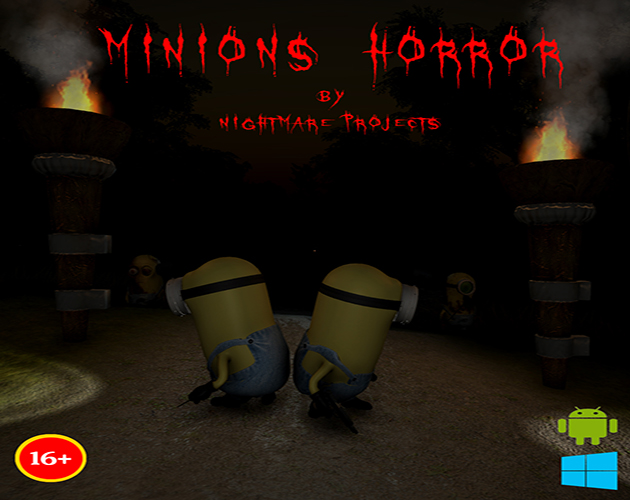
Size:84.60M ShootingMinions Horror
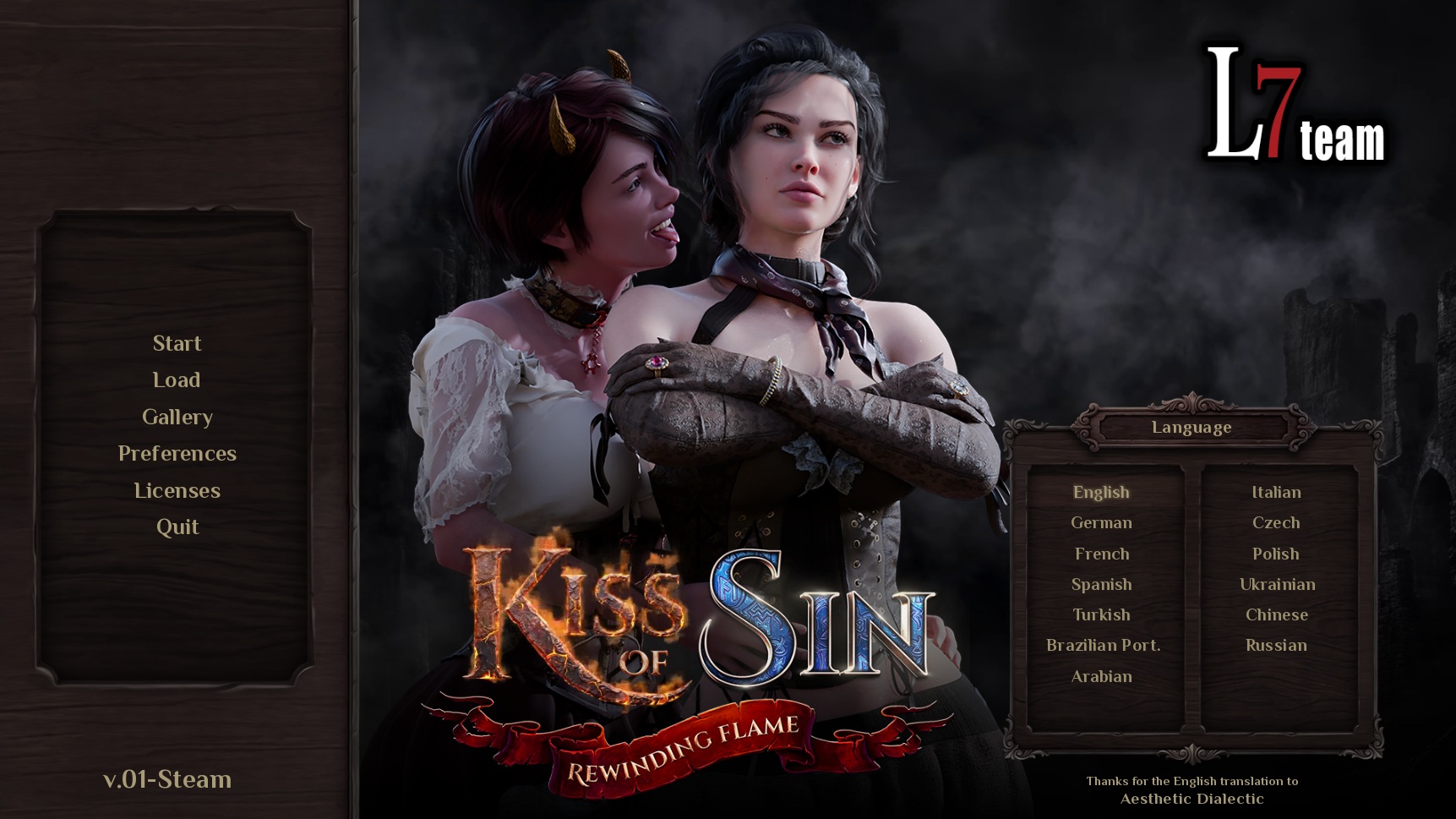
Size:421.80M ShootingKiss of Sin: Rewinding Flame
Size:903.00M ShootingCane and Able
Size:268.00M ShootingCubeCrafter
Size:156.10M ShootingCursed Forest Quest
Size:794.00M ShootingThe Innocent
Size:235.00M ShootingThirsty Society
Size:558.46M ShootingApril 2024 Clash of Clans Update: Unveiling a Fresh Companion, Enhanced Levels, Chat Tagging, and Be
2024-04-16Arrival of Genshin Impact 4.6 Update: 'Embers of Two Realms, Twilight of Crimson'
2024-04-16V2.2 of the Farlight 84 update introduces an overhauled Season structure, fresh in-game currency, an
2024-04-16Monster Never Cry is now accessible on both Android and iOS mobile devices.
2024-04-18PUBG Mobile Teams Up with Bentley Motors: Luxury Cars, Exclusive Collectibles, and Beyond
2024-04-18March 2024 Free Redemption Codes for Honkai: Star Rail
2024-04-18