English
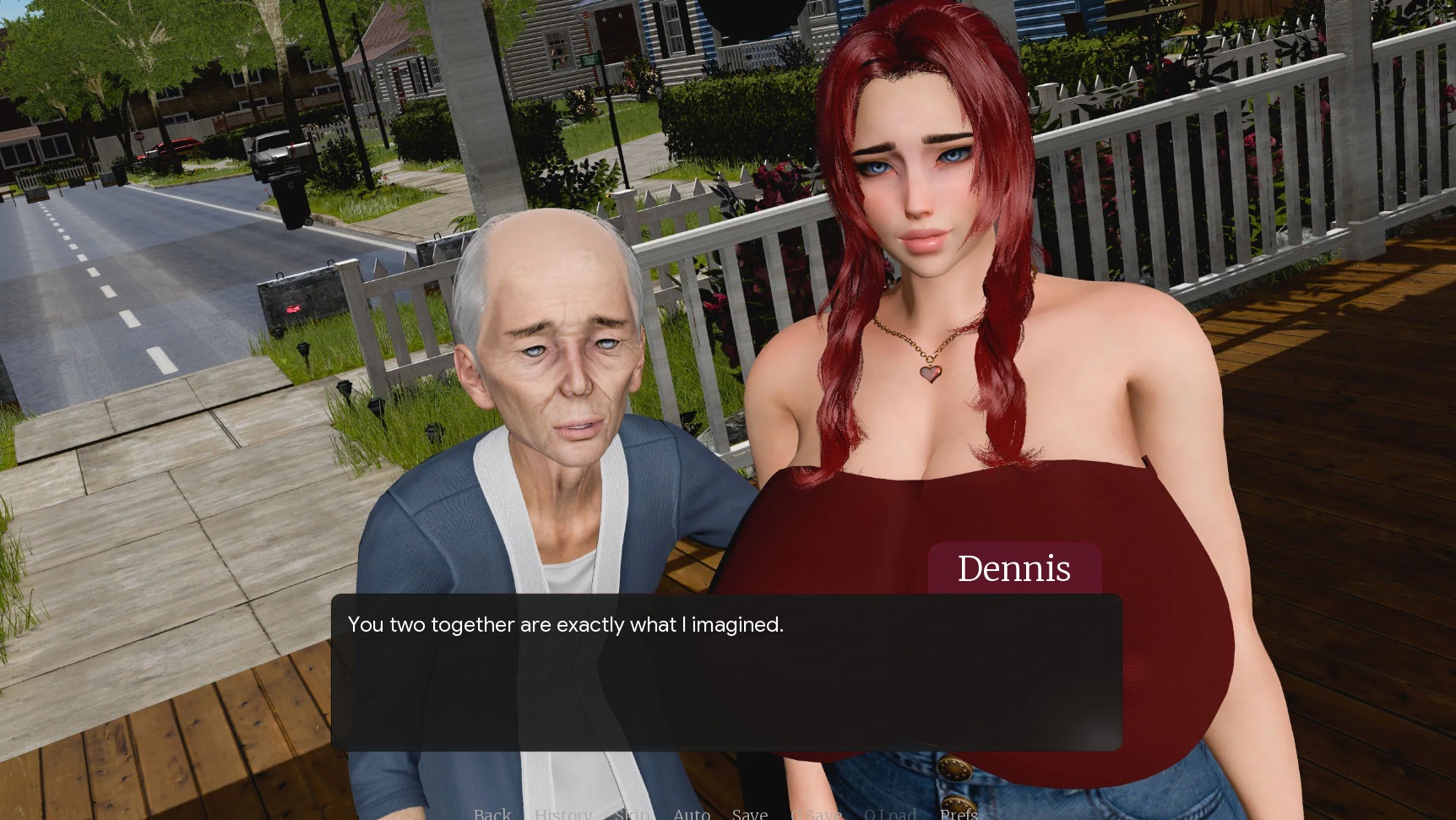
Near To Ruin is an adult, story-driven visual novel that places players in a tense, relationship-focused narrative about temptation and gradual corruption. The game opens with a young couple arriving at an idyllic vacation retreat where emotional strain, new acquaintances, and unexpected desires begin to test loyalty; the opening chapters establish mood, setting, and the slow-burn approach to character development that defines Near To Ruin. Decisions matter here: rather than fast action or minigames, the core experience revolves around dialogue choices, character reactions, and branching scenes that reveal personality and consequence over time.
Gameplay in Near To Ruin centers on choice-led storytelling. Players navigate scenes by advancing text and selecting from dialogue or action options that steer relationships and unlock different narrative threads. The interface is tuned for touchscreen controls—tap to advance, hold to review the backlog, and tap choices to commit to a path—and also supports an auto-read mode for hands-off progression. Behind the scenes, a consequence tracking system records key decisions to shape later encounters; this creates emergent emotional tension rather than punishing skill challenges. The game focuses on meaningful crossroads and moral dilemmas, giving weight to subtle shifts in character dynamics instead of relying on reflex-based mechanics.
Near To Ruin is structured into chapters and self-contained scenes that together form several branching routes. Each chapter builds on earlier choices, so progression depends on exploration and replay as much as linear reading. Save and load facilities let you keep multiple playthroughs, and checkpoints prevent loss of progress during longer sequences. As you follow different routes, you will unlock new scenes and alternative endings; some paths reward patient observation and restraint, while others explore morally ambiguous outcomes. The pacing is deliberately measured to emphasize dialogue and atmosphere, with later chapters deepening conflicts that first appear as small tensions.
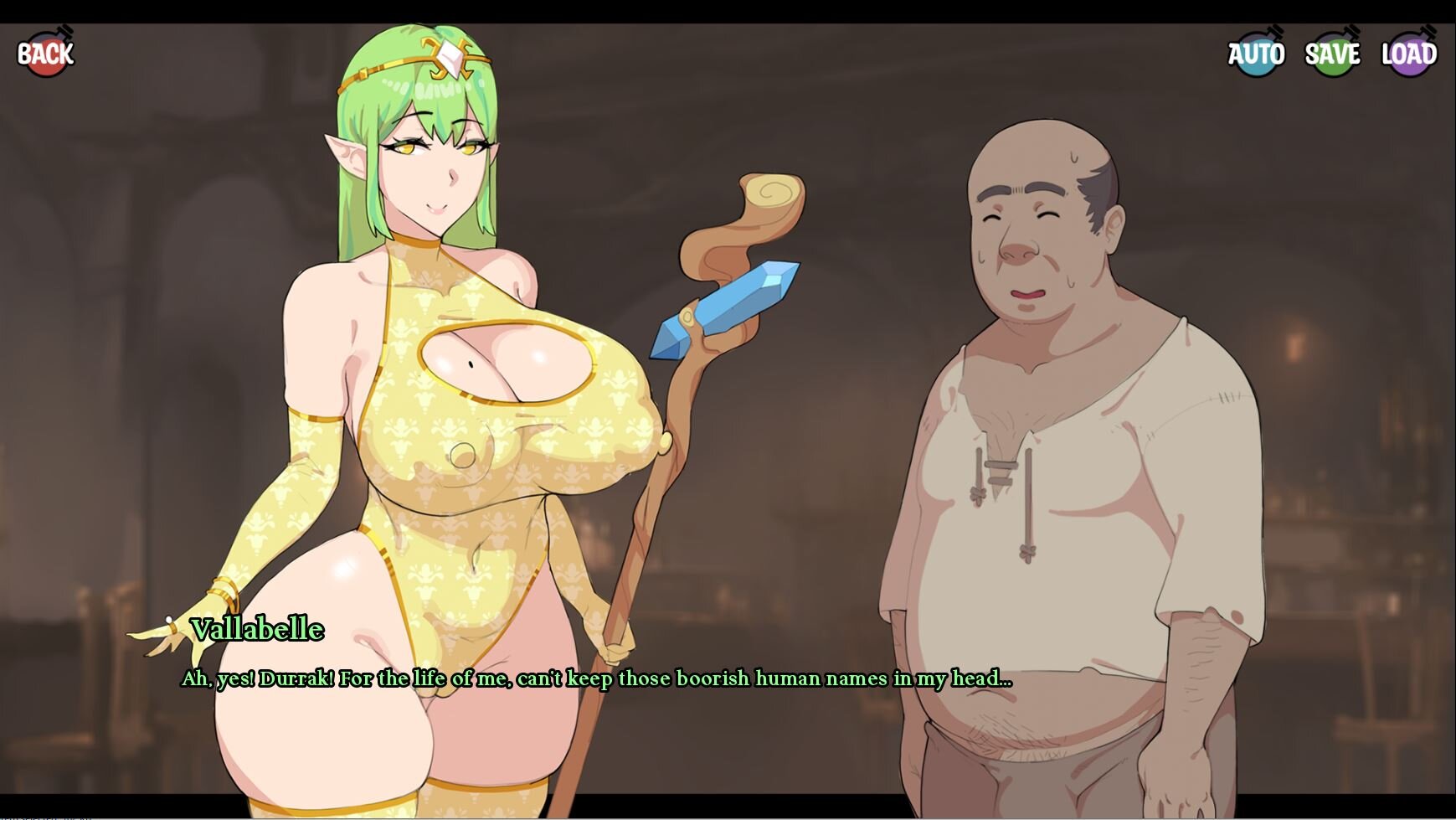
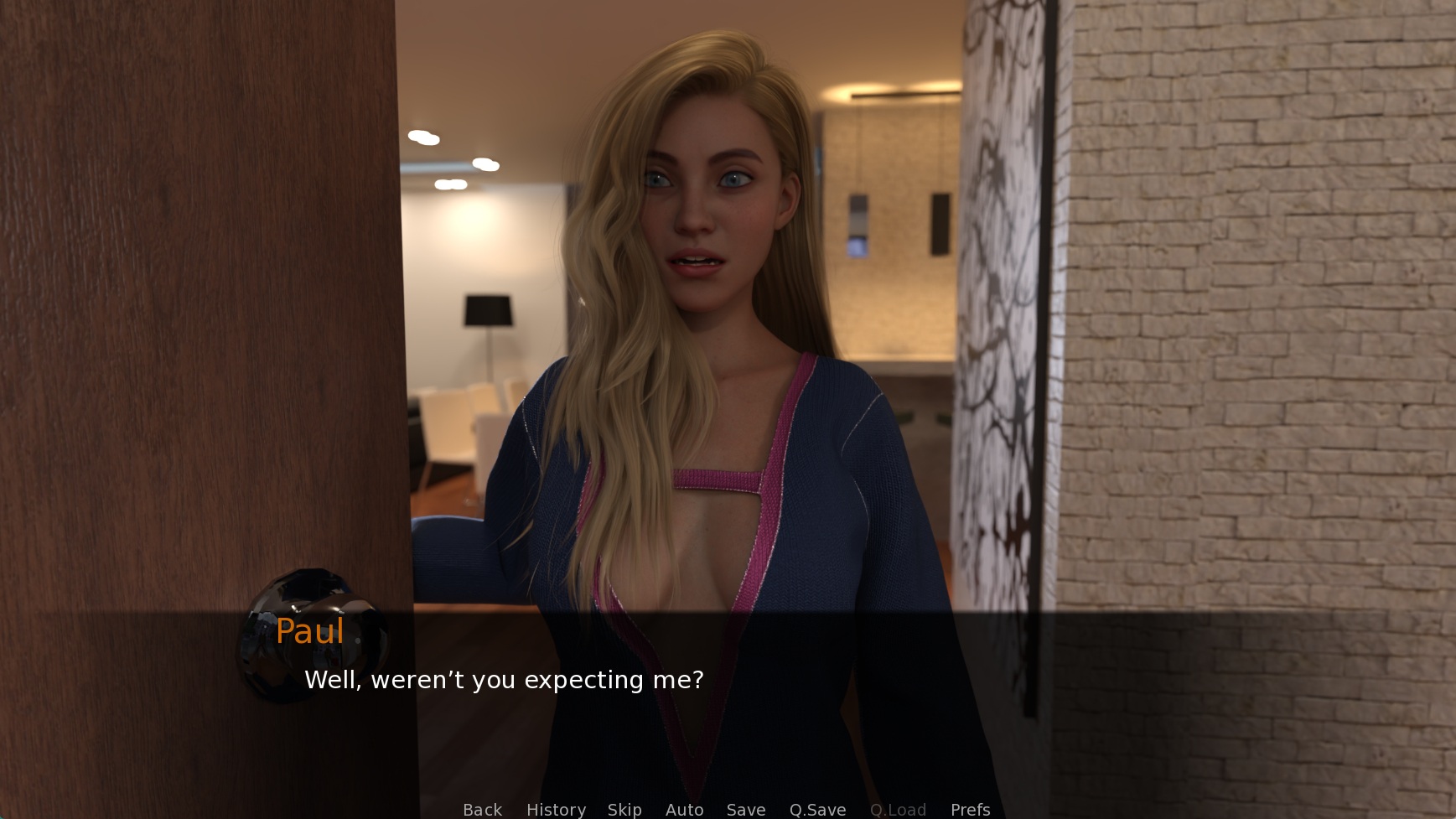
The visual approach favors intimate character portraits, evocative backgrounds, and carefully framed scene composition to convey emotion and setting without graphic detail. Visual cues such as facial expressions and lighting shifts communicate internal states, while occasional special images mark pivotal moments. Sound design supports the mood with ambient music and environmental effects that enhance immersion. The overall presentation aims for a restrained, character-focused aesthetic that complements the narrative’s psychological focus rather than distracting from it.
Near To Ruin includes user-facing options to adjust reading speed, text size, and interface contrast to accommodate different preferences and visual needs. Players can enable an auto mode for continuous reading, control dialogue history to revisit prior exchanges, and manage multiple save slots for parallel narratives. The settings respect accessibility by offering clear typography, adjustable UI scale, and simple control schemes optimized for single-handed operation on mobile devices. These choices help make the narrative more approachable for readers with diverse needs.
Replayability is a core strength: branching routes, alternative endings, and hidden scenes invite multiple playthroughs to see how different decisions reshape relationships and outcomes. One of the routes intentionally remains faithful and low-conflict for players who prefer a vanilla experience, while other paths explore morally complex consequences. The game encourages careful reading and reflective choices rather than trial-and-error, and a built-in gallery and scene history track unlocked content so players can revisit important moments. Overall, Near To Ruin balances a slow-burn narrative with meaningful player agency to reward curiosity and repeat exploration.
The experience is designed to be primarily offline and single-player, which keeps play simple and private on a mobile device. Because the game deals with adult themes and psychological tension, it is intended for mature audiences and includes content advisories where appropriate; it avoids explicit depictions and focuses on character-driven implications. Performance and storage requirements are modest, and the app is optimized for comfortable reading sessions on phones and tablets. If you value emotionally charged storytelling and branching narratives, Near To Ruin offers a measured, replayable visual novel experience that prioritizes atmosphere and character over action.





Caravan SandWitch
Size:828.93M Shooting#BLUD
Size:3942.00M ShootingRioRise
Size:179.52M ShootingDésiré
Size:2.00M ShootingBall Blast Cannon blitz mania
Size:84.60M ShootingMinions Horror
Size:421.80M ShootingKiss of Sin: Rewinding Flame
Size:903.00M ShootingCane and Able
Size:268.00M ShootingCubeCrafter
Size:156.10M ShootingCursed Forest Quest
Size:794.00M ShootingThe Innocent
Size:235.00M ShootingThirsty Society
Size:558.46M ShootingApril 2024 Clash of Clans Update: Unveiling a Fresh Companion, Enhanced Levels, Chat Tagging, and Be
2024-04-16Arrival of Genshin Impact 4.6 Update: 'Embers of Two Realms, Twilight of Crimson'
2024-04-16V2.2 of the Farlight 84 update introduces an overhauled Season structure, fresh in-game currency, an
2024-04-16Monster Never Cry is now accessible on both Android and iOS mobile devices.
2024-04-18PUBG Mobile Teams Up with Bentley Motors: Luxury Cars, Exclusive Collectibles, and Beyond
2024-04-18March 2024 Free Redemption Codes for Honkai: Star Rail
2024-04-18