English
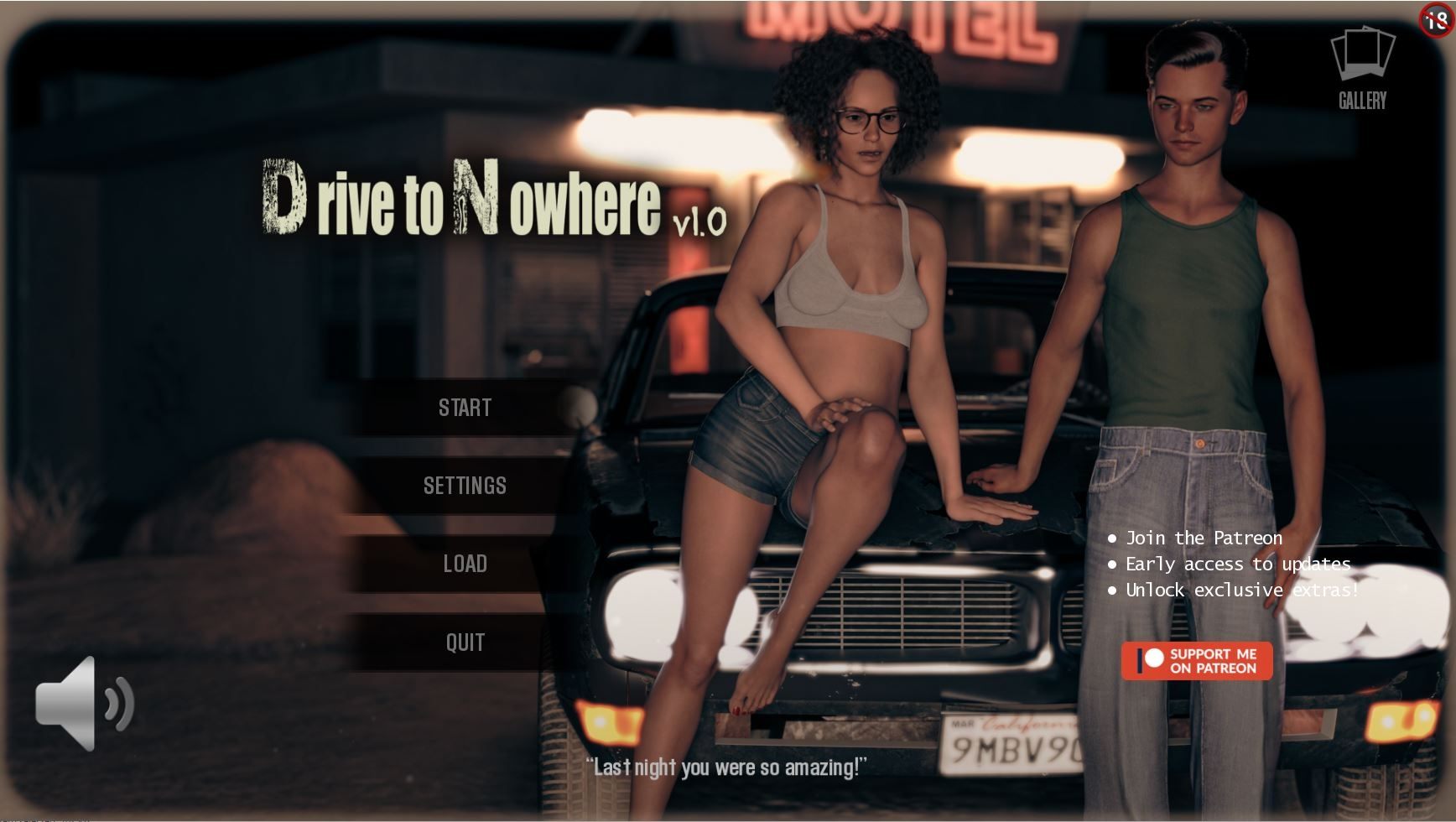
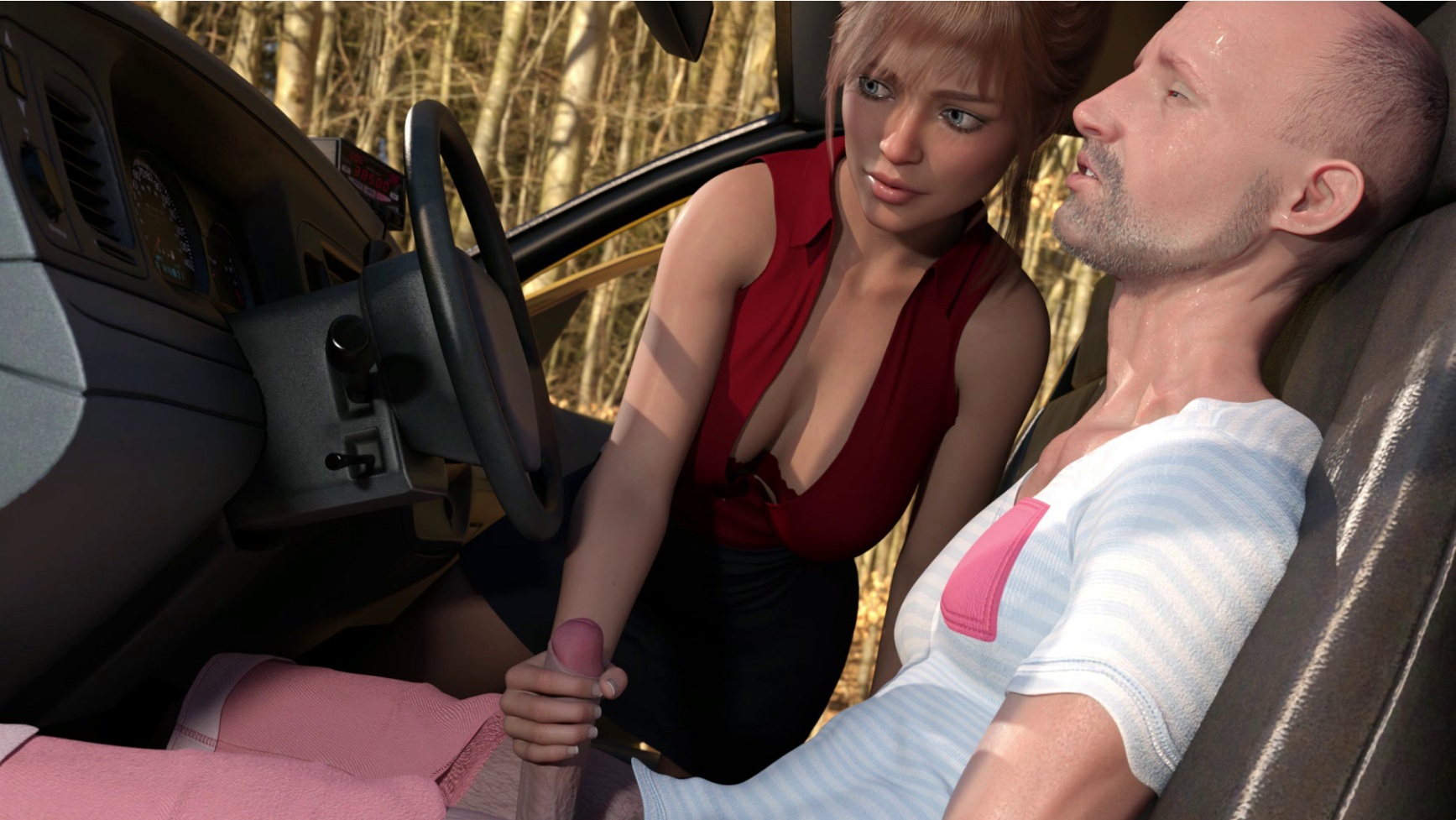
Drive to Nowhere is a gritty, emotional road trip visual novel that throws players into a tense, choice driven journey about survival, family and the fragile line between dignity and desperation. In Drive to Nowhere you follow two adults with a complicated past as they leave home with little more than a half tank of gas and the clothes on their backs, drifting from town to town and making decisions that shape relationships, opportunities and the very chances of getting through the next day.
Branching narrative with meaningful choices that influence character dynamics and open or close future opportunities. Decisions are not binary but ripple through the story, affecting both short term survival and long term outcomes across chapters.
Character focused storytelling that examines strained family bonds, moral tradeoffs and the slow pressure of poverty. The cast is small and intimate by design so that each interaction feels consequential and personal.
Situational survival challenges and offers that test judgement rather than reflexes. Encounters vary from honest work opportunities to risky propositions, and each option carries realistic costs and benefits that alter resources or relationships.
Atmospheric episodic road trip structure where each town acts as a compact chapter with its own dilemmas, local characters and potential side scenes. The emphasis is on consequence and tone rather than action set pieces.
The core gameplay revolves around dialog choices, resource management and occasional timed decisions. Players must balance fuel, money and basic supplies while deciding who to trust and when to take risks. Choices are presented through clear prompts and carry visible, sometimes delayed consequences so strategy is rewarded across multiple playthroughs.
A relationship system tracks how characters respond to your actions. Instead of numerical bars visible at all times, the game uses narrative signals and situational change to reflect evolving ties. This approach preserves immersion while allowing players to read subtle shifts in conversations and scene outcomes.
Challenges are primarily situational rather than mechanical. Some scenes introduce limited time windows to decide, while others require planning ahead by conserving resources or choosing to rest in a safer location. There are no action minigames; the tension arises from moral complexity and scarcity.
Designed for touch play on Android, the interface is simple and unobtrusive. Tap to advance text, tap choices to select them, and use an on screen menu for quick saves and access to settings. The pacing controls include adjustable text speed, an auto read mode and a backlog so you can review past dialog at any time.
Save and load support multiple slots so you can explore alternate paths without losing progress. The UI keeps important information like current resources and active objectives available but unobtrusive, preserving the novel feel of the experience.
The story unfolds across a sequence of towns and episodes that together form the completed narrative. Multiple endings reflect different long term consequences of choices made across the journey, encouraging replay to uncover alternate outcomes and missed scenes. Because many decisions have delayed impacts, replaying with a different mindset reveals new narrative threads and relationship dynamics.
Progression is chapter based rather than level based, and key decisions can lock or unlock scenes in later chapters. This makes thoughtful planning and exploration of dialogue options worthwhile for players seeking deeper runs.
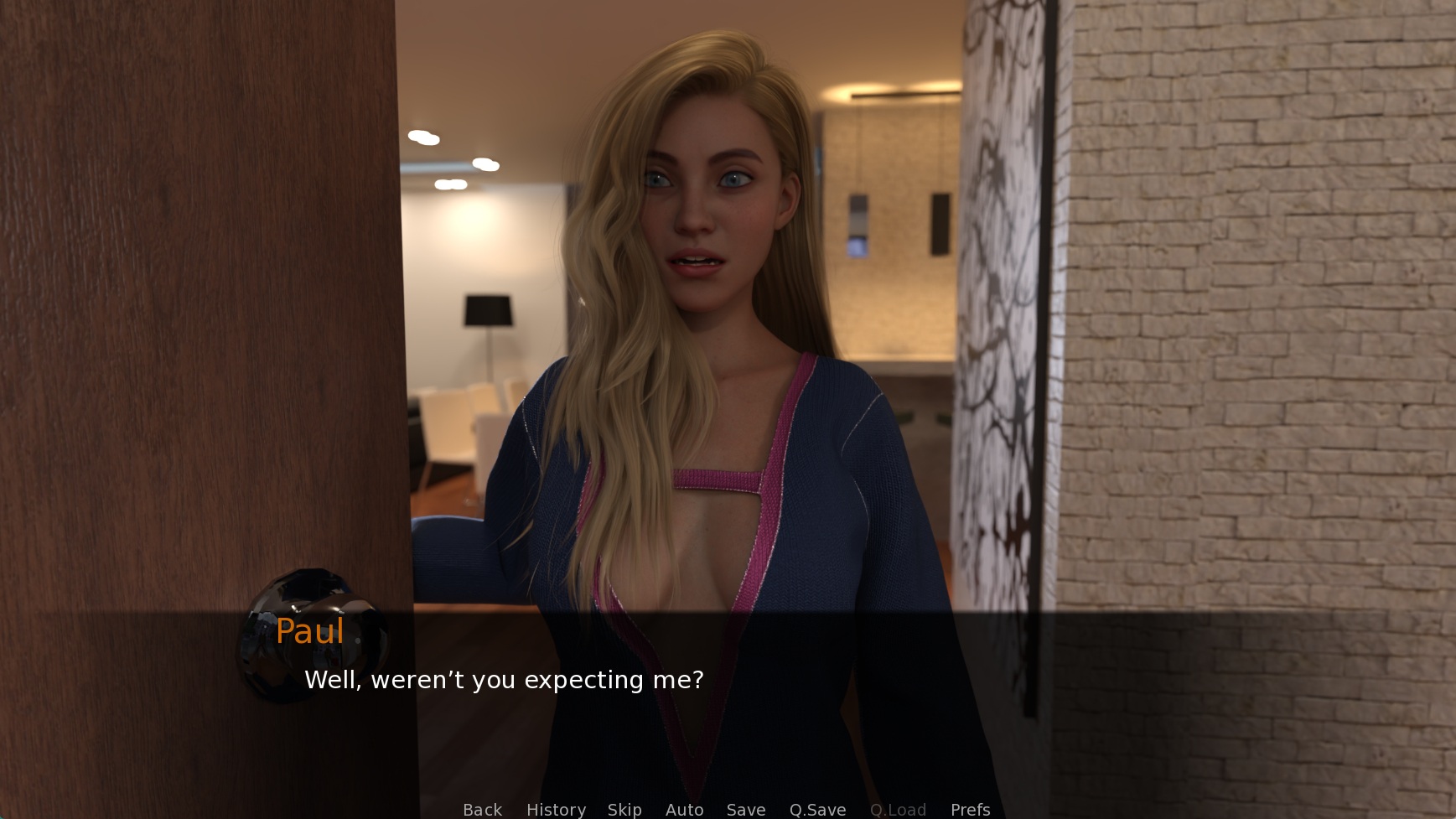
The visual presentation favors a muted, realistic palette and illustrated character portraits that complement the somber tone. Backgrounds are detailed and evocative, capturing small town interiors, roadside diners and motel parking lots under changing weather and light. The sound design focuses on ambient atmospheres and a sparse score that supports mood without overwhelming dialog.
Drive to Nowhere includes accessibility options such as adjustable text size, high contrast UI themes, and subtitles for all spoken lines. The game runs entirely offline as a single player experience, with low system requirements and an installation that contains the full narrative content so you can play without internet access.
Powerful, restrained writing that treats difficult subjects with nuance, a tight focus on character interaction, and a design that rewards careful decision making and replayability are among the game strengths.
Expect heavy, sometimes bleak subject matter and a primarily narrative, choice based experience; players seeking fast paced action or arcade style mechanics may find the pacing slow.
Drive to Nowhere New Final Version 2.0 is the complete standalone release, presenting the finished narrative and all chapters as a full experience. This build includes final polish, improved accessibility settings and the complete set of endings and scenes for players to explore.




Caravan SandWitch
Size:828.93M Shooting#BLUD
Size:3942.00M ShootingRioRise
Size:179.52M ShootingDésiré
Size:2.00M ShootingBall Blast Cannon blitz mania
Size:84.60M ShootingMinions Horror
Size:421.80M ShootingKiss of Sin: Rewinding Flame
Size:903.00M ShootingCane and Able
Size:268.00M ShootingCubeCrafter
Size:156.10M ShootingCursed Forest Quest
Size:794.00M ShootingThe Innocent
Size:235.00M ShootingThirsty Society
Size:558.46M ShootingApril 2024 Clash of Clans Update: Unveiling a Fresh Companion, Enhanced Levels, Chat Tagging, and Be
2024-04-16Arrival of Genshin Impact 4.6 Update: 'Embers of Two Realms, Twilight of Crimson'
2024-04-16V2.2 of the Farlight 84 update introduces an overhauled Season structure, fresh in-game currency, an
2024-04-16Monster Never Cry is now accessible on both Android and iOS mobile devices.
2024-04-18PUBG Mobile Teams Up with Bentley Motors: Luxury Cars, Exclusive Collectibles, and Beyond
2024-04-18March 2024 Free Redemption Codes for Honkai: Star Rail
2024-04-18