English
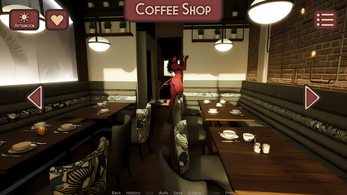
Project Coffee is a sandbox café management experience that places you at the center of a small, cozy shop where everyday routines slowly reveal a subtle, supernatural mystery. In Project Coffee you balance brewing, customer care, and atmosphere while odd occurrences and shadowed moments intrude on ordinary mornings; the contrast between calm café life and creeping tension defines the game's slow-burn storytelling. This introduction covers what to expect from the gameplay, controls, progression, visual approach, and other practical details so you can decide whether Project Coffee fits your playstyle.
The gameplay revolves around running a single café with a focus on routine tasks: preparing drinks, configuring the soundtrack and lighting, tending to the shop layout, and interacting with regulars and newcomers. Rather than fast arcade action, mechanics reward consistent attention to customer needs, timing for brewing and serving, and small choice-driven interactions that can shift the tone of a scene. Emergent moments arise when simple actions—moving a chair, choosing a playlist, or delaying a brew—combine with the narrative triggers to produce unpredictable, atmosphere-driven outcomes.
Controls are designed for touch-based mobile play: tap to interact, drag to place objects, and simple gesture shortcuts for common tasks like restocking or cleaning. The UI presents a clear service flow so you can monitor orders, inventory, and mood indicators without clutter. Tutorials introduce controls in small segments so new players learn by doing, and input sensitivity and icon sizes are tuned for single-hand play on phones as well as comfortable use on larger tablets.
The progression model focuses on discovering new items, recipes, and small story beats rather than leveling or currency grinds. As you complete mornings and manage the café, new ingredients and decorations become available, unlocking additional ways to influence atmosphere and customer reactions. Challenge systems are subtle: some days present time-limited orders or mood-sensitive customers that require quicker reactions or different setups, while other sessions prioritize exploration and conversation. This lets players choose between relaxed experimentation and higher-stakes shifts in tension.
Customization centers on shop layout, menu choices, and ambiance settings. You can rearrange furniture, experiment with different bean types and brewing methods, and tune lighting and music to affect the emotional temperature of the room. These options are meaningful because they change how characters respond and how the supernatural elements manifest, encouraging players to test combinations and craft a café that reflects their aesthetic preferences and narrative curiosity.
The visual direction leans toward warm, hand-crafted textures for the daytime café scenes and gradual, subtle alterations as the mystery encroaches—shifts in color grading, shadow behavior, and particle effects that suggest reality bending without explicit horror. Sound and music play a pivotal role: ambient tracks, reactive sound cues for brewing and conversation, and layered audio textures enhance immersion and help convey the story’s mood without relying solely on text or cutscenes.
Project Coffee is structured around discrete mornings or shifts you can replay at your own pace. Each session offers slightly different variables—customer combinations, weather-based modifiers, and narrative triggers—so repetition reveals new possibilities. Replay value stems from experimenting with different routines, focusing on different objectives, and intentionally provoking or avoiding mysterious events to see how the story branches and how small choices ripple through later sessions.
The game includes accessibility options for text size, contrast, and adjustable input timing to accommodate different players. Project Coffee is designed to be playable offline for most of its core content, allowing uninterrupted play while commuting or away from a connection. The interface emphasizes readability and predictable interactions, and the developers aim to keep session lengths flexible so you can enjoy brief play or longer stretches of exploration depending on your schedule.
Project Coffee is an indie passion project developed by a small team focused on atmosphere and narrative experimentation. Early builds may change as the game matures; players should expect updates that refine mechanics, add polish, and expand content based on feedback. The studio appreciates constructive input from early players and provides regular notes about development priorities, bug fixes, and planned improvements that help shape future releases.





Caravan SandWitch
Size:828.93M Shooting#BLUD
Size:3942.00M ShootingRioRise
Size:179.52M ShootingDésiré
Size:2.00M ShootingBall Blast Cannon blitz mania
Size:84.60M ShootingMinions Horror
Size:421.80M ShootingKiss of Sin: Rewinding Flame
Size:903.00M ShootingCane and Able
Size:268.00M ShootingCubeCrafter
Size:156.10M ShootingCursed Forest Quest
Size:794.00M ShootingThe Innocent
Size:235.00M ShootingThirsty Society
Size:558.46M ShootingApril 2024 Clash of Clans Update: Unveiling a Fresh Companion, Enhanced Levels, Chat Tagging, and Be
2024-04-16Arrival of Genshin Impact 4.6 Update: 'Embers of Two Realms, Twilight of Crimson'
2024-04-16V2.2 of the Farlight 84 update introduces an overhauled Season structure, fresh in-game currency, an
2024-04-16Monster Never Cry is now accessible on both Android and iOS mobile devices.
2024-04-18PUBG Mobile Teams Up with Bentley Motors: Luxury Cars, Exclusive Collectibles, and Beyond
2024-04-18March 2024 Free Redemption Codes for Honkai: Star Rail
2024-04-18