English
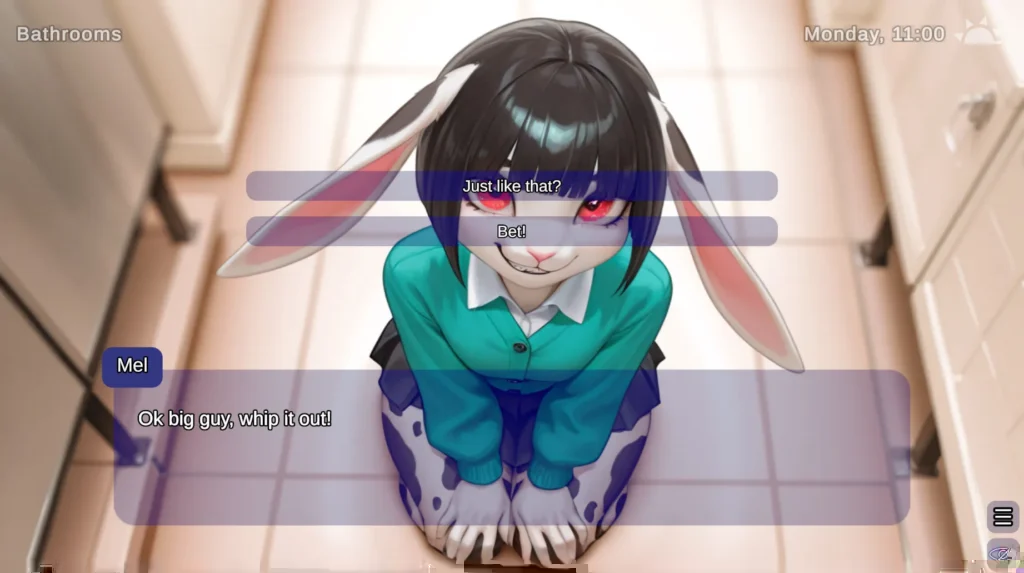
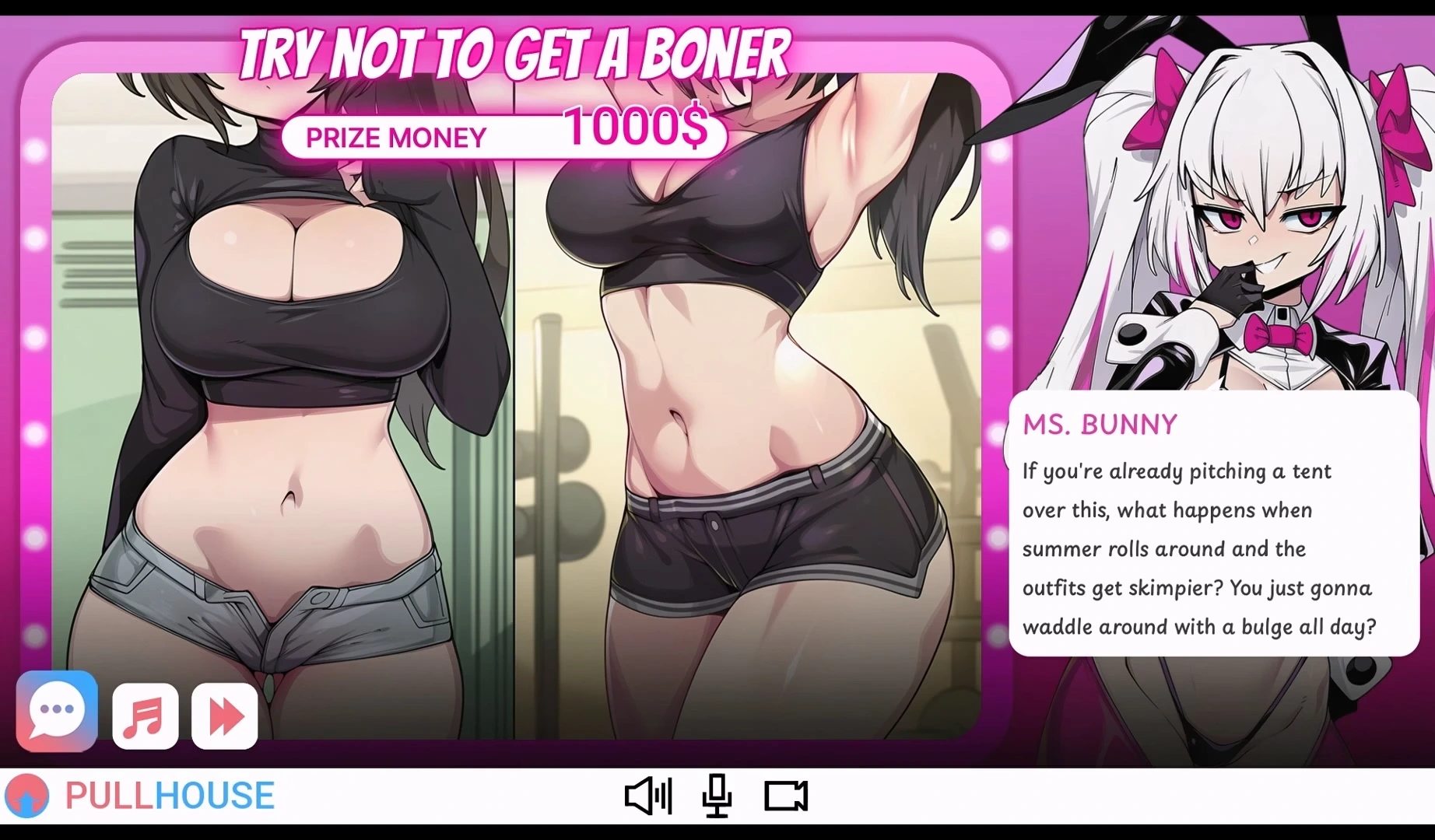
Pullhouse is a single-player, in-game simulation that recreates a fictional dating and video-chat app inside a larger narrative world, placing players into a controlled social experiment where profile rank and in-game tributes influence access to certain interactions. The simulation is presented as part of the game's story and emphasizes choice-driven encounters, character reputation, and stylized AI-generated illustrations rather than real-world communication or live services. Pullhouse is intended for mature audiences and frames its themes as narrative mechanics rather than explicit material.
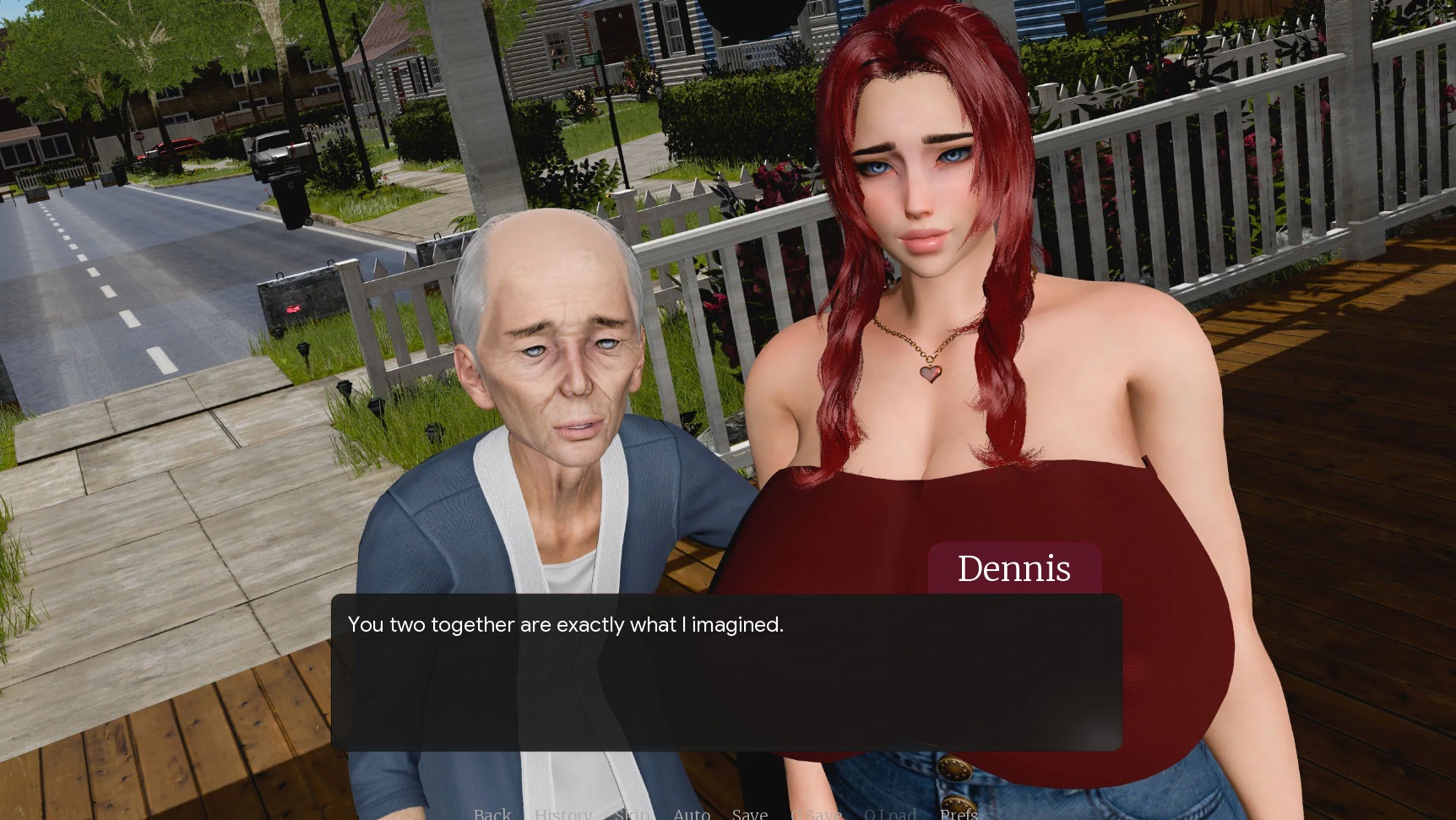
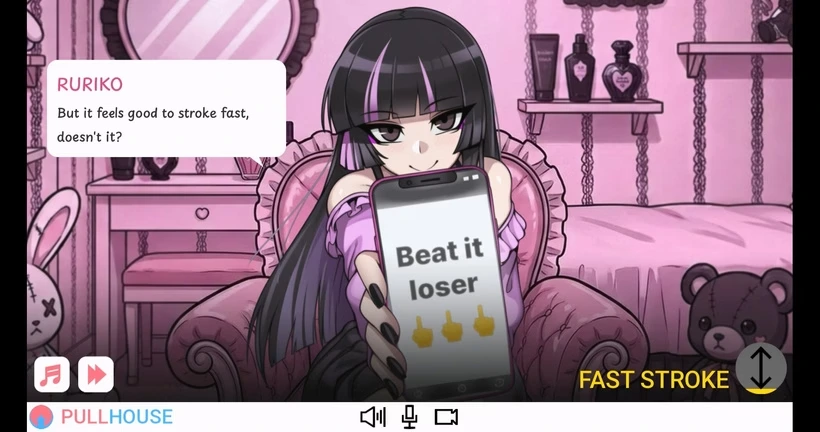
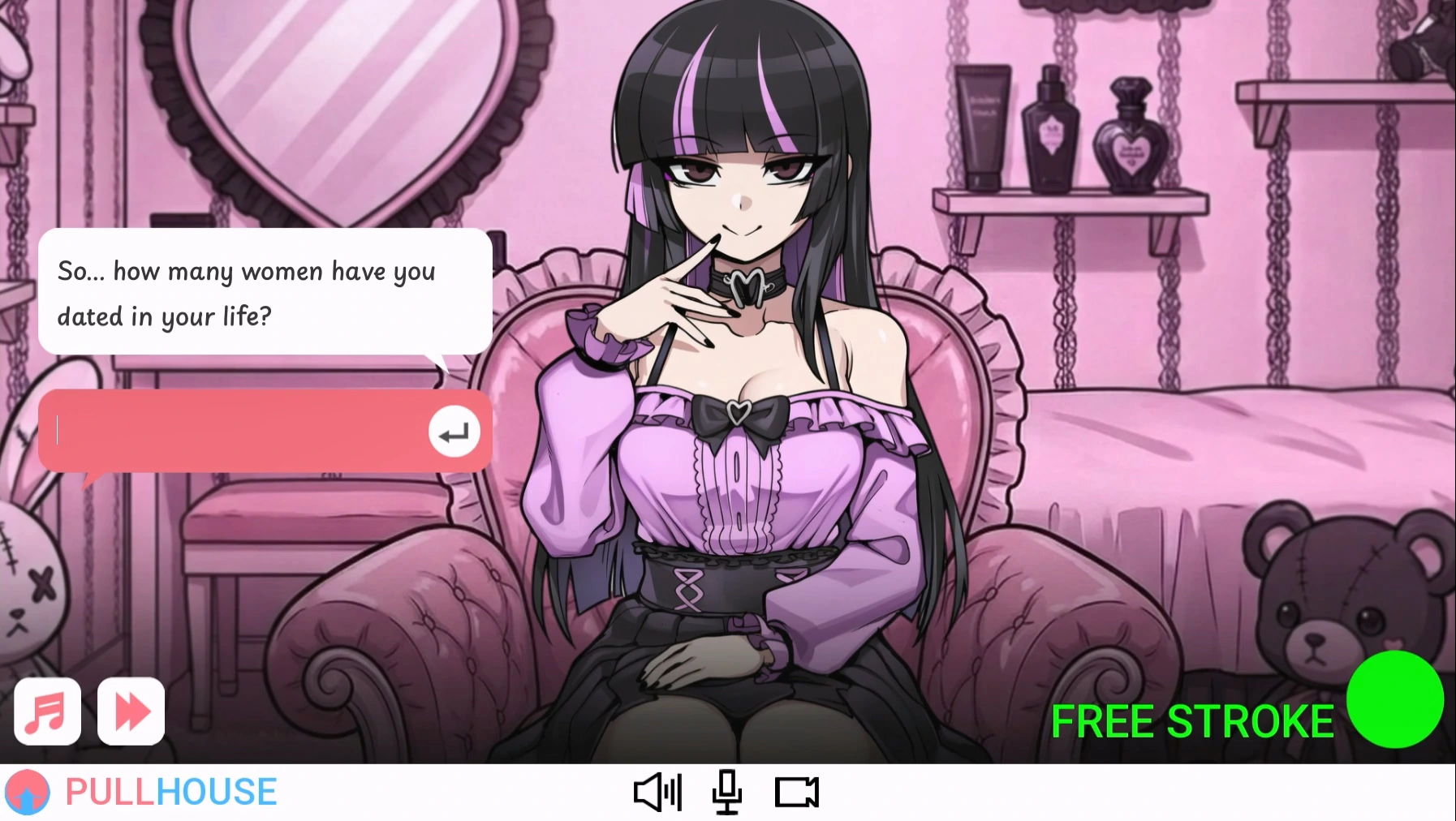
In Pullhouse players explore a layered interface that mimics a social app, browsing profiles, engaging with scripted conversations, and responding to prompts that influence each character's disposition. The system uses clear choices and short-form interactions rather than complex inputs: tap to select dialogue, swipe through profile cards, and use simple menu navigation to manage your in-game inventory of gifts and currency. Encounters are paced around discrete narrative beats so each decision alters access to later scenes and character reactions.
The game uses a registration and rank mechanic that assigns labels to simulated accounts and gates features accordingly. Characters tagged as 'BETA' face more limited access until players meet specific progression criteria. Progression is earned through decisions, reputation-building activities, and the tribute and gifting system that functions as an in-game resource sink; investing in a character's storyline unlocks deeper narrative branches and optional private interactions presented in a non-explicit manner.
Pullhouse features an in-world gifting economy where players spend earned or purchased resources to raise standing with particular characters. These tributes unlock additional scripted scenes, alternate dialogue tracks, and collectible artwork. The system is balanced to provide clear goals and trade-offs so players can plan whether to focus on a single storyline or spread resources across multiple characters. All gifting is handled as part of the single-player experience and does not require real-time multiplayer participation.
The interface is designed for touchscreen play with large, readable text and straightforward navigation. Players manage a dedicated status screen that tracks rank, relationship meters, and available tributes. Dialogues present multiple response options and occasionally include timed choices for players seeking a quicker, more reactive experience. Accessibility options include adjustable text size and a simplified control mode that reduces timed prompts.
Artwork in Pullhouse is presented as stylized, AI-assisted illustrations with consistent captions and character expressions that support the narrative. The visual design favors a polished, atmospheric look with a restrained color palette that complements each scene and emphasizes mood rather than realism. Illustration unlocks are tied to story milestones and are collected in an in-game gallery for later viewing.
The experience is divided into episodic chapters that vary in length and focus; some chapters center on character-driven vignettes while others explore broader social-system mechanics. Branching outcomes and multiple endings encourage replaying chapters with different gift allocation strategies, rank targets, or dialogue approaches. Collectible items, alternate art, and hidden scenes add long-term goals for completion-minded players.
Players can personalize aspects of their in-game profile and certain visual filters to influence how other characters perceive them. Customization is largely cosmetic and narrative-facing, allowing varied role-playing approaches without altering core mechanics. The game emphasizes choice and consequence over character stat grinding, so decisions carry meaningful narrative outcomes.
Pullhouse includes content warnings and optional toggles to limit suggestive themes, as well as settings for text size, audio volume, and simplified controls. The game runs offline for the single-player content and saves progress locally, allowing play without a persistent internet connection. Tooltips and an in-game help section explain mechanics like ranking, gifting, and how to unlock additional scenes.
The challenge in Pullhouse comes from resource management and timing decisions rather than reflex-heavy gameplay. Players balance limited tributes against competing storylines and occasional time-limited opportunities within chapters. Pacing is adjustable through chapter selection and replay, letting players tackle longer arcs in smaller sessions or complete an episode in one sitting.
Pullhouse is developed by KKG Studio Games and uses AI-assisted tools to create its illustrative assets. The focus is on mature-themed narrative design, player choice, and a consistent visual presentation. The current release is version 0.6.0 and includes ongoing improvements to accessibility options, UI clarity, and additional collectible content planned for future updates.

Caravan SandWitch
Size:828.93M Shooting#BLUD
Size:3942.00M ShootingRioRise
Size:179.52M ShootingDésiré
Size:2.00M ShootingBall Blast Cannon blitz mania
Size:84.60M ShootingMinions Horror
Size:421.80M ShootingKiss of Sin: Rewinding Flame
Size:903.00M ShootingCane and Able
Size:268.00M ShootingCubeCrafter
Size:156.10M ShootingCursed Forest Quest
Size:794.00M ShootingThe Innocent
Size:235.00M ShootingThirsty Society
Size:558.46M ShootingApril 2024 Clash of Clans Update: Unveiling a Fresh Companion, Enhanced Levels, Chat Tagging, and Be
2024-04-16Arrival of Genshin Impact 4.6 Update: 'Embers of Two Realms, Twilight of Crimson'
2024-04-16V2.2 of the Farlight 84 update introduces an overhauled Season structure, fresh in-game currency, an
2024-04-16Monster Never Cry is now accessible on both Android and iOS mobile devices.
2024-04-18PUBG Mobile Teams Up with Bentley Motors: Luxury Cars, Exclusive Collectibles, and Beyond
2024-04-18March 2024 Free Redemption Codes for Honkai: Star Rail
2024-04-18