English
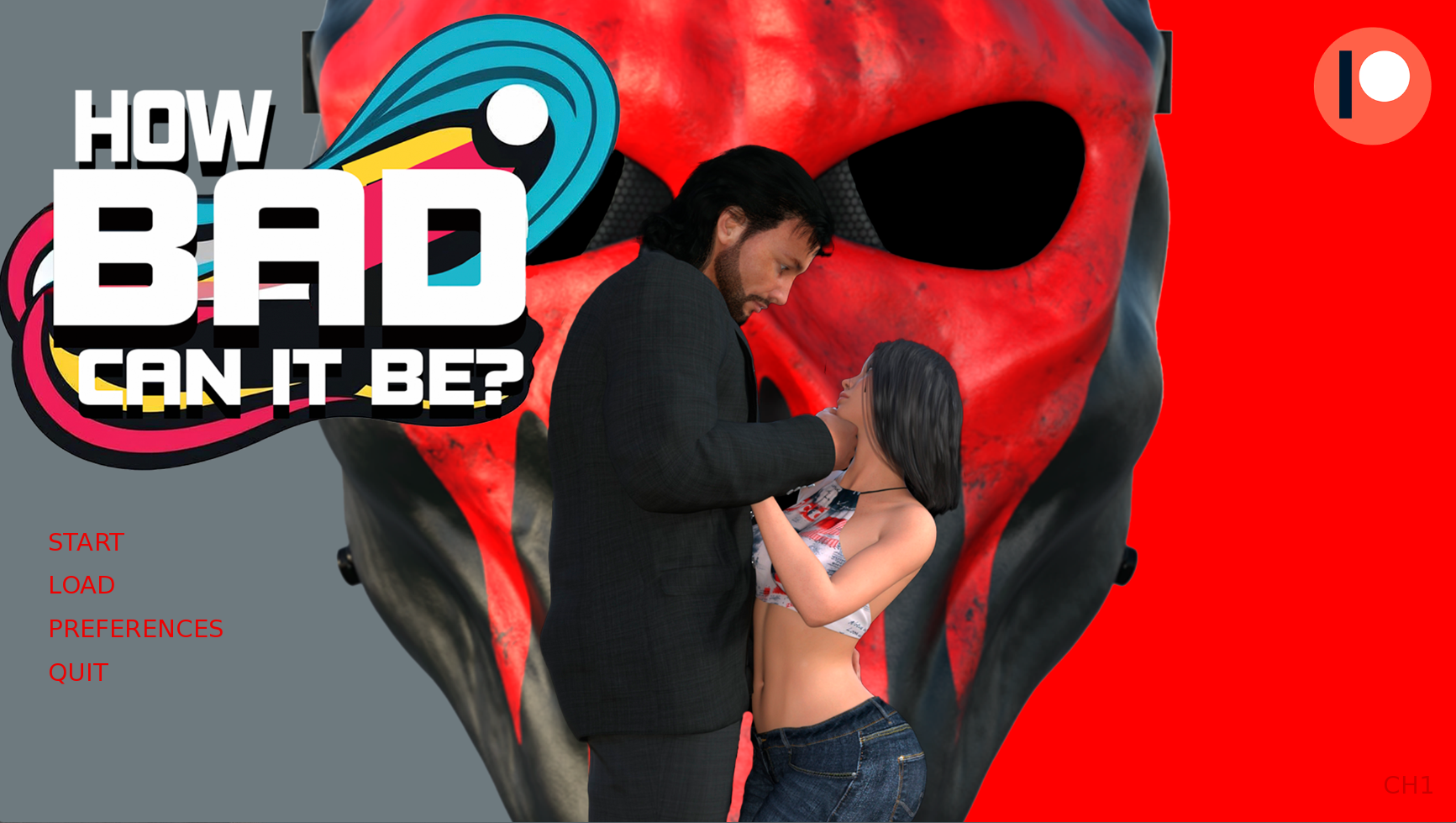
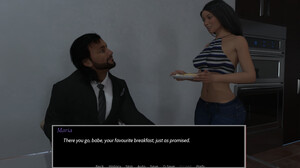
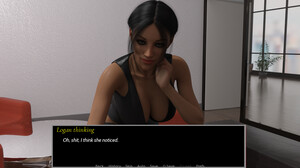
How Bad Can It Be? is an interactive narrative game that places you in a tightly written, chapter-based drama about power, loyalty and difficult personal choices. In Chapter 4 you play as a CEO wrestling with a request from a mentor who once sheltered you; your decisions change which scenes appear, how relationships develop, and which endings become available. This description presents the app as a narrative-driven game so reviewers and users can clearly understand its interactive story focus and tone.
How Bad Can It Be? uses a branching story structure with clear decision points that lead to multiple endings and alternate scenes. Chapters are compact narrative units that let you experience a complete arc in a single sitting, while choices made within a chapter can open or close later content. The cast is deliberately focused — a CEO protagonist, a devoted partner, and a mentor whose influence creates the central conflict — which helps keep scenes concentrated on character interaction and moral stakes rather than sprawling subplots.
The core gameplay centers on reading scenes, making dialogue and action choices, and observing immediate and delayed consequences. Each decision can influence character relationships, unlock particular scenes, or alter the availability of future options, so the game rewards careful consideration and attention to context. There are no timed mini-games or reflex-based challenges; the primary form of challenge comes from predicting outcomes and managing interpersonal dynamics across branching routes.
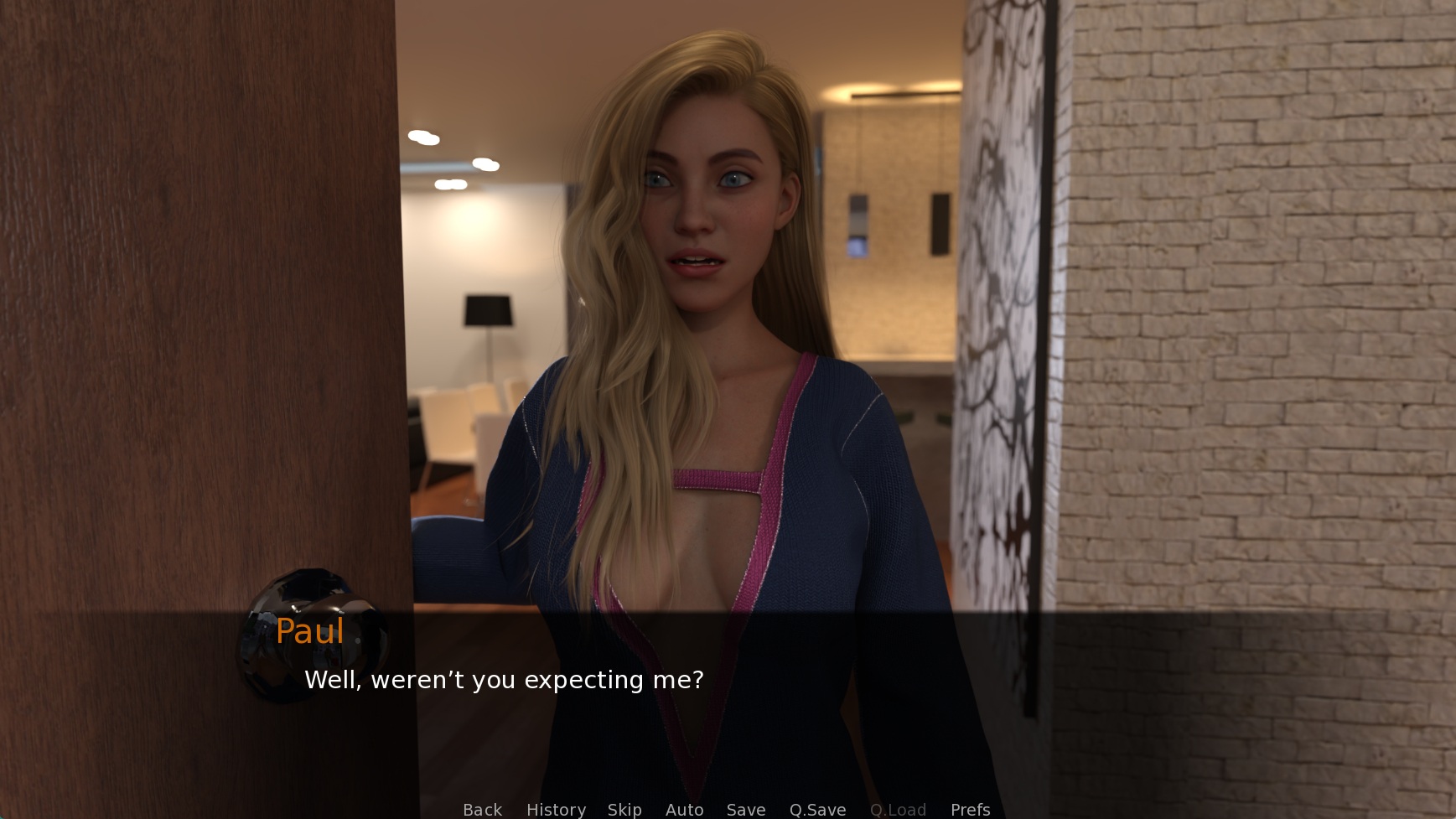
The interface is optimized for touch devices: tap to advance text, tap choice buttons to select responses, and use a simple on-screen menu to save, load, or skip previously read passages. Menus are kept unobtrusive to maintain immersion, and tooltips help new players understand save slots and chapter selection. Inputs are intentionally minimal so reading and characterization remain the central experience.
Progression is organized by chapters and scenes with an in-game save system that encourages experimentation. Quick-save and manual save slots let you bookmark pivotal moments; a chapter-select option makes it straightforward to jump back and explore alternate branches without replaying earlier material. Because choices can permanently close certain narrative paths, multiple playthroughs are expected for players who want to encounter every route and ending.
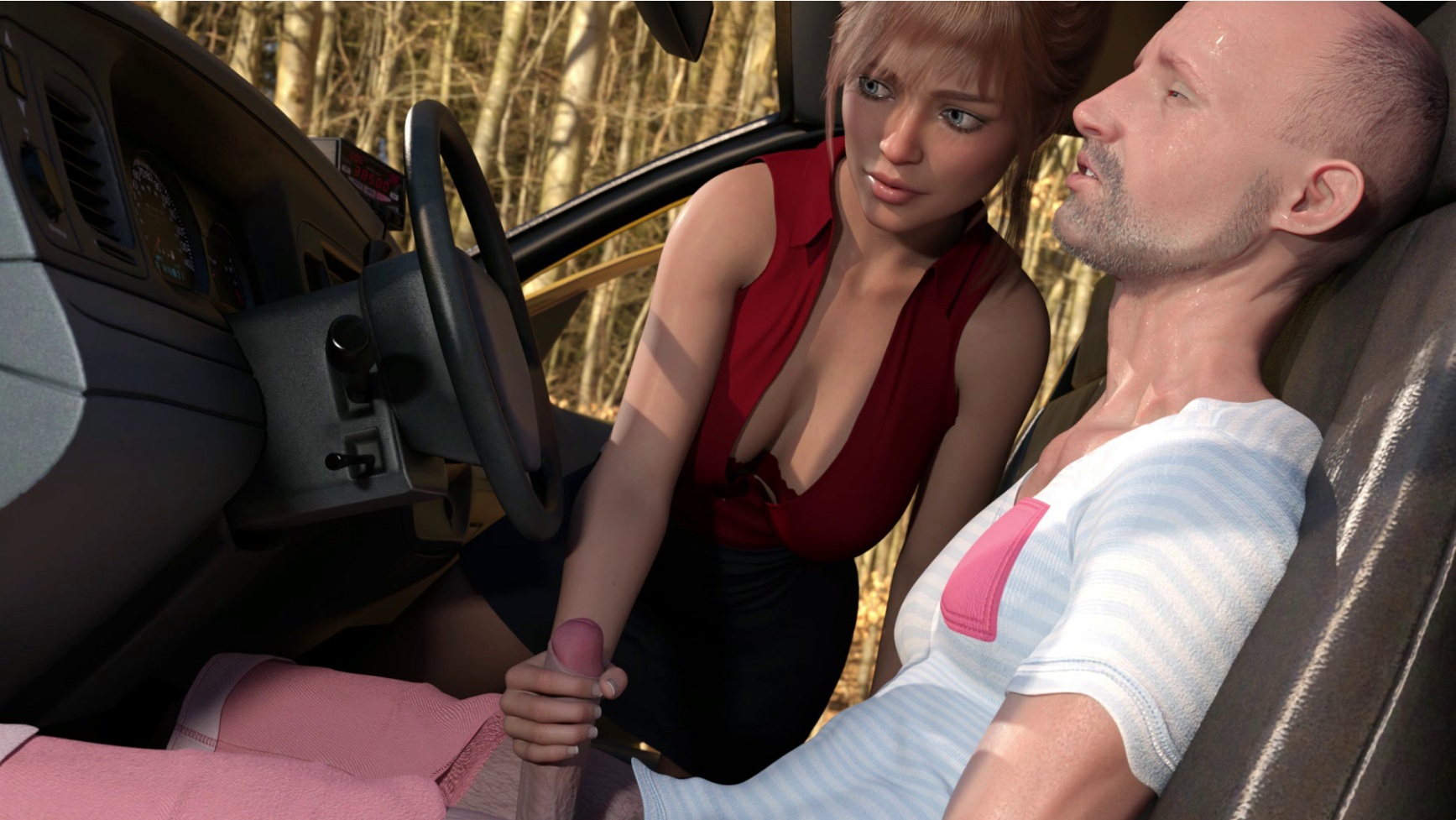
The visual presentation favors expressive character artwork and scene CGs that emphasize framing and facial expression to convey emotional shifts. Text layouts are chosen for readability, with contrast and spacing that support long reading sessions on mobile screens. Audio and ambient sounds are used sparingly to enhance mood without distracting from dialogue, and UI elements are deliberately minimal so the story and characters remain the focus.
How Bad Can It Be? includes adjustable text speed and font size to suit different reading preferences, along with contrast settings and the ability to toggle background audio. An in-game journal or scene log records major choices and important details to help you track decisions that influence later chapters. These options are designed to make the narrative accessible to a wider range of players and listening or reading situations.
The game is fully playable offline once installed; this makes it convenient for commuting or short sessions without a persistent internet connection. Pacing is measured: choices are presented at meaningful narrative moments so scenes can build tension and character detail. Players who prefer story-first experiences will find the design deliberate and reflective, while users seeking mechanical or action-oriented challenges should expect a narrative-focused pace.
Expect emotionally charged scenarios and moral ambiguity: some routes highlight romantic tension and mature themes that are integral to the plot and may be uncomfortable for some players. The description is transparent that these elements exist and that the game does not include explicit sexual content — mature themes are presented in a narrative context and handled with restraint. If you follow the chapter progression and use the save system to explore alternatives, you can experience a range of tones from cautious compromise to more fraught resolutions.
Replayability comes from meaningful branching, scene-specific beats, and multiple endings tied to relationship dynamics and earlier choices. How Bad Can It Be? encourages careful reading and note-taking in the in-game journal if you aim to uncover every branch. The combination of chapter-based structure, save/load convenience, and scene unlocks provides a straightforward path to revisit key moments and explore different outcomes without excessive repetition.

Caravan SandWitch
Size:828.93M Shooting#BLUD
Size:3942.00M ShootingRioRise
Size:179.52M ShootingDésiré
Size:2.00M ShootingBall Blast Cannon blitz mania
Size:84.60M ShootingMinions Horror
Size:421.80M ShootingKiss of Sin: Rewinding Flame
Size:903.00M ShootingCane and Able
Size:268.00M ShootingCubeCrafter
Size:156.10M ShootingCursed Forest Quest
Size:794.00M ShootingThe Innocent
Size:235.00M ShootingThirsty Society
Size:558.46M ShootingApril 2024 Clash of Clans Update: Unveiling a Fresh Companion, Enhanced Levels, Chat Tagging, and Be
2024-04-16Arrival of Genshin Impact 4.6 Update: 'Embers of Two Realms, Twilight of Crimson'
2024-04-16V2.2 of the Farlight 84 update introduces an overhauled Season structure, fresh in-game currency, an
2024-04-16Monster Never Cry is now accessible on both Android and iOS mobile devices.
2024-04-18PUBG Mobile Teams Up with Bentley Motors: Luxury Cars, Exclusive Collectibles, and Beyond
2024-04-18March 2024 Free Redemption Codes for Honkai: Star Rail
2024-04-18