English
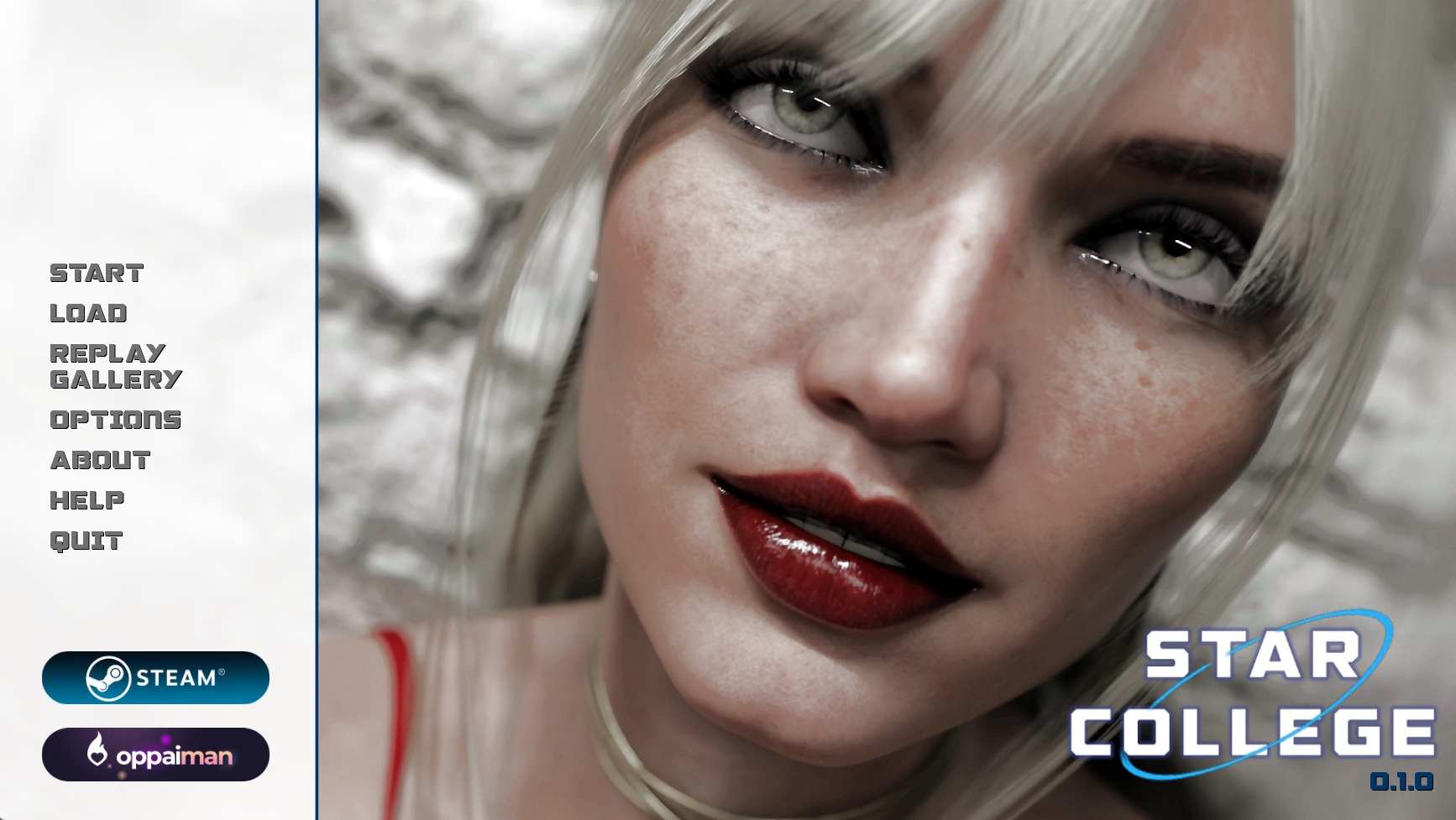
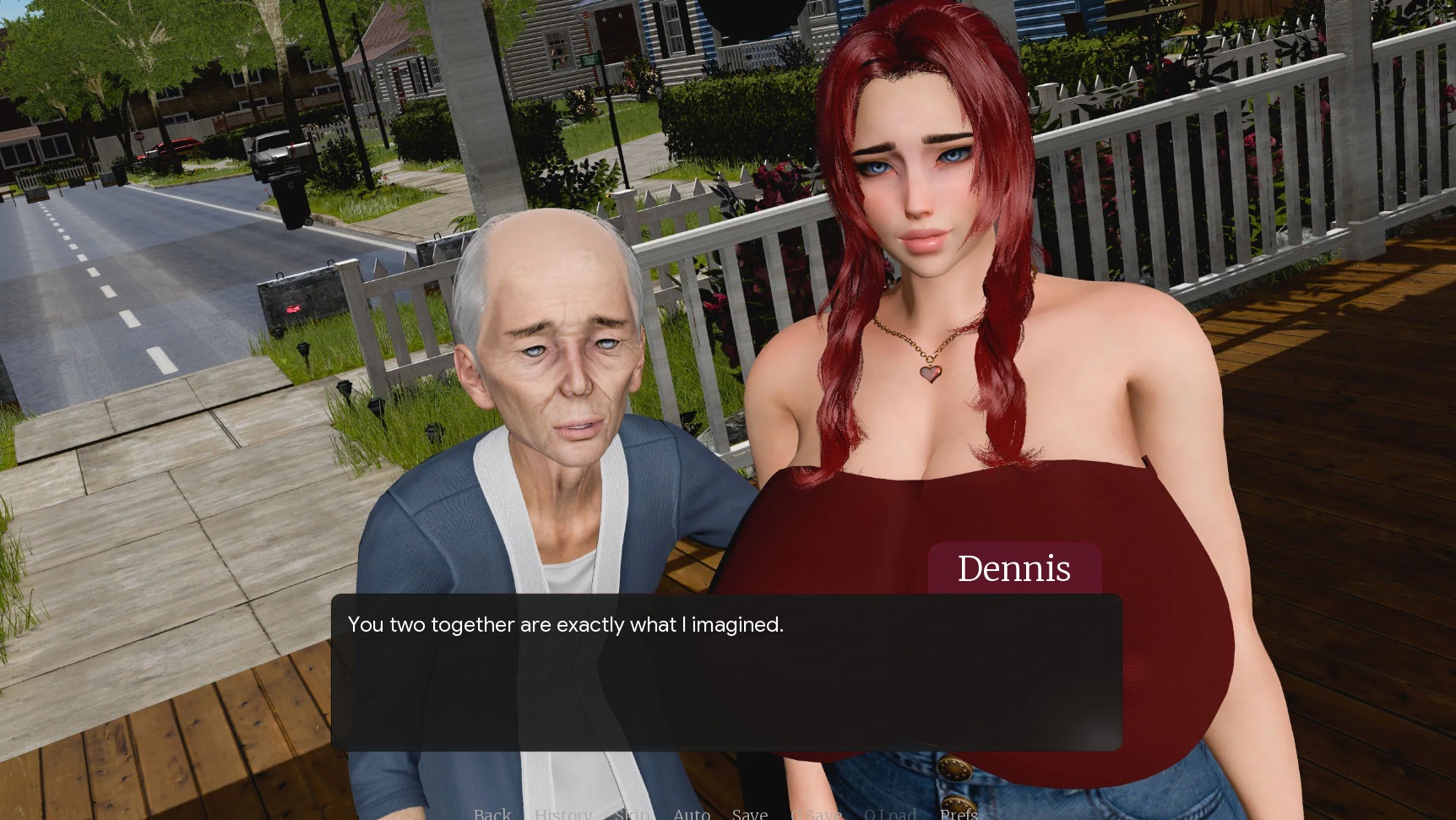
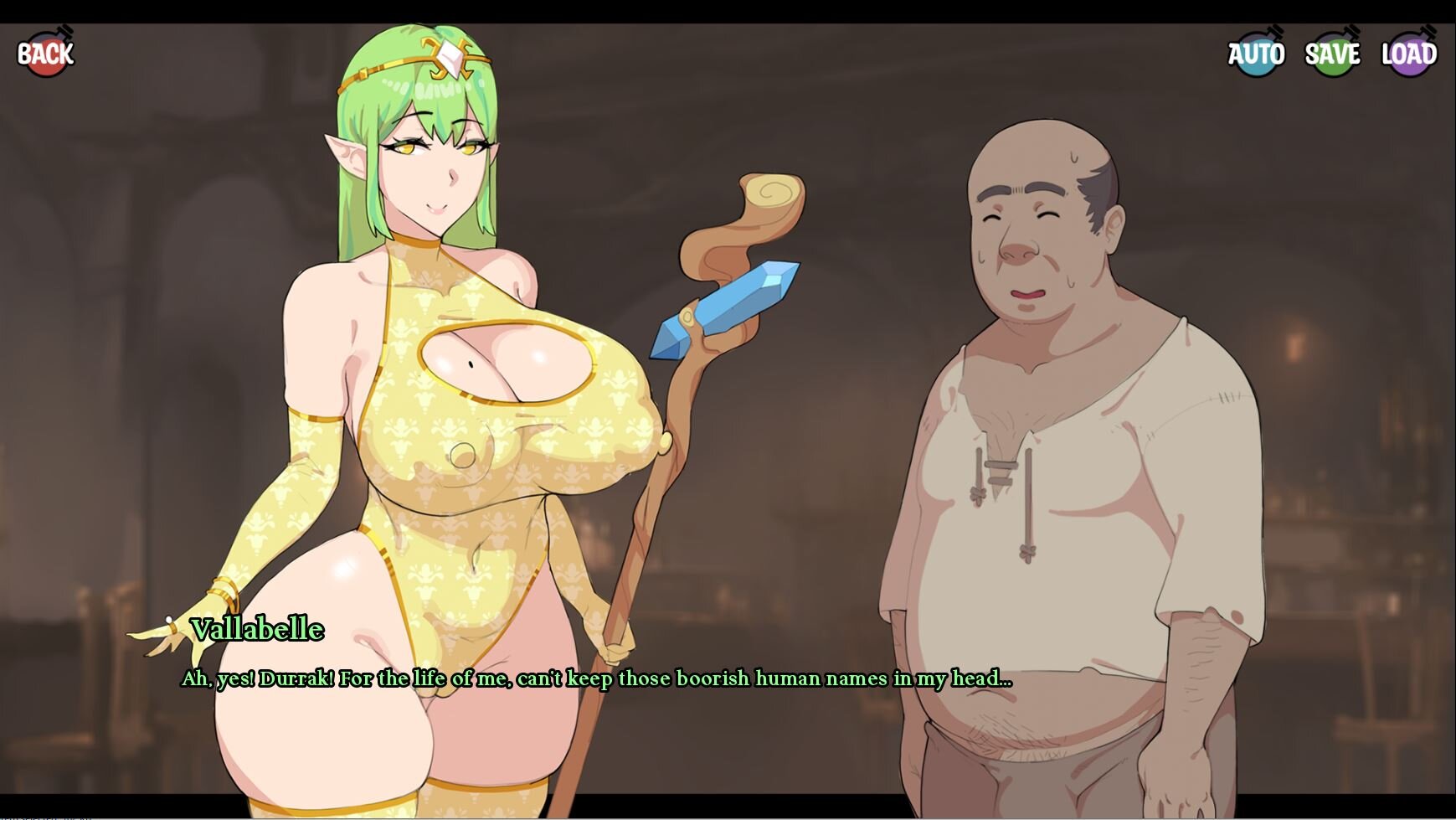
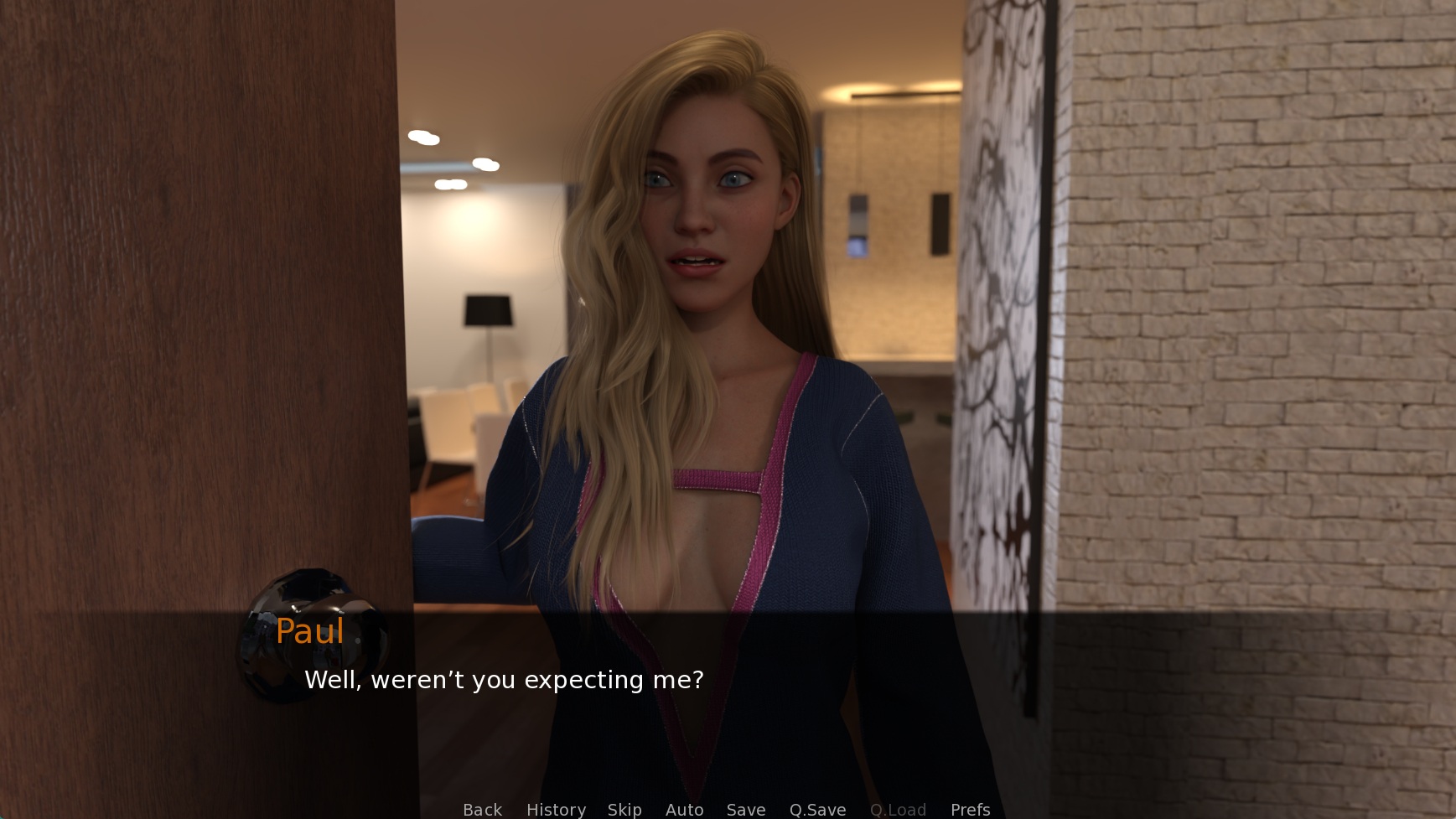
Star College is a narrative-driven single-player adventure that puts you in the shoes of a small-town gas station attendant whose life is upended by an offer to attend a prestigious galactic university. In Star College the focus is on story and choice: you explore atmospheric locations, engage in branching conversations, and shape relationships that change how chapters unfold. This introduction highlights what to expect from the experience, how controls and progression work, and why the game rewards repeated playthroughs.
The core gameplay centers on exploration and choice-based interaction rather than reflex-heavy challenges. Players move between discrete scenes such as the roadside outpost, nearby town, and sections of the interstellar campus, investigating objects, initiating character scenes, and selecting dialogue responses. Encounters are character-driven and frequently present moral dilemmas or personal decisions that affect trust, reputation, and access to later scenes. The pacing is deliberate to allow emotional beats to land and to make each decision carry weight in subsequent chapters.
Controls are optimized for touch screens with clear on-screen prompts. Tap to examine items or initiate conversation, swipe between scene panels where appropriate, and use a simple choice panel to review available dialogue options before committing. The interface reduces clutter to keep focus on narrative text and character portraits, while an in-game journal records key choices and discovered clues to help players track progress. These controls are intuitive for both newcomers to narrative games and experienced players who prefer a clean, unobtrusive HUD.
Progression is primarily story-driven and organized into chapters with optional side scenes that expand character backstories. Decisions influence relationship meters and unlock alternate dialogue branches or scenes, creating a branching narrative structure rather than a linear path. There is light resource consideration in some encounters, such as time-limited opportunities or limited attempts to repair relationships, which encourages thoughtful choices. As you progress, new locations and character interactions become available, and previously closed-off story paths may open based on earlier actions.
The game employs an atmospheric visual approach that blends grounded small-town environments with more stylized, otherworldly campus designs. Backgrounds are intended to evoke mood through lighting and color while character portraits convey subtle expressions during conversations. A restrained soundtrack complements the pacing with ambient pieces for exploration and more focused thematic cues for key emotional scenes. The visual and audio presentation aims to support the narrative tone rather than distract from it.
Levels are structured as a series of interconnected scenes rather than expansive open worlds. Each scene is crafted to encourage exploration of narrative content: examining items yields context, optional character interactions provide depth, and some scenes act as decision points that branch the timeline. The structure makes it easy to navigate between core story beats and optional content, and it supports a modular approach to storytelling that reveals more on subsequent playthroughs.
Personalization in Star College comes through the choices you make rather than extensive cosmetic systems. You decide how the protagonist responds, which relationships to invest in, and which paths to pursue; those choices lead to different outcomes and endings. Multiple endings and unlockable scenes encourage replaying to explore alternative relationship arcs and unresolved mysteries. The game is designed so that later playthroughs reveal new details and connections that change your understanding of earlier events.
Accessibility options are included to make the experience available to a broad audience: adjustable text size, toggleable subtitles, and pacing controls for dialogue speed. The game operates primarily offline and does not require a persistent internet connection to play through its single-player narrative, which makes it convenient for travel or disconnected play. Save and resume functionality ensures you can pick up the story at your own pace.
Challenges are narrative and decision-based rather than action-oriented. You will face emotionally charged scenes, social puzzles, and consequence-heavy choices that test judgment and empathy. The difficulty comes from weighing short-term gains against long-term relationship effects and piecing together contextual clues found throughout the world. This approach emphasizes thoughtful engagement with characters and story over mechanical difficulty.
Version 0.7.0 establishes the central premise and core systems: the protagonist at a remote gas station receives an unexpected invitation to a galactic university, setting up the branching narrative and relationship mechanics that define the experience. Future updates will expand content and refine accessibility options based on player feedback, while keeping the single-player, story-first focus intact.





Caravan SandWitch
Size:828.93M Shooting#BLUD
Size:3942.00M ShootingRioRise
Size:179.52M ShootingDésiré
Size:2.00M ShootingBall Blast Cannon blitz mania
Size:84.60M ShootingMinions Horror
Size:421.80M ShootingKiss of Sin: Rewinding Flame
Size:903.00M ShootingCane and Able
Size:268.00M ShootingCubeCrafter
Size:156.10M ShootingCursed Forest Quest
Size:794.00M ShootingThe Innocent
Size:235.00M ShootingThirsty Society
Size:558.46M ShootingApril 2024 Clash of Clans Update: Unveiling a Fresh Companion, Enhanced Levels, Chat Tagging, and Be
2024-04-16Arrival of Genshin Impact 4.6 Update: 'Embers of Two Realms, Twilight of Crimson'
2024-04-16V2.2 of the Farlight 84 update introduces an overhauled Season structure, fresh in-game currency, an
2024-04-16Monster Never Cry is now accessible on both Android and iOS mobile devices.
2024-04-18PUBG Mobile Teams Up with Bentley Motors: Luxury Cars, Exclusive Collectibles, and Beyond
2024-04-18March 2024 Free Redemption Codes for Honkai: Star Rail
2024-04-18