English
GDSC DeKUT is a campus-focused mobile application designed to connect students, organizers, and mentors across Dedan Kimathi University with a single, easy-to-use hub for events, resources, and communication. The app consolidates an events calendar, meeting details for both virtual and in-person sessions, curated learning resources, and a searchable directory of tech leads so community members can discover opportunities and stay involved without switching between multiple platforms. Intended for student groups and campus organizers, GDSC DeKUT aims to reduce fragmentation and make it simpler to find workshops, study groups, hackathons, and announcement streams relevant to campus life.
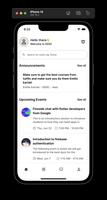
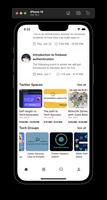
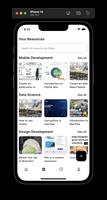
The app provides a centralized events calendar that displays upcoming meetings, workshops, and hackathon schedules with clear labels for virtual or physical attendance and location directions when applicable. A resource library stores guides, slide decks, starter repositories, and suggested reading grouped by topic so students can browse by subject, course, or project type. News and announcements from community leads appear in a dedicated feed and are timestamped and searchable. The built-in user directory lists contact information for tech leads and organizers so students can request mentorship or clarify event details. Admin tools allow authorized organizers to publish, edit, and remove events and resources directly from the app, keeping information current and reliable for the campus community.
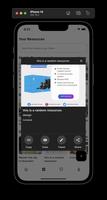
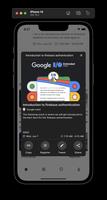
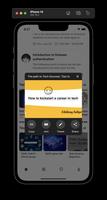
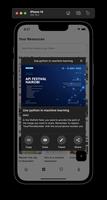
GDSC DeKUT uses straightforward navigation with a bottom or tab-based layout that separates calendar, resources, announcements, and directory into predictable sections. Controls are simple: tap an event to view details and RSVP, swipe between upcoming days in the calendar view, and use the search bar with filters to narrow results by topic, format, or date. Resource items open in an integrated viewer with options to download for offline reading or save to a personal collection. Notification settings are configurable so users can opt into reminders for events they follow, daily digests of new resources, or only direct messages from mentors, making the app flexible to different engagement styles.
The resource library is organized to support incremental learning: curated collections and topic groupings guide newcomers through recommended sequences—such as introductory programming materials, project-based tutorials, and deployment checklists—so students can move from basic concepts to applied projects. While the app does not include competitive rankings or multiplayer matchmaking, it encourages repeated use by hosting regular workshops, follow-up sessions, and project showcases that reward continued involvement through visibility and mentorship opportunities. Users can bookmark resources, track attended events in their personal history, and maintain a profile that highlights completed workshops or roles in campus projects, which helps gauge personal progression over a semester or academic year.
The interface favors a clean, campus-oriented visual style with clear typography, deliberate white space, and color accents that identify content types (announcements, events, resources). Individuals can customize notification frequency, preferred event formats, and profile visibility to manage how they appear in the user directory. Accessibility considerations include adjustable text sizes, high-contrast display options, and compatibility with common screen readers so the app remains usable for a wide range of students. The design focuses on readability and predictable interactions to reduce friction for first-time users and returning members alike.
To support use in areas of limited connectivity, the app caches essential event details and resource summaries for offline access, allowing users to view saved documents and calendar entries without a live connection. When online, synchronization updates saved items and pulls the latest announcements. The app respects campus privacy policies: contact details for tech leads are intended for professional and educational outreach, and administrative controls limit who can publish official events and announcements to maintain accuracy. Regular backups and secure hosting help protect community data while keeping the service dependable.
GDSC DeKUT is focused on Dedan Kimathi University’s technology community and is most useful for students, campus organizers, and faculty involved in tech initiatives; its scope means some features—like content publishing—are restricted to designated tech leads rather than every user. This concentrated approach preserves quality and relevance for the campus network but also means the app’s utility is naturally limited outside that environment. For members of the university community who want a single, reliable place to find events, resources, and mentorship contacts, GDSC DeKUT provides a compact, well-structured experience that supports learning and collaboration on campus projects.
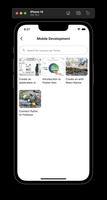
GDSC DeKUT
Size:28.61M ToolsBold Browser
Size:94.70M ToolsBrain Box
Size:16.84M ToolsNeo Clean
Size:32.78M ToolsSweepFlowGo
Size:141.00M ToolsBestek
Size:46.63M Tools绿茶VPN
Size:60.68M ToolsAutenticador
Size:33.37M ToolsRustavoil
Size:55.66M ToolsCH Chat Ai
Size:10.53M ToolsOneLiker
Size:28.15M ToolsKLEMU
Size:98.35M ToolsApril 2024 Clash of Clans Update: Unveiling a Fresh Companion, Enhanced Levels, Chat Tagging, and Be
2024-04-16Arrival of Genshin Impact 4.6 Update: 'Embers of Two Realms, Twilight of Crimson'
2024-04-16V2.2 of the Farlight 84 update introduces an overhauled Season structure, fresh in-game currency, an
2024-04-16Monster Never Cry is now accessible on both Android and iOS mobile devices.
2024-04-18PUBG Mobile Teams Up with Bentley Motors: Luxury Cars, Exclusive Collectibles, and Beyond
2024-04-18March 2024 Free Redemption Codes for Honkai: Star Rail
2024-04-18