English
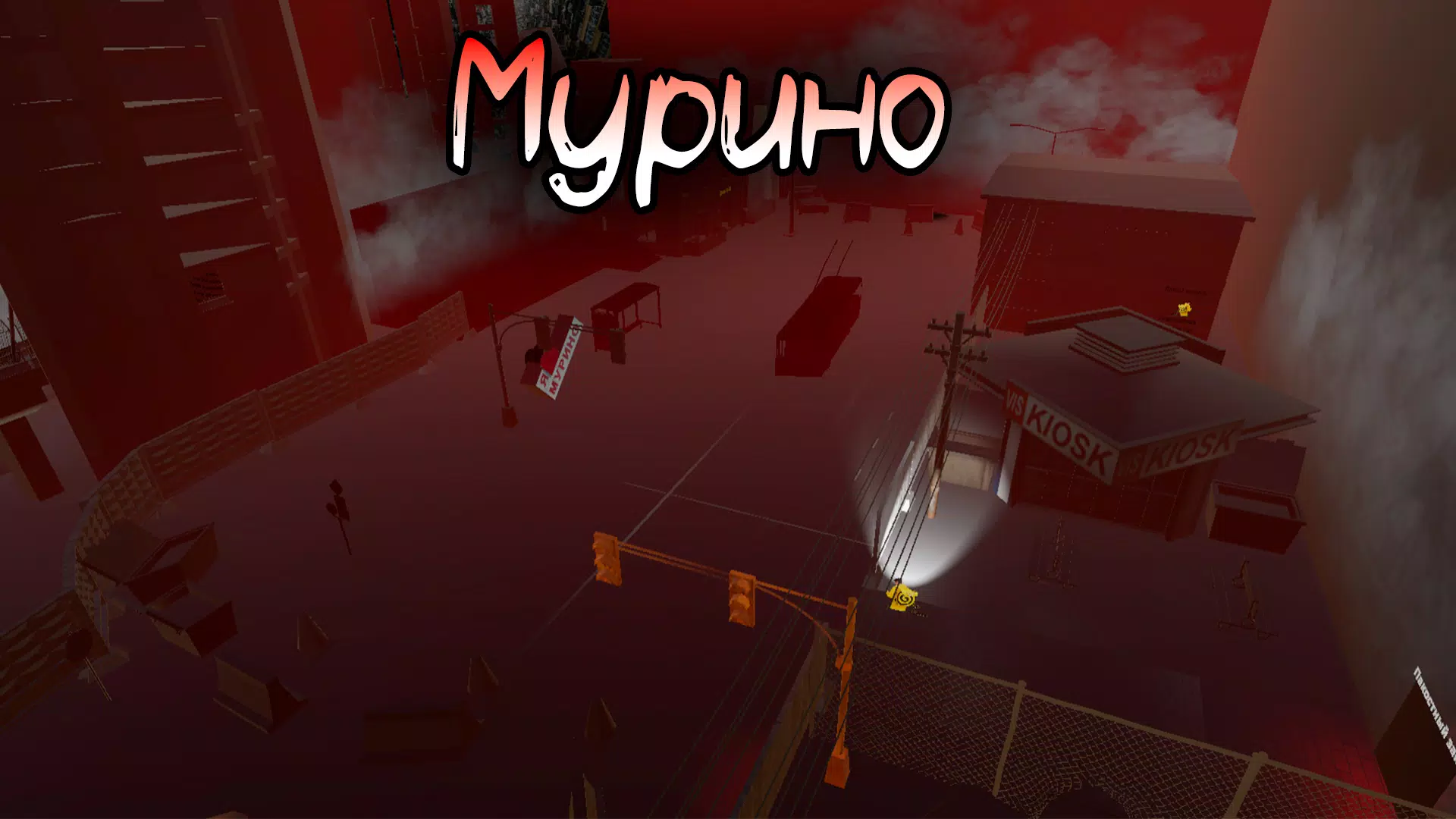
Murino drops players into an anomalous vertical zone where building heights defy comprehension and the usual laws of physics, logic and morality break down. In Murino you play as a courier given a single, mysterious delivery to an impossibly high apartment—numbered 69 with the fuller address written as 52.69—while navigating floors that grow stranger and more dangerous the higher you climb. The opening sequence establishes the tone: odd architecture, uneasy humor, and encounters that force you to weigh whether you complete the delivery or find a way out of the tower altogether.
The core gameplay in Murino blends exploration, environmental puzzle-solving, and tense stealth or avoidance when mutant encounters spike. Movement is intentionally tactile and responsive: you walk, sprint, crouch and use context-sensitive interactions to open doors, search rooms and operate devices. Climbing and vertical traversal are central; ladders, elevators and precarious ledges are common, and the control scheme favors simple taps and swipes or controller-style button mappings depending on your device. Inventory is light and practical, focused on a few key items the courier can carry at once—tools that alter how you approach obstacles or distract hostile forces. No complex crafting or multiplayer systems are introduced: progression depends on your choices and the routes you take through the tower.
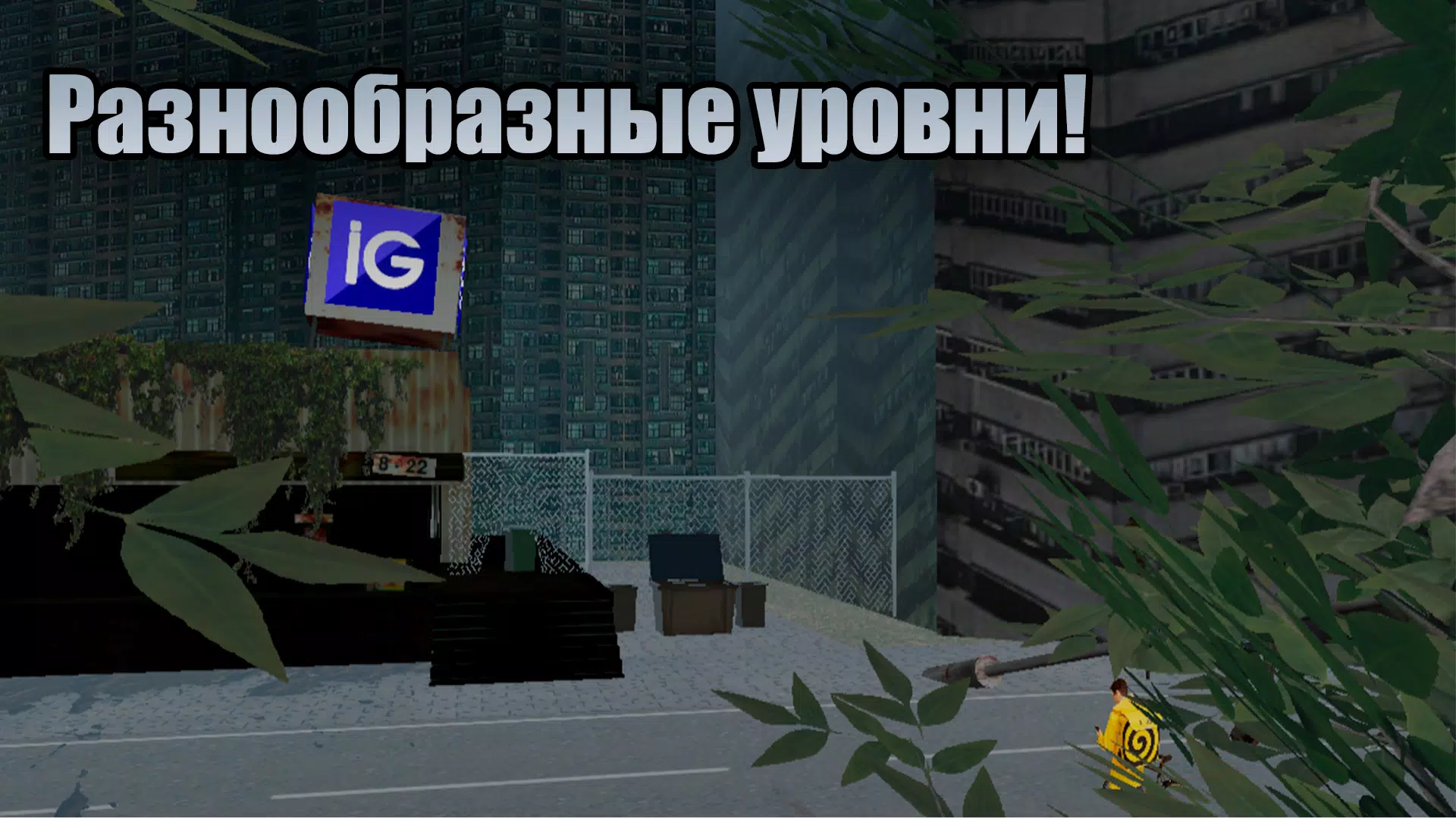
Levels in Murino are organized as stacked floors each with distinct motifs and environmental rules. Early floors act as an introduction, teaching movement and basic interactions, while middle and upper sections introduce escalating hazards and denser mutant presence. The game uses checkpoint-based saves and short rest areas so you rarely lose long stretches of progress, encouraging experimentation with routes and riskier climbs. As you ascend, new mechanics appear that change traversal and choice architecture, forcing you to balance speed, stealth and curiosity when hunting for hidden rooms and Easter eggs.
Murino’s visual design favors surreal verticality and moody lighting rather than bright, conventional realism. Architectural elements stretch and fold in ways that feel both familiar and impossible; textures range from gritty industrial surfaces to strangely domestic, dreamlike apartments. Ambient sound and a minimalist score support the atmosphere, punctuated by character voices and environmental audio cues that help with navigation and immersion. The overall aesthetic reinforces the uneasy humor and occasional dread that underpin the narrative beats.
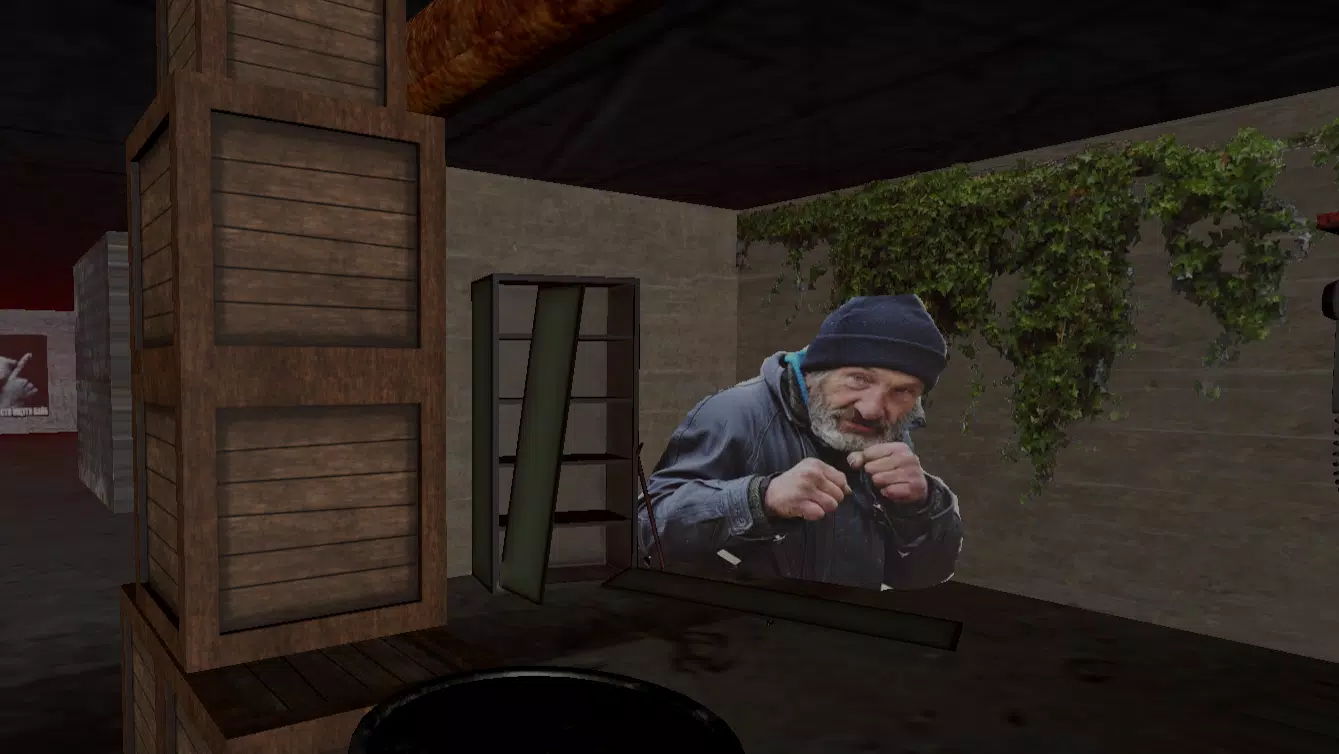
Interacting with memorable characters such as Fog, Drune and Ch shapes your experience and can influence which of the two main endings you reach. Conversations are focused and often ambiguous, leaving room for interpretation rather than spelling everything out. The courier’s mission is simple in appearance but loaded with ethical choices: deliver the package at cost to yourself, or choose escape and alliance with other survivors. These branching outcomes are designed to reward players who explore hidden rooms and piece together clues about the tower’s nature.
Replayability in Murino comes from its layered level design and concealed content. Multiple hidden rooms, references and Easter eggs encourage return visits, and subtle changes in mutant placement and environmental hazards alter how encounters play out on subsequent runs. Customization is modest and practical: you can adjust basic courier gear or visual outfit elements that have small gameplay implications, such as carrying capacity or stealth modifiers. The game avoids pay-to-win mechanics and keeps progression tied to exploration and choices rather than in-app purchases.
Difficulty in Murino scales with floor height through increased mutant density and environmental complexity. Challenges emphasize resource management, route planning and situational decision-making rather than twitch reflexes alone. Accessibility options include remappable controls, adjustable difficulty and subtitle support for dialogue and ambient cues. These settings help the game remain approachable for a wide range of players while preserving the intended tension and atmosphere.
Murino is designed primarily for local play and does not require an online connection to experience the full story. The game includes performance options to optimize battery usage and visual fidelity across devices, and quick-save checkpoints reduce frustration on longer climbs. Whether played in short bursts or extended sessions, the balance of exploration, tension and discovery makes Murino suited to players who enjoy atmospheric, character-driven puzzles with a surreal edge.





Ultimate Bear Adventure Super
Size:143.30M ShootingMurino
Size:456.80M ShootingPizzaBoy Run
Size:12.10M ShootingGrisaia Phantom Trigger Vol.6
Size:3481.60M ShootingFurious Birds : Hero Saga
Size:26.80M ShootingDoctor X demo
Size:7.50M ShootingUS Police Car Escape Chase
Size:147.00M ShootingLost Flowers
Size:39.20M ShootingPixel Dash Art
Size:8.70M Shooting超自然行動組
Size:935.20M ShootingStar Forge
Size:474.50M ShootingObby Climb Jump Tower Game
Size:144.20M ShootingApril 2024 Clash of Clans Update: Unveiling a Fresh Companion, Enhanced Levels, Chat Tagging, and Be
2024-04-16Arrival of Genshin Impact 4.6 Update: 'Embers of Two Realms, Twilight of Crimson'
2024-04-16V2.2 of the Farlight 84 update introduces an overhauled Season structure, fresh in-game currency, an
2024-04-16Monster Never Cry is now accessible on both Android and iOS mobile devices.
2024-04-18PUBG Mobile Teams Up with Bentley Motors: Luxury Cars, Exclusive Collectibles, and Beyond
2024-04-18March 2024 Free Redemption Codes for Honkai: Star Rail
2024-04-18